The Perfect Beef Chuck Eye Steak Guide: 7 Steps to Mastering the “Poor Man’s Ribeye”
Table of Contents
Introduction
If you are a lover of red meat, you likely dream of Ribeyes and Filet Mignons. However, your wallet probably prefers something a bit more modest. Enter the beef chuck eye steak. Often hailed as the “Poor Man’s Ribeye,” this hidden gem of the butcher counter offers an incredible balance of intense beefy flavor and tenderness at a fraction of the cost of premium cuts.
In this comprehensive guide, we are going to explore everything you need to know about this cut. From understanding its anatomy to mastering chuck steak recipes, we will ensure you never look at the chuck primal the same way again. Whether you are looking for a beef chuck eye steak recipe for the grill or want to know how to cook chuck steak in oven, we have you covered.
1. What is Chuck Eye Steak?
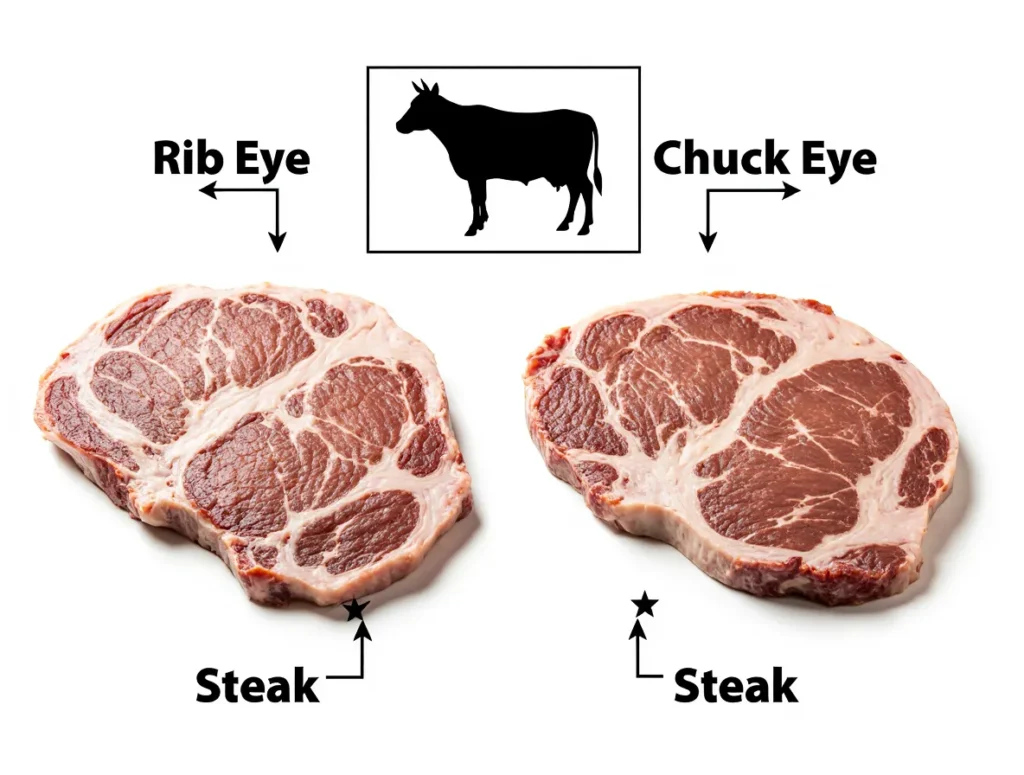
To understand why the beef chuck eye steak is so special, we have to look at where it comes from. Most people are familiar with chuck meat as tough, connective-tissue-heavy beef used for pot roasts and stews. So, what is chuck steak in the context of a tender dinner?
The chuck eye is the continuation of the Ribeye muscle (the Longissimus dorsi) as it extends into the shoulder (chuck) area. Specifically, the chuck eye steak comes from the fifth rib, right next to where the Ribeye begins at the sixth rib. Because it is anatomically the same muscle as the Ribeye, it shares many of the same characteristics: heavy marbling and rich flavor.
However, because it is technically part of the chuck primal, it is sold as chuck beef steak or chuck steaks, making it significantly cheaper. It is sometimes labeled as chuck eye roll, boneless chuck steak, or chuck ribeye. It is distinct from the chuck roll steak or chuck shoulder steak, which can be tougher and require different cooking methods.
The chuck eye is a transitional cut. It has the tenderness of a ribeye but the deep, beefy complexity of a chuck roast steak recipe. This makes it the ultimate value cut for savvy home cooks.
2. Buying the Best Beef Chuck Eye Steak
Finding a beef chuck eye steak can be a treasure hunt. Because there are only two chuck eyes per cow, they tend to sell out fast. Here is how to identify and buy the best one.
Look for the Label
Butchers may label this cut differently. Look for:
- Chuck eye steaks
- Boneless beef chuck steak
- Chuck eye roll steak
- Eye of chuck
Do not confuse this with a “Chuck Steak” or “7-Bone Steak.” A generic chuck steak usually includes the blade bone and several different muscles, some of which are tough. You specifically want the chuck eye.
Marbling Matters
The secret to a tender beef chuck steak is fat. You want speckles of white fat (intramuscular fat) distributed throughout the red meat. If you can find a CAB steak (Certified Angus Beef), grab it. The rigorous standards of CAB ensure higher marbling, which translates to a juicier steak.
The Appearance
A good chuckeye steak should look remarkably like a Ribeye, perhaps just slightly less uniform in shape. It should be a vibrant cherry red. If you see a large kernel of fat in the middle, that is the kernel fat, which renders down beautifully during cooking chuck steak.
3. The Science of Chuck Meat: Flavor vs. Texture
When discussing beef chuck steak recipes, it is vital to understand the science of the muscle. The chuck primal is a working muscle group. The cow uses its shoulder to walk and graze. This means chuck meat generally contains more collagen and connective tissue than loin cuts.
However, the beef chuck eye steak is an exception because it is tucked deep within the ribs, meaning it does not do as much heavy lifting as the rest of the shoulder.
Collagen Breakdown
While the chuck eye is tender, it is not quite as tender as a Filet Mignon. It benefits from heat that renders fat. When you ask how to cook chuck eye, the answer almost always involves high heat to sear, followed by a controlled internal temperature to prevent the muscle fibers from seizing up.
If you are dealing with a standard chuck steak recipe (not the eye), you might need wet heat (braising). But for the beef chuck eye steak, dry heat is perfect, provided you don’t overcook it.
4. Preparation: How to Prepare Chuck Steak for Cooking
Before we dive into how do i cook a chuck steak, we must prepare the canvas. The way you prep your beef chuck blade steak or chuck eye determines 80% of the final quality.
Salting (Dry Brining)
The absolute best way regarding how to prepare chuck steak is dry brining.
- Remove the chuck eye steaks from the packaging.
- Pat them completely dry with paper towels.
- Generously coat all sides with Kosher salt.
- Place them on a wire rack in the fridge for at least 45 minutes, or up to 24 hours.
This process draws out moisture, dissolves the salt, and then reabsorbs the seasoned brine back into the meat. It breaks down proteins, making the boneless beef chuck steak recipes you use turn out far more tender.
Tempering
Never cook a cold steak. Let your beef chuck eye steak sit on the counter for 30 to 60 minutes before cooking. This ensures even cooking from edge to center.
Marinades vs. Rubs
Because the beef chuck eye steak has such a rich flavor, you don’t need a marinade. A simple salt and pepper rub often suffices. However, if you are using a generic boneless chuck steak that might be tougher, an acidic marinade (using lemon juice, vinegar, or yogurt) can help tenderize the fibers.
5. Master Class: How to Cook Chuck Eye Steak (4 Methods)
Here is the core of our guide. We will answer how do i cook beef chuck steak using four distinct methods.
Method A: The Cast Iron Pan Sear (Stove)
If you are wondering how to cook chuck steak on stove, this is the gold standard.
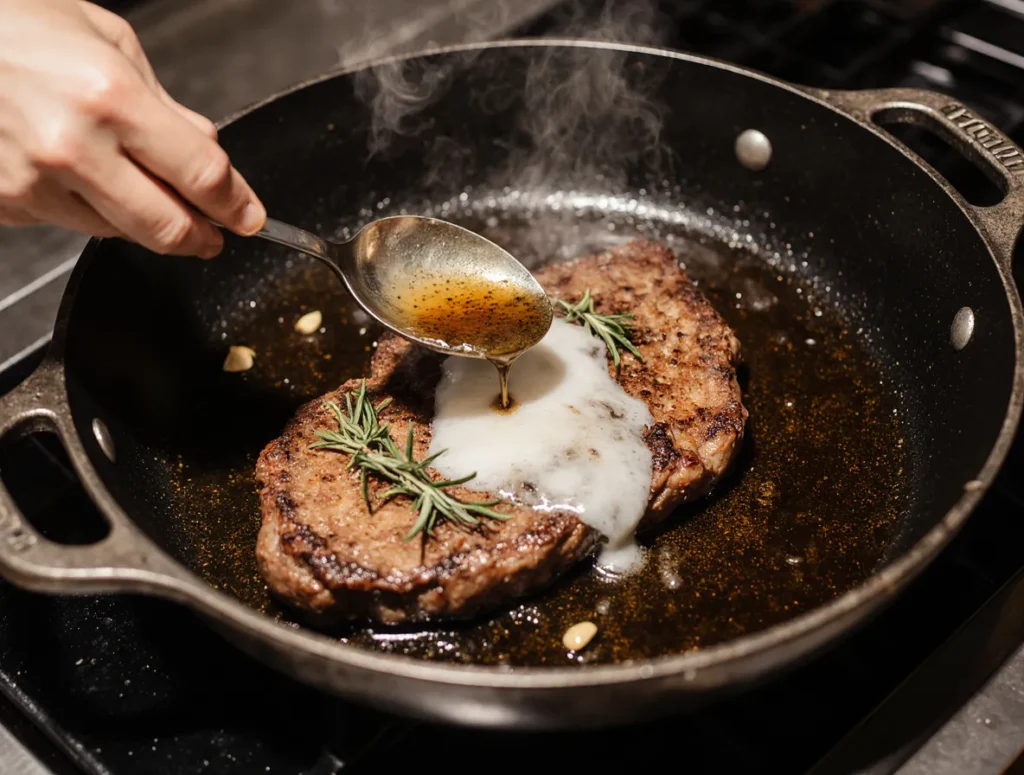
- Heat the Pan: Place a cast-iron skillet over high heat. Add a high-smoke-point oil (avocado or grapeseed).
- Sear: When the oil shimmers, carefully place your chuck eye steaks in the pan. Do not crowd them.
- Crust: Sear undisturbed for 2-3 minutes until a deep brown crust forms. Flip.
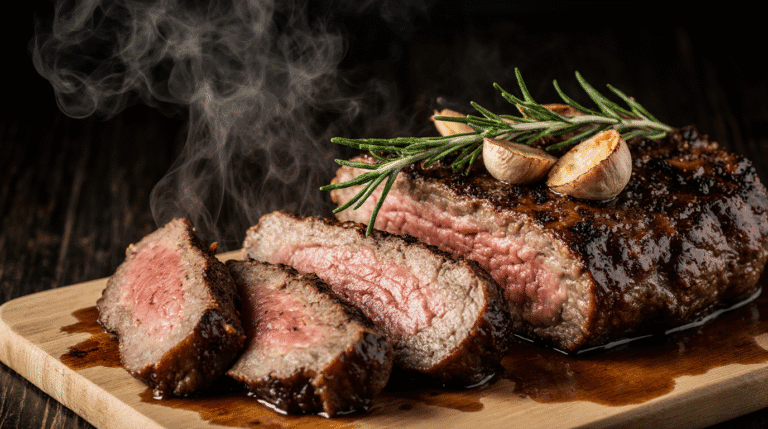
- Baste: This is the secret to a great beef chuck eye steak recipe. Add 2 tablespoons of butter, 2 cloves of smashed garlic, and a sprig of rosemary. Tilt the pan and spoon the foaming butter over the steak.
- Finish: Cook to an internal temperature of 130°F (for medium-rare).
- Rest: Let it rest for 10 minutes.
Method B: The Reverse Sear (Oven + Stove)
This answers how to cook chuck steak in oven while ensuring a perfect edge-to-edge pink center. This is ideal for thicker cuts or a chuck eye roast cut into steaks.
- Bake: Preheat oven to 225°F (107°C). Place seasoned steaks on a wire rack.
- Slow Cook: This addresses how to bake a chuck steak gently. Cook until the internal temperature reaches 115°F. This takes about 45-60 minutes.
- Sear: Remove from the oven. Heat a skillet to screaming hot. Sear the steaks for 45 seconds per side just to crust the outside.
- Serve: This is often considered the best way regarding how to cook chuck rib eye steak.
Method C: Grilled Chuck Eye (The Summer Classic)
Chuck steak recipes for the grill are fantastic because the smoke complements the beefiness.
- Zone Setup: Set up your grill with two zones: direct heat (high) and indirect heat (low).
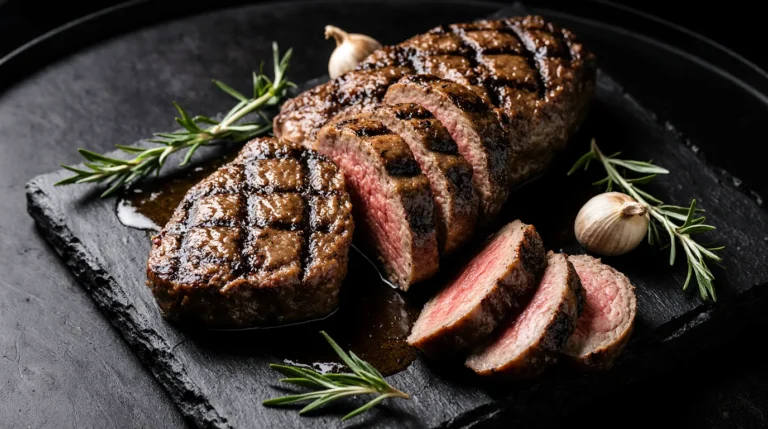
- Sear: Place the beef chuck eye steak on the direct heat side. Sear for 2 minutes per side to get grill marks.
- Finish Indirect: Move the steaks to the cooler side. Close the lid.
- Monitor: Pull the steaks when they hit 135°F for a perfect medium.
Method D: Sous Vide (The Foolproof Method)
If you are worried about beef chuck steak how to cook without toughness, sous vide is the answer. It involves cooking the steak in a water bath at a precise temperature for a long time.
- Seal: Vacuum seal the chuck eye with aromatics.
- Bath: Set water to 131°F.
- Time: Cook for 4 to 24 hours. Long cook times turn even a tough chuck roll steak into butter.
- Sear: Finish with a quick sear in a hot pan.
6. Delectable Beef Chuck Steak Recipes
Now that you have the techniques, let’s look at three specific beef chuck steak recipes that highlight the versatility of this cut.
Recipe 1: Garlic Butter Herb “Poor Man’s Ribeye”
This is the quintessential chuck eye steak recipe.
- Ingredients: 2 chuck eye steaks, Kosher salt, black pepper, 3 tbsp butter, 3 cloves garlic, fresh thyme.
- Instructions: Follow the Cast Iron Pan Sear method above. The key here is the butter baste. The thyme infuses the fat, which penetrates the beef chuck eye. This dish mimics a high-end steakhouse experience for a quarter of the price.
Recipe 2: Marinated Asian Style Chuck Steaks
This is a great chuck steak recipe if your cut has a bit less marbling.
- Marinade: 1/4 cup soy sauce, 1 tbsp sesame oil, 1 tbsp grated ginger, 1 tbsp brown sugar, 2 cloves minced garlic.
- Instructions: Place beef chuck steak in a bag with the marinade for 4 hours. Remove, pat dry (crucial for searing), and grill over high heat. The sugar in the marinade creates a beautiful char, making this one of the most flavorful chuck roast steak recipes.
Recipe 3: Slow-Roasted Beef Chuck Eye Roast
Sometimes you find the whole muscle sold as a beef chuck eye roast. Do not cut it into steaks; roast it whole!
- Ingredients: 3lb chuck eye roast, onion powder, garlic powder, salt, pepper, olive oil.
- Instructions: rub the roast with oil and spices. Roast at 325°F until the internal temp reaches 135°F. Slice thin. This is a superior version of roast beef compared to a standard round roast.
7. Sides and Pairings
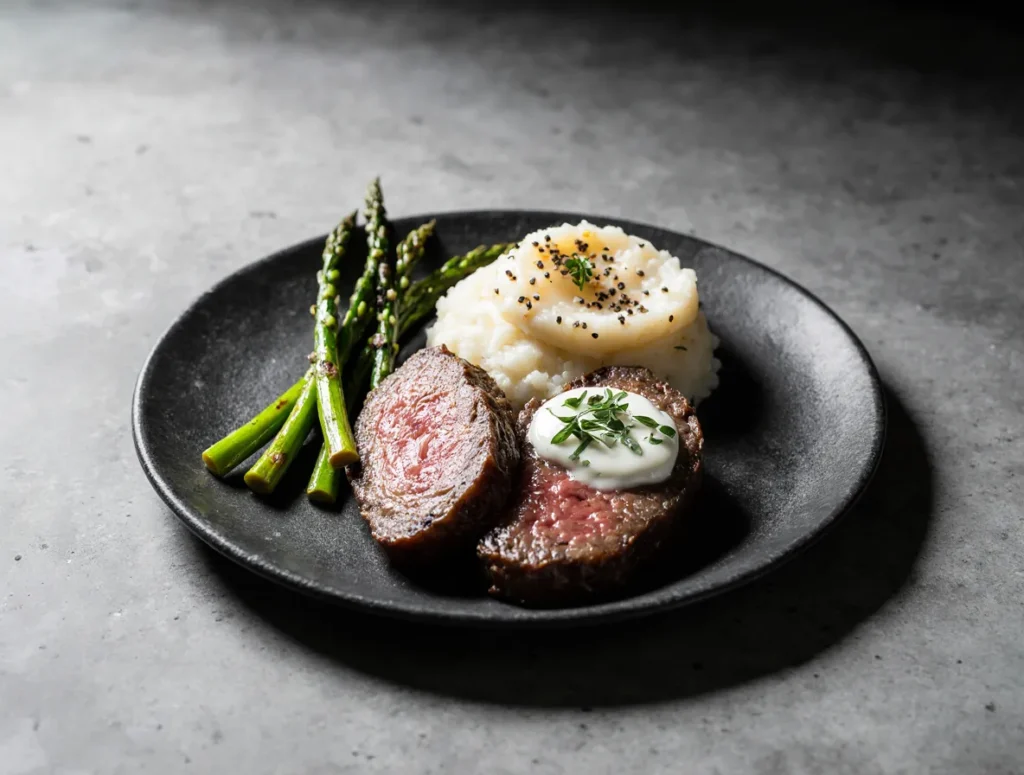
You have mastered the beef chuck eye steak, but a steak is only as good as its company. Because chuck steaks are rich and fatty, they need sides that cut through the richness.
- Acidic Salads: Arugula salad with lemon vinaigrette.
- Potatoes: Garlic mashed potatoes or roasted fingerlings are classic boneless beef chuck steak recipes companions.
- Vegetables: Grilled asparagus or charred Brussels sprouts.
If you are planning a week of cooking and want to switch proteins after enjoying your beef, it is always good to have variety. For lighter options later in the week, you might want to explore some poultry dishes. You can find excellent inspiration at My Chicken Recipes to balance out your red meat consumption.
8. Frequently Asked Questions
To make this the most complete guide on the web, let’s answer some specific questions about beef chuck steak.
What is the difference between Chuck Eye and Ribeye?
The Ribeye comes from ribs 6-12, while the chuck eye comes from rib 5. The Ribeye is generally more tender and uniform, but the chuck eye has very similar flavor. The biggest difference is price; the chuck eye is significantly cheaper.
Can I use a Chuck Roast recipe for Chuck Eye Steak?
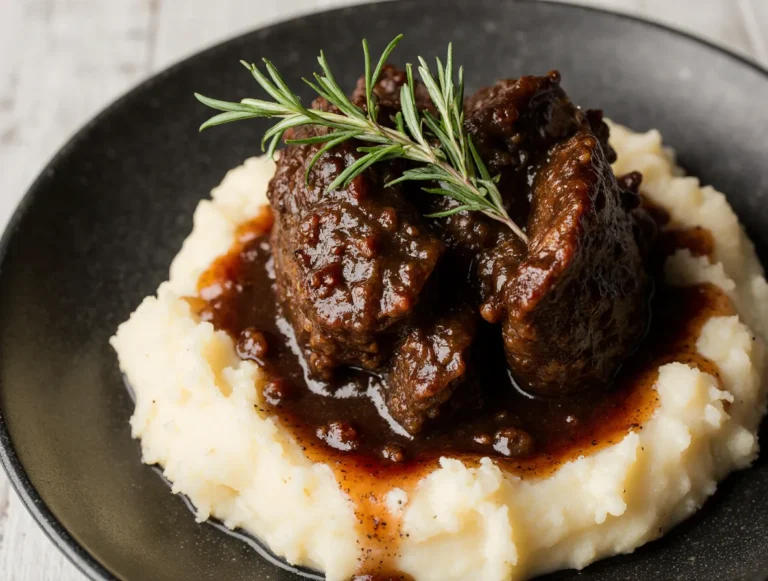
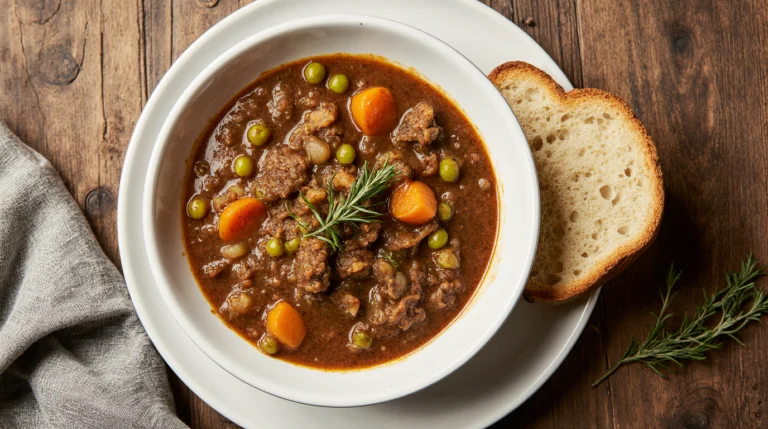
Generally, no. Chuck roast steak recipes usually involve braising (pot roast) because standard chuck is tough. Chuck eye steaks are tender enough to grill or sear. If you braise a chuck eye, you are wasting a premium-tasting cut on a stew.
How do I cook a chuck steak if it’s not a “Chuck Eye”?
If you have a standard beef shoulder steak recipe or a generic chuck beef steak, you should use a marinade (enzyme-based like pineapple or acidic like vinegar) and cook it to medium rather than medium-rare to help break down the collagen, or braise it in liquid.
Is Chuck Eye the same as Chuck Roll?
No. The chuck eye roll is the larger sub-primal that contains the chuck eye, but also other muscles that are tougher. If you buy a whole beef chuck eye roll, you will need to butcher it to separate the tender steaks from the tough roast meat.
Why is it called “Poor Man’s Ribeye”?
The term poor man’s ribeye refers to the chuck eye steak because it offers the ribeye experience—rich marbling, tender texture, and beefy flavor—at a budget-friendly price point.
How to cook chuck eye steak to ensure it isn’t chewy?
To ensure your beef chuck eye steak isn’t chewy, do not overcook it. Aim for Medium-Rare (130°F-135°F). Anything over Medium (145°F) causes the muscle fibers to tighten and squeeze out juices, resulting in a tough steak. Also, always slice against the grain.
What is a CAB Steak?
CAB steak stands for Certified Angus Beef. It is a brand that grades beef based on quality, primarily marbling. A CAB chuck eye will almost certainly be better than a USDA Select or standard Choice cut.
How do I cook a chuck steak using a tenderizer?
If you are worried about tenderness, you can use a mechanical jacquard tenderizer (the tool with many small needles) on your chuck steaks. This physically severs the long muscle fibers, making the chew much softer.
What is the best internal temperature for beef chuck eye steak?
- Rare: 125°F
- Medium-Rare: 130°F – 135°F (Recommended)
- Medium: 140°F – 145°F
- Well Done: 160°F+ (Not recommended for chuck eye)
Conclusion
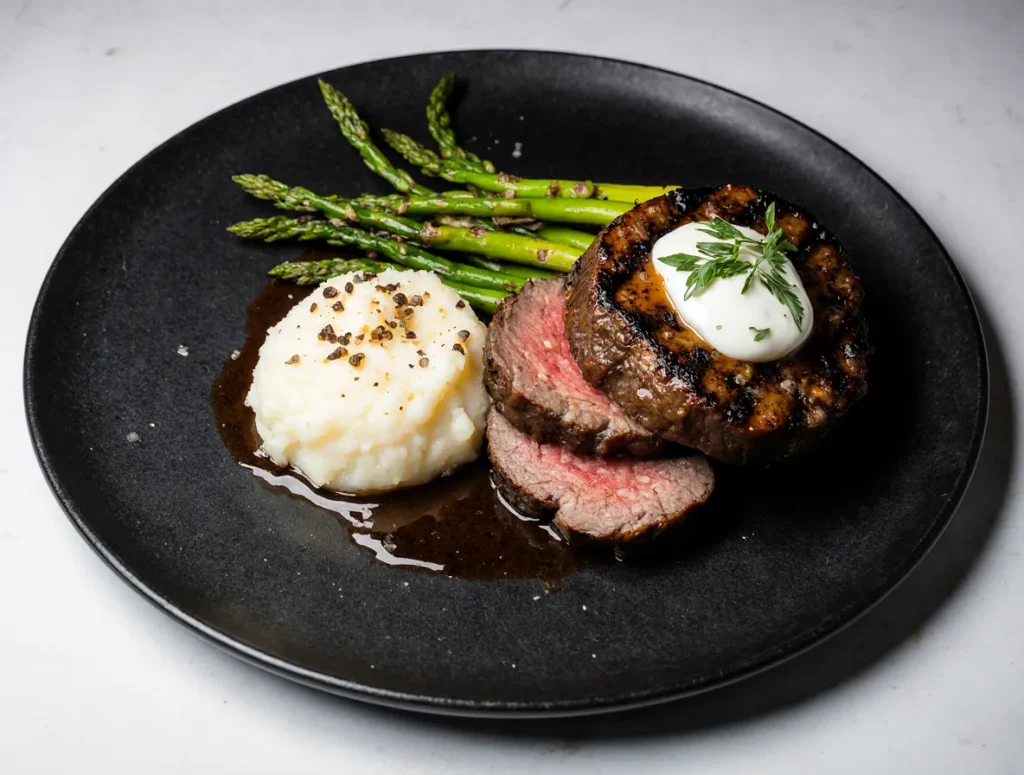
The beef chuck eye steak is truly the unsung hero of the butcher block. It allows you to enjoy the decadence of a ribeye dinner on a burger budget. By selecting the right cut, preparing it with a simple dry brine, and using high-heat cooking methods like pan-searing or grilling, you can transform this humble piece of meat into a culinary masterpiece.
Whether you are trying a new chuck eye recipe or experimenting with beef chuck steak recipes for the first time, remember that respect for the ingredient is key. Don’t overcook it, let it rest, and slice it right.
Now that you are armed with knowledge on how to cook chuck eye, it is time to head to the butcher. Look for that hidden gem next to the ribeyes, fire up the skillet, and enjoy the best-kept secret in the world of beef.
Ready to cook? Pin these chuck steak recipes for later or share this guide with a fellow carnivore who needs to know about the chuck eye steak!