The Perfect Reverse Sear Filet Mignon: 7 Steps to Steakhouse Mastery
Table of Contents
Introduction
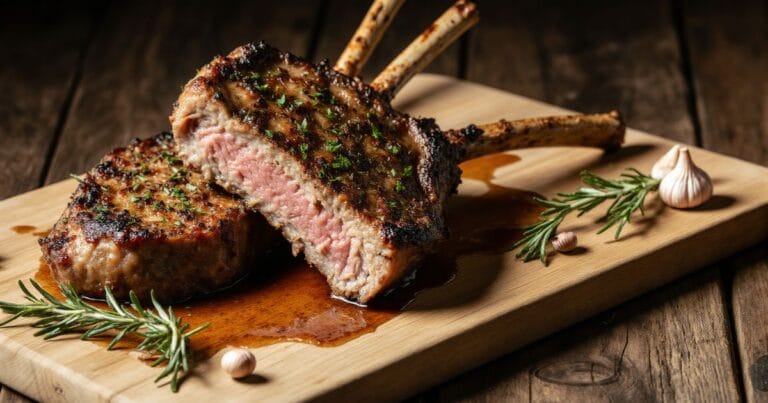
There is a moment of pure culinary anxiety that every home cook knows: cutting into an expensive piece of beef. You spent good money on that cut, and the fear of a grey, overcooked interior is real. If you are looking for the holy grail of steak cookery, you have found it. Today, we are mastering the reverse sear filet mignon.
The filet mignon is the crown jewel of the butcher shop. It is prized for its buttery texture and extreme tenderness. However, because it lacks the heavy marbling of a ribeye or strip, it is unforgiving. One minute too long in a hot pan, and it’s ruined. This is why the reverse sear method isn’t just a suggestion; it is a necessity.
In this ultimate guide, we will cover everything from the science of heat to the exact reverse sear steak temp you need for that wall-to-wall pink center. Whether you are using an oven, a grill, or a smoker, this is the only guide you will ever need.
What is Reverse Searing? The Science of the Perfect Steaks
Before we fire up the oven, we need to understand the methodology. How to reverse sear a steak is a question that has changed modern cooking. Traditionally, restaurants would sear a steak hard in a pan first to “lock in juices” (a myth, by the way) and then finish it in the oven.
The reverse sear steak method flips this script. You cook the steak gently at a low temperature first, bringing the internal temperature up slowly. Once the steak is cooked to your desired doneness, you finish it with a blazing hot sear for just 60 seconds per side.
Why does this work better?
- Even Cooking: By cooking low and slow, you avoid the “bullseye” effect—where the outside is grey, the middle is pink, and the center is raw. An oven reverse sear steak is pink from edge to edge.
- Moisture Retention: High heat shocks muscle fibers, squeezing out moisture. Gentle heat preserves the juice.
- Better Crust: The slow oven time dries out the surface of the meat. A dry surface sears instantly when it hits the pan, giving you a better Maillard reaction (browning) without overcooking the inside.
Choosing Your Meat: The Filet Mignon
While many people look for a reverse sear ribeye steak because of its high fat content, the filet mignon benefits most from this technique. The filet comes from the tenderloin, a muscle that does very little work, making it incredibly soft.
When buying your filet for a reverse sear filet mignon recipe, look for:
- Thickness: You need a thick cut. Ideally, 1.5 to 2 inches thick. If the steak is thin, the reverse sear won’t work because the searing phase will cook the inside too quickly.
- Color: Bright cherry red.
- Marbling: While leaner than other cuts, look for small flecks of white fat within the muscle.
Pro Tip: If you are cooking on a budget or for a crowd and want to practice temperature control on poultry before investing in premium beef, check out our friends atMy Chicken Recipesfor excellent technique guides on lighter proteins.
Equipment Needed for Success
To execute a filet mignon reverse sear, you don’t need a professional kitchen, but you do need specific tools.
- Digital Meat Thermometer: This is non-negotiable. You cannot judge a reverse sear filet mignon by touch. You need precision.
- Wire Rack and Baking Sheet: Essential for airflow. You want hot air to circulate around the entire steak.
- Cast Iron Skillet: For the final sear. Stainless steel works, but cast iron retains heat best.
The Ultimate Reverse Sear Filet Mignon Recipe
Here is the step-by-step masterclass. We will discuss how to reverse sear filet mignon to perfection.
Ingredients
- 2 Filet Mignon Steaks (2 inches thick)
- Kosher Salt (coarse)
- Freshly cracked black pepper
- 2 tbsp High smoke point oil (Avocado or Grapeseed)
- 2 tbsp Unsalted butter
- 3 sprigs Fresh Thyme or Rosemary
- 2 cloves Garlic, smashed
Step 1: The Dry Brine (The Secret Weapon)
The journey to a reverse seared filet mignon starts well before you cook. Remove your steaks from the fridge 1 to 24 hours before cooking. Pat them bone-dry with paper towels. Season liberally with Kosher salt on all sides.
Place them on a wire rack uncovered in the fridge. This dries the surface (crucial for the sear later) and allows the salt to penetrate deep into the meat, seasoning it throughout.
Step 2: The Low and Slow Bake
Preheat your oven. The ideal temperature is between 225°F and 250°F (107°C – 120°C).
Place the baking sheet with the wire rack and steaks into the center of the oven.
How long to reverse sear filet mignon?
This depends entirely on thickness, but generally:
- Rare: 45-55 minutes
- Medium-Rare: 55-65 minutes
This creates the reverse sear filet mignon in oven environment that gently brings the protein up to temp.
Step 3: Monitoring the Reverse Sear Steak Temp
This is the most critical step. You must pull the steak from the oven before it hits your target eating temperature. The searing phase will add a few degrees.
Target Pull Temperatures:
- Rare (Cool Red Center): Pull at 115°F
- Medium-Rare (Warm Red Center): Pull at 120°F – 125°F
- Medium (Warm Pink Center): Pull at 130°F

Note: Many guides focus on reverse sear ribeye steak, but remember that filet has less fat insulation, so it heats up slightly faster. Watch your thermometer.
Step 4: The Rest (Or Lack Thereof)
One of the unique benefits when learning how to reverse sear a steak is that you do not necessarily need to rest the meat after the sear like you do with traditional grilling. Because you cooked it gently, the juices are already stable. However, resting it for 10 minutes between the oven and the hot pan helps cool the surface, allowing you to sear longer for a better crust without cooking the interior.
Step 5: The Blaze
Heat your cast iron skillet over high heat until it is smoking. Add your high smoke point oil.
Place the reverse sear filet mignon steak into the pan.
Sear for 45 to 60 seconds per side. Do not walk away. You want a deep brown crust, not black char.
Step 6: The Butter Baste

In the last 30 seconds of searing, drop the heat to medium-high. Toss in the butter, garlic, and herbs. Tilt the pan and spoon that foaming hot butter over the steak. This adds the nuttiness and luxury associated with a filet mignon reverse sear recipe.
Step 7: Slice and Serve
Transfer to a board or warm plate. Because the internal temperature is uniform, you can slice and serve immediately.
Detailed Temperature Guide: Doneness Charts
Success relies on hitting the right reverse sear steak temp. Here is a detailed breakdown for precision.
| Doneness | Description | Pull from Oven Temp (°F) | Final Seared Temp (°F) |
| Blue Rare | Seared outside, completely red cool center | 105°F | 115°F |
| Rare | Red center, soft texture | 115°F | 125°F |
| Medium-Rare | The Gold Standard. Red/Pink warm center | 125°F | 135°F |
| Medium | Pink throughout, firmer | 135°F | 145°F |
| Medium-Well | Slight pink line, mostly grey | 145°F | 155°F |
Warning: The USDA recommends 145°F for safety, but most steak enthusiasts prefer the texture of 130°F-135°F.
Oven vs. Grill vs. Traeger: Variations on a Theme
While the reverse sear filet mignon oven method is the most accessible, you can adapt this technique to outdoor cooking.
The Traeger / Smoker Method
For those who love a smoky flavor profile, the reverse seared filet mignon traeger method is incredible.
- Set your Traeger to “Super Smoke” or 225°F.
- Follow the same temperature guides as the oven.
- The smoke ring adds a visual appeal and depth of flavor that an oven reverse sear steak cannot replicate.
- Remove the steak when it hits 120°F (for medium-rare).
- Sear it on a scorching hot grill grate or a cast iron pan placed inside the smoker (if it gets hot enough) or on your stovetop.
The Charcoal Grill Method
To reverse sear filet mignon grill style, you need a two-zone fire.
- Bank all your coals to one side.
- Place the steak on the “cool” side (indirect heat). cover the grill.
- Once the steak hits the target temp, move it directly over the hot coals to sear.
Why The Reverse Sear is Superior for Filet Mignon
We mentioned earlier that the reverse sear ribeye steak is popular, but let’s dive into why the filet is the true beneficiary of this technique.
Filet Mignon has very little intramuscular fat. Fat is an insulator; it protects meat from drying out. Because the filet is lean, high heat penetrates it rapidly. If you try to pan-sear a 2-inch filet from raw, the outer 1/2 inch will be grey, dry, and overcooked by the time the center is warm.
When you reverse sear a filet mignon, you are essentially sous-vide cooking it with air. You are respecting the delicate nature of the meat. This ensures that every bite, from the edge to the center, has that signature “butter-knife soft” texture.
Troubleshooting: Common Mistakes to Avoid
Even when you know how to reverse sear a steak, things can go wrong. Here is how to fix them.
1. The Grey Band
The Problem: You cut into your steak and there is a thick grey band of overcooked meat around the edge.
The Fix: You seared it too long or your pan wasn’t hot enough. If the pan isn’t screaming hot, the steak sits there “baking” while you wait for a crust. Ensure your oil is smoking before the meat touches it. Also, cooling the steak for 10 minutes after the oven phase helps prevent this.
2. No Crust
The Problem: The steak looks pale and unappetizing.
The Fix: The surface wasn’t dry. Moisture is the enemy of the sear. If you didn’t dry brine overnight, make sure you pat the steak exceptionally dry with paper towels before the reverse sear filet mignon oven time begins, and again before it hits the pan.
3. Overcooked Center
The Problem: You wanted medium-rare but got medium-well.
The Fix: You trusted the clock, not the thermometer. “45 minutes” is a guideline, not a rule. Ovens vary. Steaks vary. Trust your probe thermometer. Also, remember carry-over cooking. The temperature will rise 5-10 degrees while searing.
Serving Suggestions and Pairings
You have mastered the reverse sear filet mignon recipe, now what do you serve with it? Since the filet is lean, you can afford richer sides.
- Sides: Creamed spinach, Dauphinoise potatoes, or roasted asparagus with hollandaise.
- Sauces: While a perfectly reverse seared filet mignon needs no sauce, a Red Wine Reduction or a Béarnaise sauce elevates it to luxury status.
- Wine: Cabernet Sauvignon or a bold Merlot. The tannins cut through the richness of the butter baste.
Frequently Asked Questions (FAQ)
Here we address specific queries to ensure you have total confidence.
How long to reverse sear filet mignon in the oven?
At 225°F, a 2-inch steak typically takes about 45 to 60 minutes to reach 125°F. However, always cook to temperature, not time. If your oven runs hot, it could be done in 35 minutes.
Can I use this method for other cuts?
Absolutely. While we are focusing on filet, learning how to reverse sear a steak applies to Ribeyes, NY Strips, and Porterhouses. The thicker the steak, the better the result. Thin steaks (under 1 inch) are not suitable for this method as they cook too fast.
Is reverse sear filet mignon traeger better than the oven?
“Better” is subjective. The Traeger adds a smoke flavor profile (hickory or mesquite) that is delicious. The oven is more neutral, allowing the beef flavor to stand out. Both methods use the same physics of indirect heat.
Do I really need a wire rack?
Yes. If you place the steak directly on a baking sheet, the bottom will cook faster than the top due to contact with the hot metal. For an even reverse sear filet mignon, air needs to circulate underneath.
Advanced Tips for the Home Chef
If you want to take your reverse sear filet mignon to the absolute limit, consider these advanced modifications.
The Mayo Sear
It sounds strange, but brushing a thin layer of mayonnaise on the steak before searing creates an incredible crust. The egg and oil in the mayo brown rapidly and evenly. It does not taste like mayo; it just tastes like a perfect sear.
Compound Butters
Instead of just basting with plain butter, prepare a compound butter with roasted garlic, blue cheese, or truffle oil. Place a slice of this cold butter on the hot steak right before serving.
The Torch Finish
If you own a sous-vide torch or a high-powered kitchen torch, you can use it to touch up the sides of the steak that didn’t hit the pan, ensuring your reverse sear filet mignon steak is beautiful from every angle.
Conclusion: The Steakhouse is Now Your House

Mastering the reverse sear filet mignon is a rite of passage for the home cook. It removes the guesswork and replaces it with science and precision. No longer do you have to fear ruining an expensive cut of meat.
By understanding the importance of the reverse sear steak temp, utilizing the dry brine, and executing a high-heat finish, you can produce results that rival the best steakhouses in the world. Whether you choose the reverse sear filet mignon traeger route for a smoky touch or stick to the classic reverse sear filet mignon oven method, the result is the same: tenderness, flavor, and perfection.
So, go to your butcher, ask for their best thick-cut filets, and fire up that oven. It’s time to eat.