8 Expert Tips for the Perfect Denver Steak: The Ultimate Guide to the Hidden Tenderloin
Table of Contents
Introduction
Every seasoned cook knows the names of the premium cuts: Ribeye, Strip, Filet Mignon. Yet, quietly rising in popularity among chefs and butcher shops is a cut that provides deep, beefy flavor and surprising tenderness—the denver steak. Long considered a secret gem of the butcher’s block, this cut is challenging the notion that the best steaks must come from the loin.
This guide will unlock the secrets of this amazing meat. We will explore what is a denver steak, discuss how to prepare denver steak, and detail the best techniques to ensure your final dish is incredibly tender and flavorful. You’ll master the best approach for every method, whether you’re searching for the ultimate grilling technique or a simple denver steak recipe. Get ready to transform this underdog cut into the star of your next meal.
Part 1: The Butcher’s Secret: Decoding the Denver Cut
The Anatomy and Origin
When asking what is a denver cut steak, the answer lies in the often-overlooked area of the steer: the chuck primal. The chuck, or shoulder, is traditionally tough because it contains hard-working muscles. However, the denver steak cut is an exception. It is meticulously carved from the serratus ventralis muscle, which sits protected deep beneath the shoulder blade.
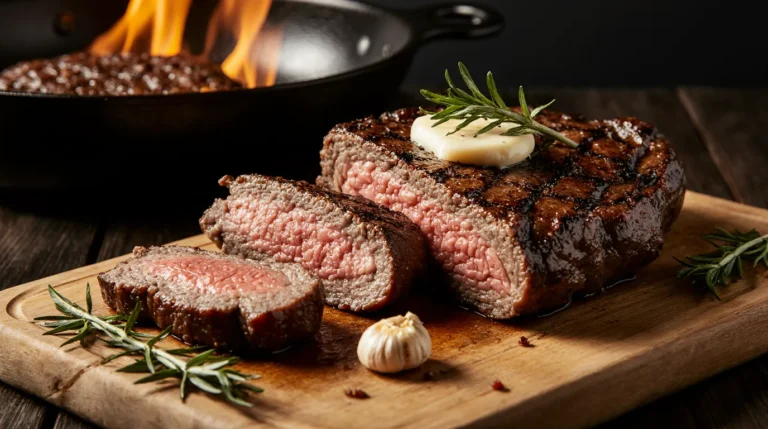
Because this muscle is rarely used for movement, it lacks the tough connective tissue found elsewhere in the shoulder. Furthermore, its location naturally draws significant intramuscular fat—the marbling that delivers flavor and moisture. When properly trimmed by a skilled butcher, this section yields the rectangular, heavily marbled piece of meat known as the denver cut steak. It is one of the top four most tender muscles in the entire steer, a fact that surprises many cooks who associate the chuck with pot roast.
The Modern History of a Classic Flavor
This specific cut, along with others like the Flat Iron, was officially “discovered” and promoted in the 2000s by a joint effort of meat scientists. Their goal was to find ways to maximize value from the chuck primal. This research revealed that, despite coming from the shoulder, this specific muscle was perfect for fast, high-heat cooking. This revolutionary finding fundamentally changed what is a denver steak in the culinary world, reclassifying it from stew meat to a grilling sensation.
Part 2: Buying and Preparing Your Steaks
When you go to the butcher, you will often find these cuts labeled simply as “Underblade Steak” or “Chuck Tender.” Make sure to specifically ask for the denver steaks to ensure you are getting the correct muscle.
What to Look for (The Buying Guide)
- Marbling is Key: The high fat content is the primary benefit of the denver steak cut. Look for intense, white marbling throughout the muscle. This is where the flavor and juiciness come from.
- Thickness: The ideal thickness is between 1 and 1.5 inches. Thin cuts (less than an inch) are difficult to cook correctly on high heat without overcooking the center.
- Grade: Opt for USDA Prime or high-end Choice, as the superior grading directly correlates to better marbling in this specific cut.
Pre-Cooking Rituals
Knowing how to prepare denver steak involves a few crucial steps that ensure maximum tenderness and crust development:
- Temper: Remove the meat from the refrigerator 45 minutes to 1 hour before cooking. A room-temperature steak cooks more evenly.
- Season: Apply coarse salt and fresh pepper liberally. Since the flavor of this beef is so robust, it can handle aggressive seasoning.
- Pat Dry: Use paper towels to ensure the surface is bone-dry. Moisture on the steak will prevent the Maillard reaction (browning) and result in a steamed, gray exterior.
Part 3: Mastering the Cook: High Heat is Essential
This is not a slow-cooker cut. Because of its tenderness and fat content, the best way to enjoy it is quick and hot, often served medium-rare.
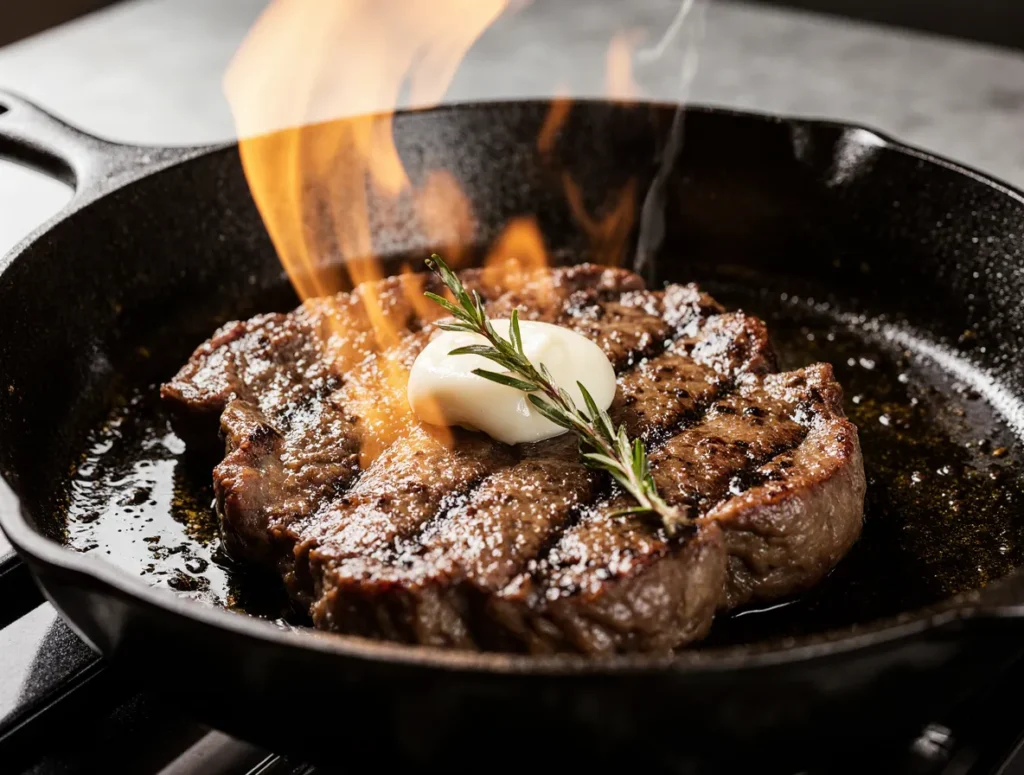
Method 1: Pan-Searing (The Weeknight Champion)
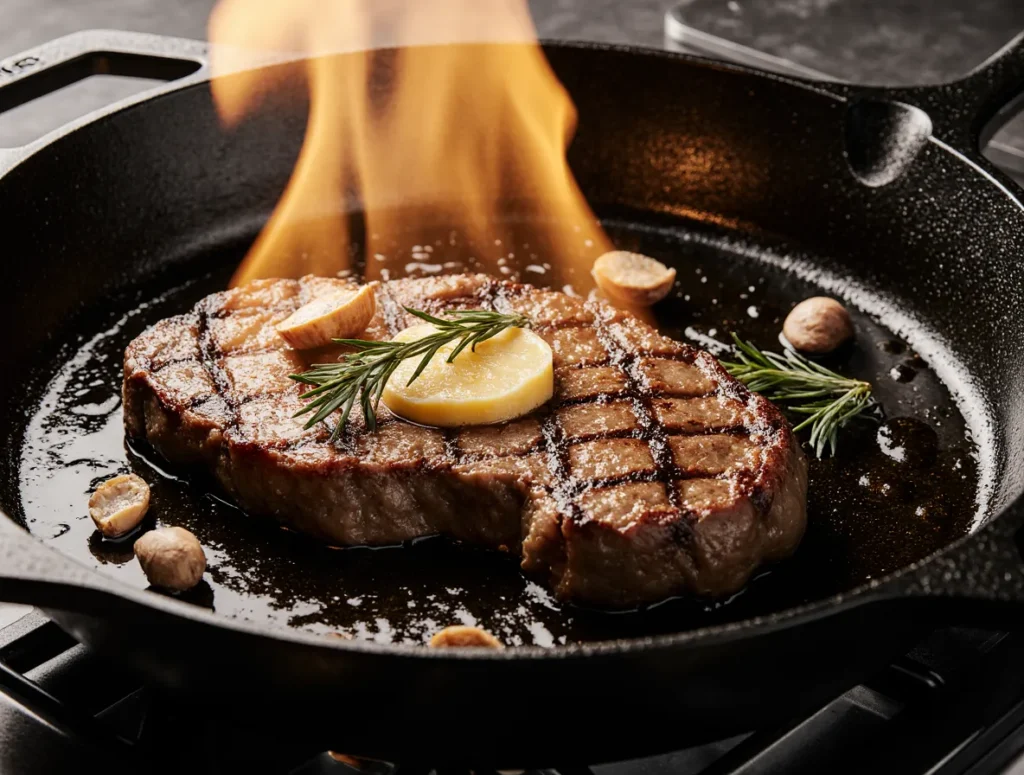
The cast iron skillet is the denver steak’s best friend. It retains heat beautifully, allowing you to achieve a profound, dark crust.
- Heat: Place a heavy cast iron skillet over high heat. Add a high-smoke-point oil (like avocado or grapeseed). Wait until the oil is shimmering and just beginning to smoke.
- Sear: Place the seasoned meat in the hot pan. Do not move it. Sear for 2 to 3 minutes until a thick brown crust forms.
- Flip and Finish: Flip the steak. Reduce the heat slightly. For the final minute, add butter, garlic, and fresh thyme or rosemary. Baste the steak repeatedly with the foaming butter.
- Target Temperature: Remove the steaks when they reach an internal temperature of 125°F for rare or 130°F for medium-rare.
Method 2: Grilling (For Smokey Flavor)
If you are asking how to cook denver steak outdoors, the grill is an excellent option, provided you manage the heat.
- Two-Zone Setup: Set up your grill with one side high heat (direct) and the other side low heat (indirect).
- Direct Sear: Sear the steaks over the direct heat for 90 seconds to 2 minutes per side to build a beautiful char.
- Finish: Move the meat to the indirect side to finish cooking slowly to your desired doneness. This prevents flare-ups from the melting fat that can burn the outside.
Method 3: Reverse Sear (For Thick Cuts)
For steaks thicker than 1.5 inches, the reverse sear guarantees a perfect edge-to-edge medium-rare.
- Low Bake: Bake the steak on a wire rack at 250°F (120°C) until the internal temperature reaches 110°F.
- Sear: Rest the meat for 10 minutes. Then, sear it in a screaming hot cast iron pan for 60 seconds per side until the crust is formed. The final temperature should reach 130°F.
Part 4: Essential Denver Steak Recipes and Flavor Pairings
The deep flavor of the denver steak lends itself to both simple preparations and complex sauces. Here are three methods to get you started.
Recipe 1: Quick Pan-Seared Steak with Shallot Pan Sauce
This denver steak recipe keeps things classic, focusing on the quality of the beef.
- Ingredients: Steaks, shallots, beef broth, dry red wine, butter, herbs.
- Method: After searing and resting the meat, reduce the heat and sauté sliced shallots in the remaining fat. Deglaze the pan with red wine, scrape up the fond (browned bits), and then add beef broth. Reduce until the sauce coats the back of a spoon, then whisk in a knob of cold butter for glossiness. This technique elevates the naturally rich juices into a gourmet sauce.
Recipe 2: Brazilian-Style Grilled Denver Steaks
This is a great option for the summer grill. How to cook denver steaks with a punch of citrus and herbs?
- Ingredients: Steaks, olive oil, lime juice, cilantro, oregano, salt, pepper.
- Method: Marinate the steaks for 30 minutes in the mixture (no longer, as the lime can cure the meat). Grill over high heat for 3-4 minutes per side. This simple preparation highlights the natural beefiness of the cut.
Recipe 3: Coffee and Chili Rubbed Denver Steaks
The intense flavor of this rub matches the intensity of the denver steak cut.
- Ingredients: Steaks, finely ground coffee, smoked paprika, cocoa powder, brown sugar, salt, pepper.
- Method: Combine the rub and coat the steaks thoroughly. Sear or grill immediately. The sugar in the rub ensures a fast, dark caramelization on the exterior. This denver steak recipe is perfect for serving with hearty, savory sides like baked potatoes or roasted root vegetables.
Part 5: The Post-Cook Mandatories
Even if you perfectly master how to cook denver steaks, two final steps determine success or failure.
1. Resting
Immediately after removing the cooked meat from the pan or grill, place it on a clean cutting board and let it rest for a full 10 minutes. Resting allows the internal temperature to equalize and, more importantly, permits the muscle fibers to relax and reabsorb the juices that were squeezed out during cooking. Skip this, and all those precious juices will run onto your plate, leaving the meat dry.
2. Slicing Against the Grain
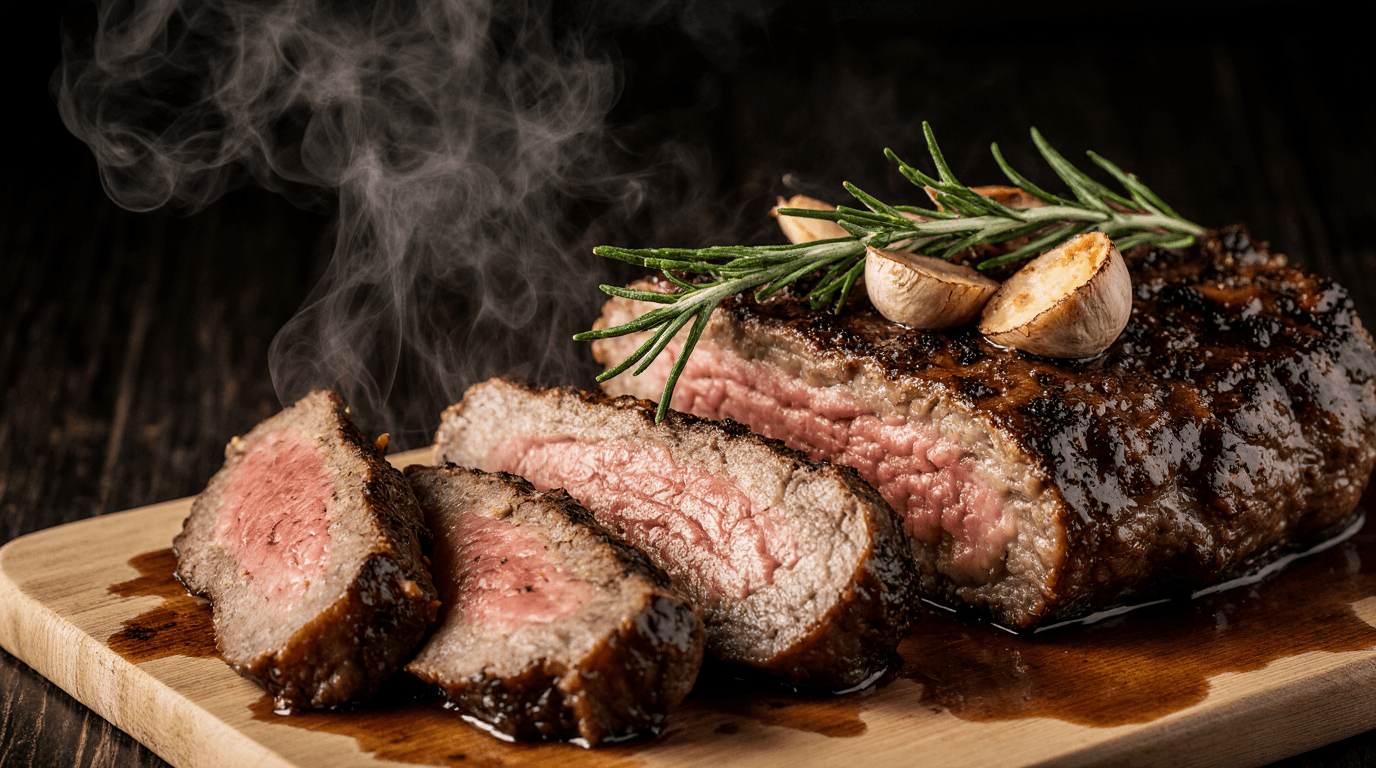
This is the single most critical step for any denver cut steak. The muscle fibers on this cut run in a very visible direction. If you slice parallel to the grain, you will be left with long, stringy, and incredibly tough pieces of meat. You must slice perpendicular to the grain (across the lines) in thin strips. This action shortens the muscle fibers, turning a decent steak into a melt-in-your-mouth experience. This answers the question: how to cook a denver steak to maximum tenderness.
Part 6: Comparative Analysis: What are Denver Steaks vs. Other Cuts?
Understanding what are denver steaks in relation to other cuts helps position it when you’re meal planning.
| Cut Name | Primal Location | Tenderness Rank | Key Feature | Price Point |
| Denver Steak | Chuck (Shoulder) | #4 | High marbling, deep beef flavor, often overlooked. | Mid-Range |
| Ribeye | Rib | #2 | Intense marbling and fat cap. | High |
| Filet Mignon | Tenderloin | #1 | Extremely tender, mild flavor. | Premium |
| Skirt/Flank | Plate/Flank | Low | Lean, strong grain, requires slicing against the grain. | Budget |
While the tenderness score is high, it is important to remember that the flavor of this beef is significantly more robust and “beefy” than the mild flavor of the Tenderloin.
Part 7: Pairing and Serving Suggestions
The richness of the cooked denver steak demands side dishes that offer contrast and balance.
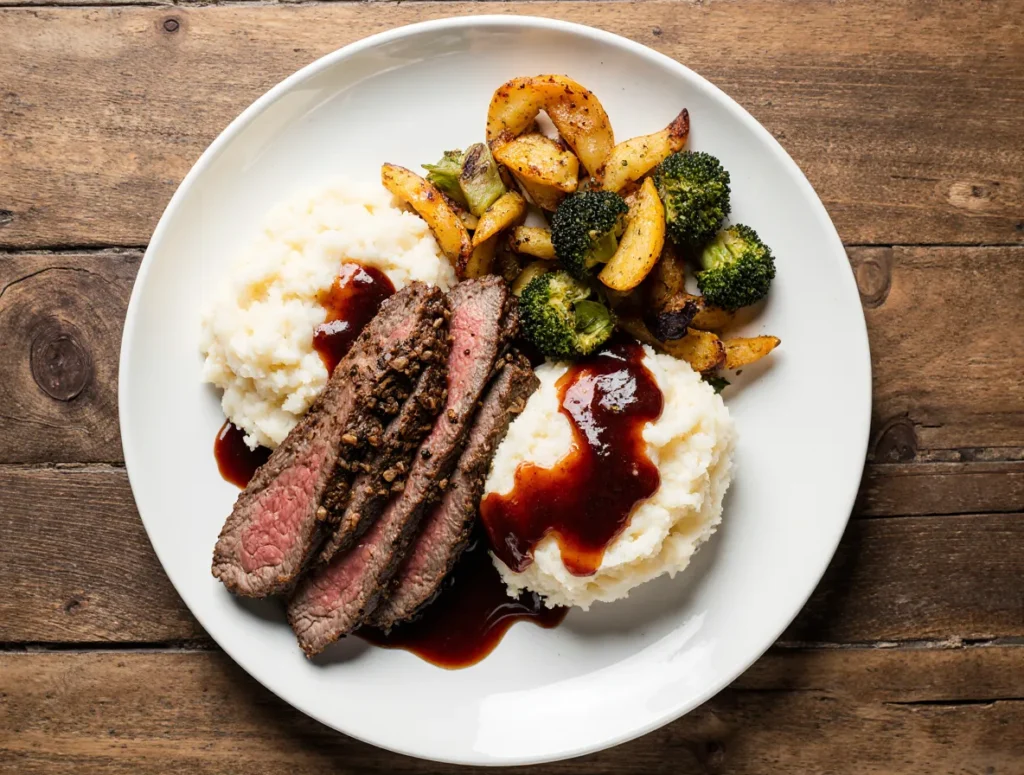
- Acidity and Herbs: Rich steak benefits immensely from a bright, acidic sauce. Classic Chimichurri (parsley, oregano, red wine vinegar, olive oil) or a simple balsamic glaze cuts through the fat beautifully.
- Simple Greens: A fresh arugula salad dressed with lemon juice and Parmesan provides a sharp, peppery counterpoint.
- Starches: Creamy, cheesy sides like a risotto or simple mashed potatoes are perfect for absorbing the steak’s flavorful pan sauce.
For those times when you want a break from red meat, perhaps incorporating some lighter proteins into your weekly meals, you can find a wealth of ideas, including various seasonings and preparation methods, by visiting the recipe repository at MyChickenRecipes.
Part 8: Troubleshooting and Final FAQs
Q: What is denver steak’s ideal serving temperature?
A: Medium-rare (130°F) to medium (135°F). Cooking it beyond medium-well will quickly negate its natural tenderness.
Q: How do you cook a denver steak if it’s unevenly cut?
A: Because the muscle structure can be irregular, some steaks will be thicker on one end. If so, focus your sear primarily on the thicker side to ensure it cooks through without overcooking the thinner side. The reverse sear method also works perfectly for uneven cuts.
Q: Can I use this for slow cooking?
A: You can, but it is not recommended. The tenderness of this cut means its structure will completely break down, resulting in a shredded, stringy texture that is better suited for the tougher parts of the chuck. This cut shines when cooked fast.
Q: What is a denver cut steak? Is it the same as a Flat Iron?
A: No, they are both from the chuck but are different muscles. The Flat Iron is from the infraspinatus muscle, while this cut is from the serratus ventralis. They are similar in flavor and price, but the Denver is generally considered to have slightly better marbling.
Q: How to cook denver steaks if I don’t have a cast iron pan?
A: A high-quality stainless steel skillet, or a scorching hot grill set to high heat, can achieve a good crust. The key is extreme, constant heat.
Q: How do you cook a denver steak to keep it from curling?
A: Curling usually happens with thinner steaks. If you see the edges pull up, you can slightly score the fat cap before cooking, or place a second heavy pot on top of the steak during searing to keep it flat.
Conclusion
Mastering this cut is a milestone for any cook. The denver steak offers the intense, savory satisfaction of the best butcher cuts while retaining a surprising tenderness. By understanding its unique anatomy and employing the high-heat cooking and proper slicing techniques detailed here, you can consistently deliver a delicious, restaurant-quality meal.
Stop paying a premium for loin cuts and start exploring the hidden gems of the chuck. The moment you slice into a perfectly cooked denver steak cut, you will understand why this meat is becoming one of the most celebrated steaks in the world.
Next Step for You:
Now that you know how do you cook a denver steak perfectly, plan to visit your butcher this week and grab the highest quality cut you can find. Which denver steak recipe—Classic Pan Sauce or Chimichurri Rub—will you try first?
Recipe Card: The Perfect Weekend Denver Steak
- Prep Time: 10 mins (plus 45 mins tempering)
- Cook Time: 15 mins
- Rest Time: 10 mins
- Total Time: 1 hour 15 mins
- Servings: 2
Ingredients:
- 2 Denver Steaks (approx 8oz each)
- 2 tbsp Grapeseed oil
- 1 tbsp Sea Salt flakes
- 1 tbsp Black Pepper (coarse ground)
- 2 tbsp Butter
- 3 sprigs Thyme
Method:
- Remove steaks from fridge 45 mins prior.
- Pat dry. Season with salt and pepper.
- Heat skillet to high. Add oil.
- Sear steaks 3 mins per side.
- Add butter and thyme. Baste for 1 minute.
- Check temp (aim for 130°F).
- Rest on a board for 10 minutes.
- Slice against the grain and serve.
(Enjoy your meal!)