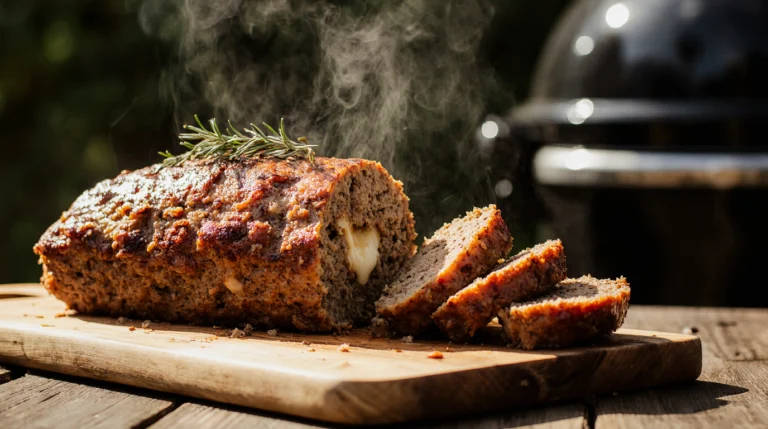
10 Steps to the Perfect Beef Rump Steak: The Ultimate Home Cook’s Bible
Table of Contents
Introduction
The world of steak is vast, filled with various cuts, classifications, and price points. While the fillet offers tenderness and the ribeye offers fat, there is one cut that stands alone as the champion of pure, unadulterated flavor: the beef rump steak.
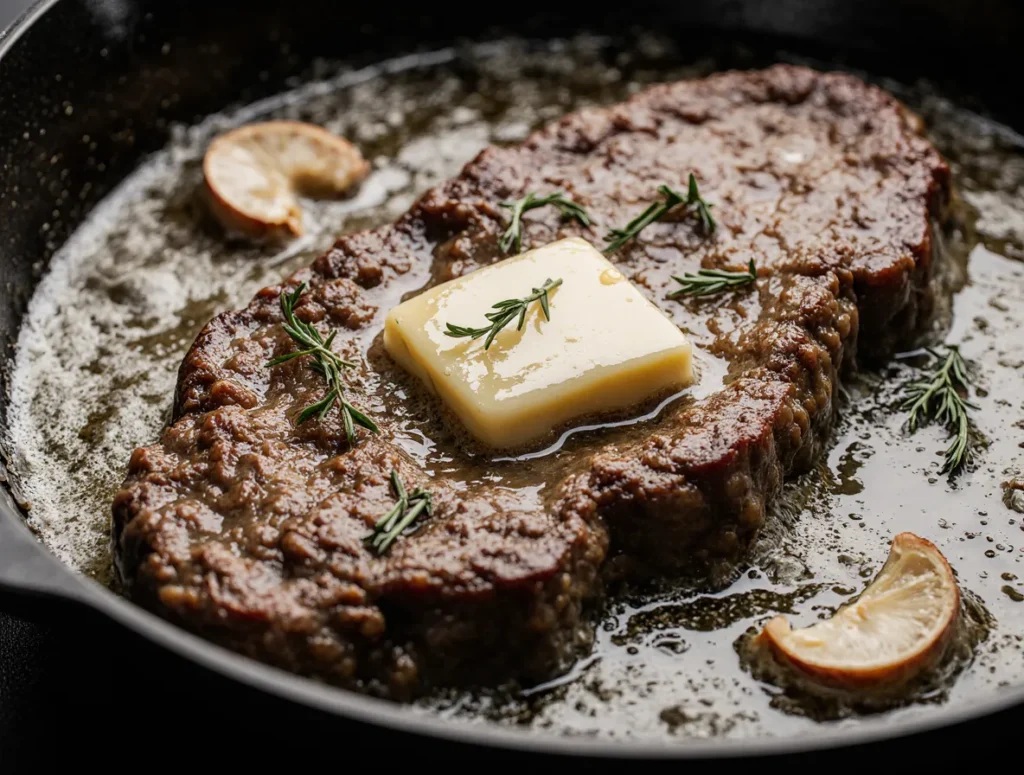
For years, this cut was undervalued, often relegated to stews or quick weekday fry-ups. But as culinary knowledge has expanded, so has the appreciation for this working muscle. It is a cut that rewards the knowledgeable cook, offering a depth of savory, mineral-rich flavor that softer cuts simply cannot match. However, it demands respect. Treat it poorly, and it can be tough. Treat it right, and it is arguably the best eating experience on the animal.
In this extensive guide, we are going to cover absolutely everything you need to know. We will dive deep into the anatomy, the science of muscle fibers, the nutritional profile, and the precise techniques required to master it. Whether you are searching for beef rump steak recipes, curious about beef rump steak nutrition, or simply staring at a slab of meat asking, “how do i cook a rump steak?”, this is the only resource you will ever need.
Part 1: Anatomy and Selection
What Exactly is a Beef Rump Steak?
To cook a steak perfectly, you must understand where it comes from. The beef rump steak is cut from the hindquarter of the animal. specifically the backside of the cow, sitting between the sirloin and the round.
Because the cow uses these muscles for movement (walking and standing), the rump is what we call a “working muscle.” Working muscles develop more connective tissue and coarser fibers than non-working muscles like the tenderloin (fillet). However, work also creates flavor. The increased blood flow and oxygenation to these muscles result in higher levels of myoglobin, which translates to that deep, iron-rich “beefy” taste that true steak lovers crave.
The Three Muscles
A full beef rump steak is actually a cross-section of three distinct muscles, each with different textures:
- The Cap (Picanha): The top section, covered by a layer of fat. This is arguably the most prized part.
- The Eye (Center Cut): The leanest, most cylindrical part of the steak.
- The Prime: A section that is slightly more tender, bordering the sirloin.
When you buy a thick-cut slab, you are often getting a mix of these textures. High-end butchers will often separate them (seam butchery) to ensure even cooking.
Grass-Fed vs. Grain-Fed
When selecting your meat, you will face a choice.
- Grass-Fed: Cattle raised on pasture. The meat is leaner, darker red, and has a complex, grassy, or mineral flavor. It is higher in Omega-3 fatty acids.
- Grain-Fed: Cattle finished on grain. The meat is lighter in color with more intramuscular fat (marbling). It has a sweeter, buttery flavor.
For a beef rump steak, which is naturally lean, grain-fed can offer a bit more forgiveness due to the extra marbling, but grass-fed offers the traditional, robust flavor profile associated with the cut.
Beef Top Rump Roast vs. The Steak
A common point of confusion is the difference between the steak and the beef top rump roast. While they come from the same primal area, they are treated very differently. The top rump (often called the thick flank) is a large, lean muscle block ideal for slow-roasting to break down tissue. You would not slice a raw top rump roast into steaks and fry them; they would be incredibly chewy. Conversely, you wouldn’t slow cook a prime beef rump steak as you would lose its distinct texture.
Part 2: Beef Rump Steak Nutrition
In the modern diet, red meat often gets a bad reputation, but when analyzed closely, beef rump steak nutrition is quite impressive, particularly for those focused on muscle building and satiety.
Unlike the ribeye, which is heavy in saturated fat, the rump is considered a lean cut. It allows you to enjoy the benefits of red meat without the excessive caloric load.
The Macro Profile
A typical 100g serving of trimmed rump contains:
- Protein: Approx 20-24g. High-quality, complete protein containing all nine essential amino acids necessary for muscle repair.
- Fat: Approx 4-6g. Much lower than the 15-20g found in ribeye.
- Calories: Approx 130-150 kcal.
Micronutrients
Beef rump steak nutrition is a powerhouse of micronutrients:
- Vitamin B12: Critical for brain health and energy. One steak can provide over 100% of your daily requirement.
- Zinc: Essential for immune function and testosterone production.
- Haem Iron: The most bioavailable form of iron, crucial for preventing anemia and maintaining energy levels.
- Creatine: Naturally occurring in red meat, supporting muscle performance.
This nutritional density makes the rump an excellent choice for Paleo, Keto, and Carnivore diets, as well as general healthy eating plans. If you are balancing your diet and looking to alternate red meat with white meat, it is worth exploring other lean protein sources. For example, you can find excellent poultry options at My Chicken Recipes to ensure your weekly meal plan remains varied and balanced.
Part 3: The Science of Cooking
Why “Medium-Rare” Matters
When discussing how to cook beef rump steak, the target internal temperature is critical. Because the rump has less intramuscular fat than other cuts, it relies on water content for juiciness.
- Under 50°C (Rare): The proteins haven’t fully denatured; the texture can be slippery.
- 52°C – 55°C (Medium-Rare): The “Goldilocks” zone. The structural proteins (myosin) have denatured enough to firm up the meat, but the sheath proteins (actin) haven’t tightened enough to squeeze out the water.
- Over 60°C (Medium-Well/Well): The actin fibers contract violently, wringing out the moisture like a wet sponge. Since the rump doesn’t have excess fat to lubricate the muscle fibers, cooking it to “well done” makes it tough and dry.
The Maillard Reaction
This is the chemical reaction between amino acids and reducing sugars that gives browned food its distinctive flavor. It happens rapidly above 140°C (280°F). To achieve this on a beef rump steak without overcooking the inside, you need a surface that is dry and heat that is high.
Part 4: Preparation and Tools
You cannot answer “how do i cook a rump steak?” without discussing prep. The battle is won or lost before the steak hits the pan.
Tools You Need
- Cast Iron Skillet: Holds heat better than anything else. Essential for the crust.
- Instant-Read Thermometer: Do not guess. Do not poke it with your finger. Use science.
- Kitchen Tongs: For flipping and searing the fat strip.
Step 1: The Temper
Take the steak out of the fridge 1 hour before cooking. Cooking a cold steak leads to the “bullseye” effect—burnt outside, raw inside.
Step 2: The Dry Brine (The Secret Weapon)
Moisture is the enemy of the sear. If your steak is wet, it must steam before it can brown. Steaming cooks the meat without flavor.
- Pat the steak dry with paper towels.
- Generously coat all sides with kosher salt.
- Place on a wire rack uncovered in the fridge for 2 to 24 hours (if possible).
- The Science: The salt draws out moisture, dissolves into a brine, and is then reabsorbed into the meat. This seasons the steak throughout and breaks down some protein structures, tenderizing the meat.
Part 5: Cooking Methods
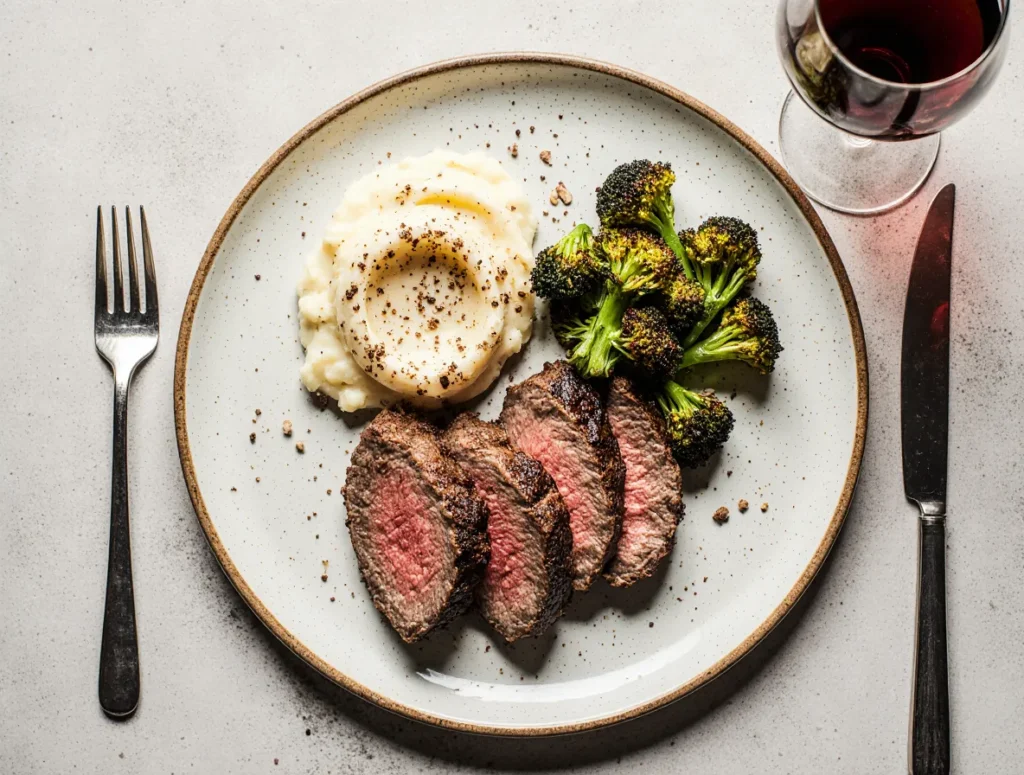
Here we will explore the three best ways to cook this cut.
Method A: The Pan-Sear (Best for Steaks under 1.5 inches)
This is the standard answer for how to cook beef rump steak quickly and deliciously.
- Heat: Place your cast iron pan over high heat. Add a high smoke-point oil (Avocado, Grapeseed, or Beef Tallow). Do not use extra virgin olive oil.
- The Sear: Lay the steak away from you. Listen for the sizzle. If it doesn’t sizzle aggressively, the pan is too cold.
- The Crust: Cook for 2.5 minutes on the first side without moving it. You want a deep mahogany crust.
- The Flip: Flip the steak. Cook for another 2 minutes.
- The Fat Render: Use your tongs to hold the steak vertically, pressing the fat cap against the pan to render it down and crisp it up.
- The Butter Baste: Reduce heat to medium. Add 2 tablespoons of unsalted butter, 2 crushed garlic cloves, and fresh thyme. As the butter foams, spoon it constantly over the steak. This adds the nutty brown butter flavor.
Method B: The Reverse Sear (Best for Thick Steaks)
If you have a thick block of meat and are worried about the gray band of overcooked meat, this is the superior method. It is often cited in advanced beef rump steak recipes.
- Low Oven: Preheat oven to 120°C (250°F).
- Slow Cook: Place seasoned steak on a rack. Cook until internal temp is 46°C (115°F). This takes 30-45 minutes.
- Rest: Remove from oven.
- Flash Sear: Get your skillet screaming hot. Sear the steak for only 45 seconds per side to brown it.
- Result: Perfect edge-to-edge pinkness.
Method C: The Grill
Perfect for summer.
- Two-Zone Fire: Pile coals on one side (direct heat), leave the other empty (indirect heat).
- Sear: Sear over the coals for 2 minutes per side.
- Finish: Move to the cool side, close the lid, and let it come up to temperature gently.
Part 6: Determining Doneness
How do you know when it’s done? How long to cook beef rump steak is a question of temperature, not time.
Use your thermometer and aim for these removal temperatures (the temp will rise 3-5 degrees while resting):
- Rare: Pull at 48°C (118°F).
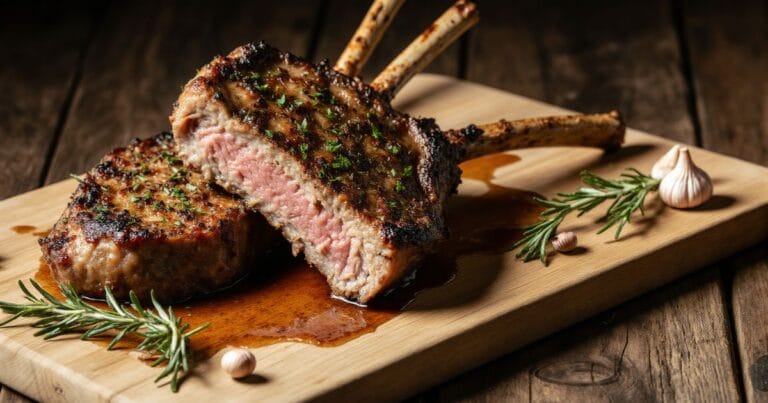
- Medium-Rare: Pull at 52°C (125°F). This is the ideal state for a medium rare rump steak.
- Medium: Pull at 57°C (135°F).
- Well Done: Pull at 68°C+ (155°F+). (Proceed with caution).
Part 7: The Most Important Step – Resting
If you cut into your steak immediately, you will lose the game. During cooking, the muscle fibers contract and squeeze juices to the center of the steak. If you slice it now, the pressure releases and juices flow onto the board. By resting the meat for 8 to 10 minutes, the fibers relax, and the juices thicken and redistribute. This ensures every bite is juicy.
Part 8: Troubleshooting Common Questions
How to Cook Rump Steak in Oven without Searing First?
Technically, you can, but it won’t look appetizing. If you are asking how to cook rump steak in oven exclusively, use the broiler (grill setting).
- Place the rack near the top heating element.
- Preheat the broiler to max.
- Broil the steak for 4-5 minutes per side. This mimics the intense heat of a grill.
My Steak is Tough/Chewy
This usually happens for two reasons:
- Overcooking: Rump cannot handle well-done temperatures.
- Slicing Incorrectly: You must slice against the grain. Look at the direction the muscle fibers run, and cut perpendicular to them. This shortens the fibers, making the meat feel more tender in your mouth.
Can I Marinate Rump?
Absolutely. While a good salt rub is sufficient, cooking beef rump steak with a marinade can help tenderize it further. Acidic ingredients (lemon juice, vinegar, yogurt) break down muscle fibers.
Part 9: Three Gourmet Rump Steak Recipes
To elevate your dinner, try these variations.
1. The Classic Peppercorn (Steak Au Poivre)
A timeless rump steak recipe.
- Prep: Coat the steak in crushed black peppercorns.
- Cook: Pan sear in butter. Remove steak to rest.
- Sauce: In the same pan, add a shot of cognac or brandy. Flambé carefully. Add beef stock and heavy cream. Simmer until it coats the back of a spoon.
- Serve: Pour the sauce over your medium rare rump steak.
2. Chimichurri Rump
A bright, acidic contrast to the rich beef.
- The Sauce: Blend parsley, cilantro, oregano, garlic, red wine vinegar, olive oil, and red pepper flakes.
- Method: Grill the steak over charcoal. Slice thinly. Spoon the cold, fresh sauce over the hot meat.
3. Coffee-Rubbed Rump
Don’t knock it until you try it. The bitterness of coffee accentuates the savory beef.
- Rub: Mix ground espresso, brown sugar, paprika, onion powder, and salt.
- Method: Rub generously on the steak. Pan sear. The sugar and coffee create a dark, caramelized crust that is incredible.
Part 10: Side Dishes and Wine Pairings
The Sides
Since beef rump steak is robust, it needs sides that can stand up to it.
- Potatoes: Truffle mash, duck-fat roasted potatoes, or crisp french fries.
- Greens: Creamed spinach (a steakhouse classic), charred broccoli with chili, or green beans with almonds.
- Salads: A wedge salad with blue cheese dressing cuts through the richness.
The Wine
Red meat calls for red wine. The tannins in red wine bind with the protein and fat in the steak, softening the wine and enhancing the meat.
- Cabernet Sauvignon: The classic choice. Bold, tannic, and dark fruity.
- Malbec: Perfect for the Chimichurri recipe.
- Syrah/Shiraz: Peppery and spicy, great for the coffee-rubbed steak.
Part 11: Conclusion
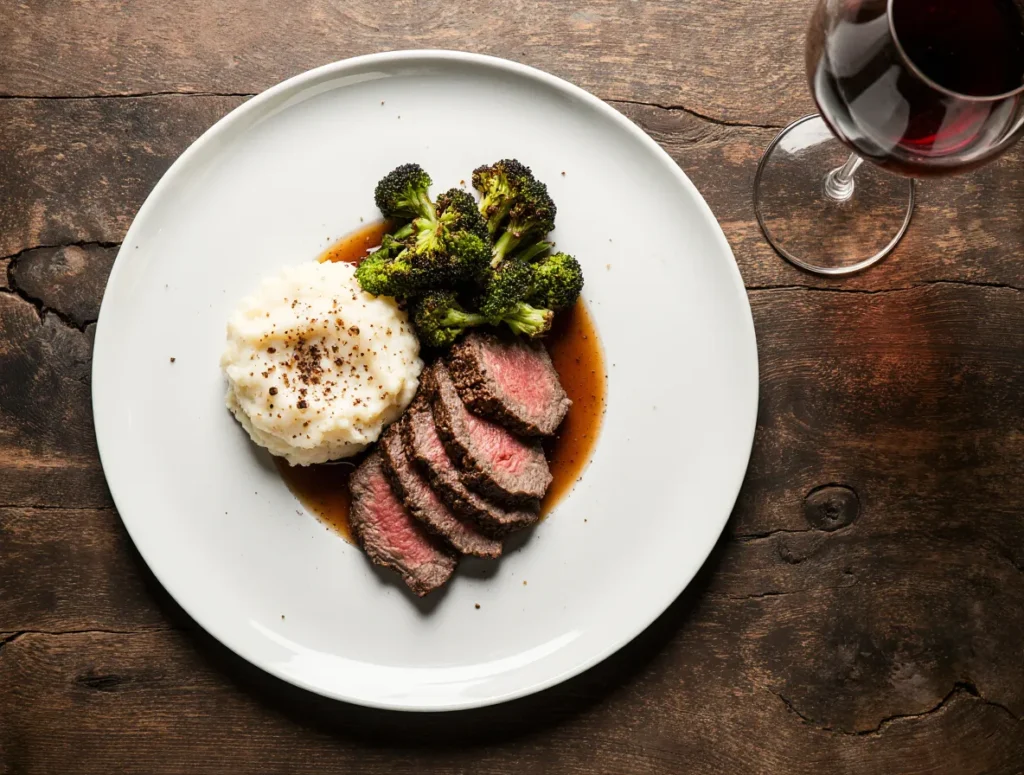
The beef rump steak is a testament to the fact that you don’t need to spend a fortune to eat like a king. It is a cut that offers the perfect intersection of flavor, nutrition, and value.
By following the steps outlined here—selecting the right meat, prepping with a dry brine, mastering the high-heat sear, and allowing for a proper rest—you can transform this humble working muscle into the highlight of your culinary week.
Whether you are strictly counting macros and watching your beef rump steak nutrition, or simply looking to impress a date with a perfect medium rare rump steak, the power is now in your hands. Stop guessing. Use the thermometer, trust the process, and enjoy the incredible flavor that only a rump can provide.
Next Step: Why not plan your menu for the week right now? You have your red meat sorted with this guide. For the other days, head over to My Chicken Recipes to find the perfect poultry dishes to round out a healthy, protein-rich week of eating.
Now, go get that pan hot!