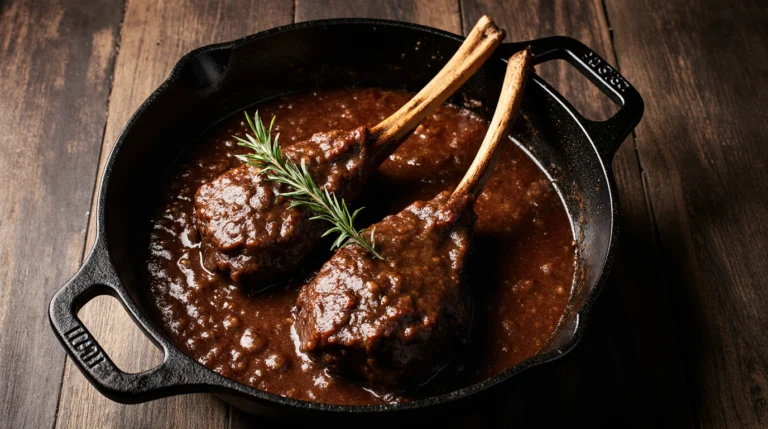
The 3 Perfect Ways to Cook Beef Cheek Meat: The Ultimate Guide
Table of Contents
Introduction
In the world of culinary arts and backyard barbecue, there is a constant search for the next “best” cut. For years, the brisket was the king of the smoker, and the ribeye reigned supreme on the grill. But recently, a shift has occurred. Chefs and home cooks alike are discovering a cut that was once discarded or ground into hamburger, a cut that offers a richness and texture that filet mignon can only dream of. That cut is beef cheek meat.
If you have never experienced the gelatinous, melt-in-your-mouth texture of properly cooked cheeks, you are missing out on one of the bovine world’s greatest treasures. It is a cut that rewards patience. It demands time, moisture, and a little bit of love, but the result is a flavor profile that is intensely beefy and incredibly tender.
In this comprehensive guide, we are going to explore everything you need to know. We will answer what is beef cheek meat, dive into the nutrition, explore the science of collagen, and provide you with the absolute best beef cheek meat recipes to transform your kitchen into a 5-star restaurant.
Part 1: Anatomy and Science
What is Beef Cheek Meat?
To cook this meat effectively, you must understand what it is. So, what is beef cheek meat? Technically known as the masseter muscle, this is the facial muscle of the cow used for chewing.
Consider the life of a cow. They are ruminants. They spend hours upon hours every single day grazing and chewing cud. This means the cheek muscle is one of the most exercised muscles in the entire animal. In butchery, the rule of thumb is simple: the more a muscle works, the tougher it is, but also the more flavorful it is.
Because this muscle is constantly in motion, beef cheek meat is developed with thick fibers and is heavily laced with connective tissue, specifically collagen. If you were to take a raw cheek and throw it on a hot grill for two minutes, it would be inedible—tough, chewy, and rubbery.
However, this “flaw” is actually its greatest strength. That connective tissue is the secret weapon. When cooked low and slow, that collagen breaks down into gelatin. This gelatin coats every single muscle fiber, creating a sensation of moisture and richness that you simply cannot get from leaner cuts like sirloin.
Where Does Beef Cheek Meat Come From?
When asking where does beef cheek meat come from, the answer is literal: it is the patch of meat sitting on either side of the cow’s jaw. In a butchery setting, removing the cheek is a skilled task. It must be carefully cut away from the skull bone.
Usually, you will find cheek meat beef sold in 1 to 1.5-pound portions. A whole cow only yields two of these distinct muscles, making them somewhat of a specialty item. While they used to be incredibly cheap (often used for dog food or ground beef), the rise of gastropubs and authentic taco trucks has driven the popularity—and the price—up slightly, though it remains an economical choice compared to short ribs.
Is Beef Cheek Meat Good for You?
Many diners worry about the health implications of such a rich-tasting cut. Is beef cheek meat good for a balanced diet? The answer is a resounding yes, provided it is prepared correctly.
Beef cheek meat nutrition is unique. While it tastes fatty, much of that mouthfeel comes from gelatin, not pure beef tallow (fat).
- High Protein: It is an excellent source of protein, essential for tissue repair.
- Collagen Rich: This is one of the best natural sources of dietary collagen, which can support skin health, hair strength, and joint mobility.
- Vitamins: It is packed with Zinc and Vitamin B12, which are vital for immune function and energy levels.
When you eat beef cheeks meat, you are consuming a nutrient-dense food that is highly satiating. You often find that you need to eat less of it to feel full compared to other proteins.
Part 2: Sourcing and Preparation
Finding the Cut
You might not find beef cheek meat at your local big-box grocery store next to the chicken breasts. You will likely need to venture to:
- Local Butcher Shops: Ask your butcher ahead of time; they may need to save them for you.
- Mexican Markets (Carnicerias): Look for Cachete. This is the most reliable place to find them, and often at the best price.
- Online Meat Purveyors: High-end meat delivery services now regularly stock Wagyu and grass-fed cheeks.

The All-Important Trim
When you unwrap your package, the beef cheeks meat will likely look messy. It will be covered in a thick layer of white fat and a tough, pearlescent membrane known as “silverskin.”
How do you cook beef cheek meat without it being chewy? You trim.
- Tools: Use a very sharp, flexible boning knife.
- Silverskin: Slide the knife under the silver skin. Angle the blade slightly upward and slice it away. This membrane does not break down during cooking, so it must be removed.
- Excess Fat: While fat is flavor, there is often a heavy lump of fat on the exterior. Trim this down. You want the intramuscular fat (the white specks inside the meat) to remain, but the hard exterior fat should be reduced.
Part 3: The Cooking Methods
Now, let’s get to the heart of the matter: the beef cheek meat recipes. We will cover three distinct techniques: the Smoker, the Slow Cooker, and the Dutch Oven (Barbacoa).
Method 1: Smoked Beef Cheek Meat (The BBQ Style)
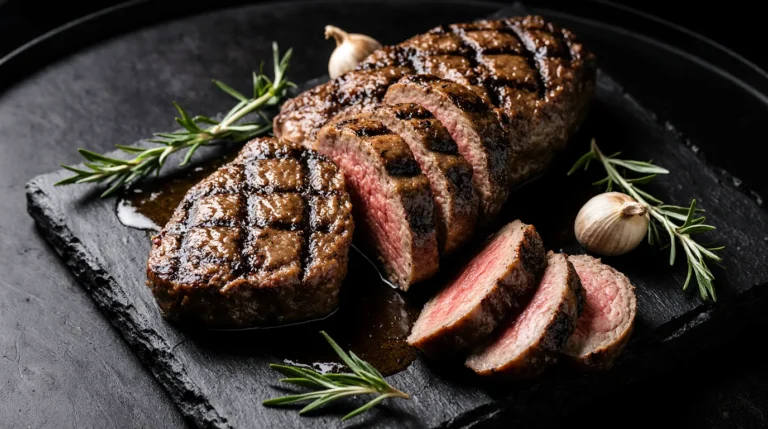
For those who love the art of barbecue, smoking beef cheek meat is a revelation. It eats like a brisket point but takes half the time to cook. The result is smoked beef cheek meat that has a dark, peppery bark on the outside and a sticky, jelly-like interior.
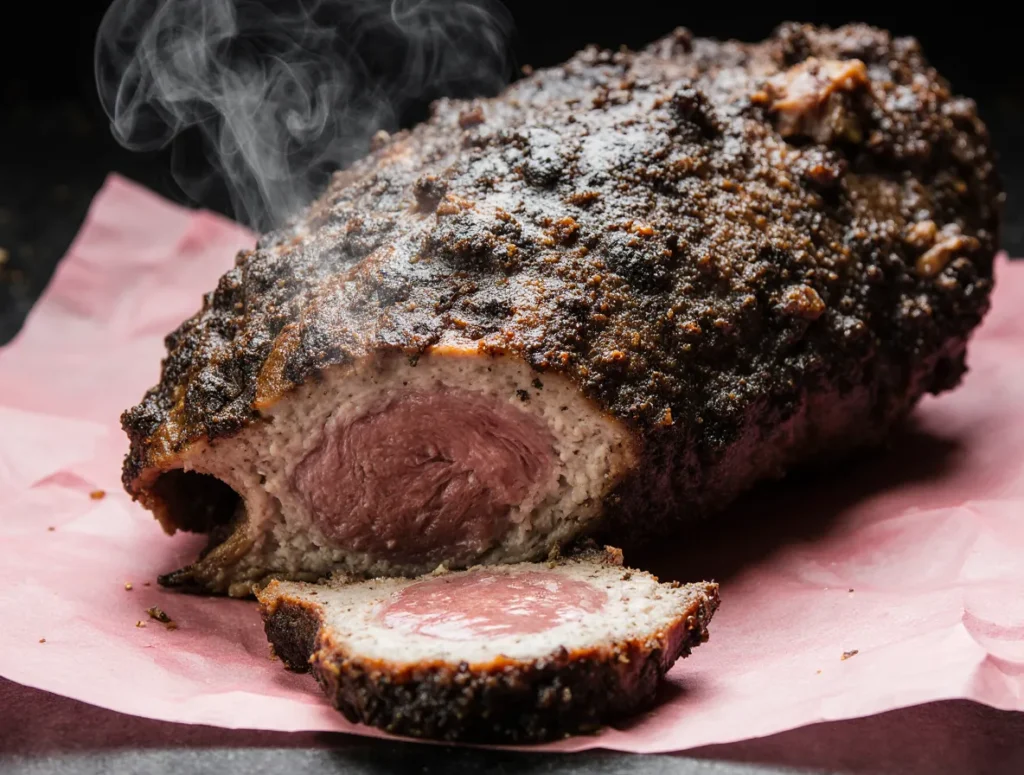
Ingredients:
- 3 lbs beef cheek meat, trimmed
- Yellow mustard (binder)
- Coarse Black Pepper (1/4 cup)
- Kosher Salt (1/4 cup)
- Garlic powder (1 tbsp)
The Process:
- Preheat: Fire up your smoker to 275°F. Use post oak or hickory wood for a strong flavor profile.
- Season: Rub the cheeks with a thin layer of mustard. Combine the salt, pepper, and garlic, and coat the meat generously.
- The Smoke: Place the meat on the grates. Let it smoke undisturbed for about 3 hours. You are looking for a deep mahogany color.
- The Boat: Once the internal temperature hits around 165°F, the meat will “stall.” At this point, place the cheeks in an aluminum foil pan. Add a knob of butter and perhaps a splash of beef broth. Cover the pan tightly with foil.
- Finish: Continue cooking until the meat is probe-tender (usually around 205°F – 210°F).
- Rest: Let it rest for at least 45 minutes before slicing.
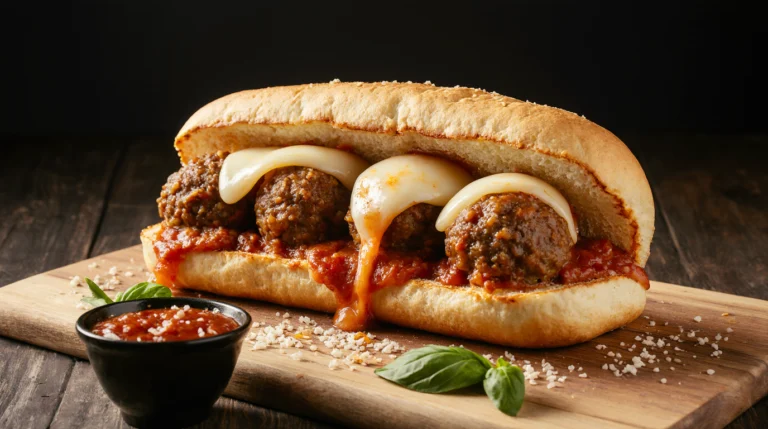
This beef cheek meat recipe is perfect for slicing into sandwiches or serving alongside pickles and onions.
Method 2: Authentic Beef Cheek Barbacoa
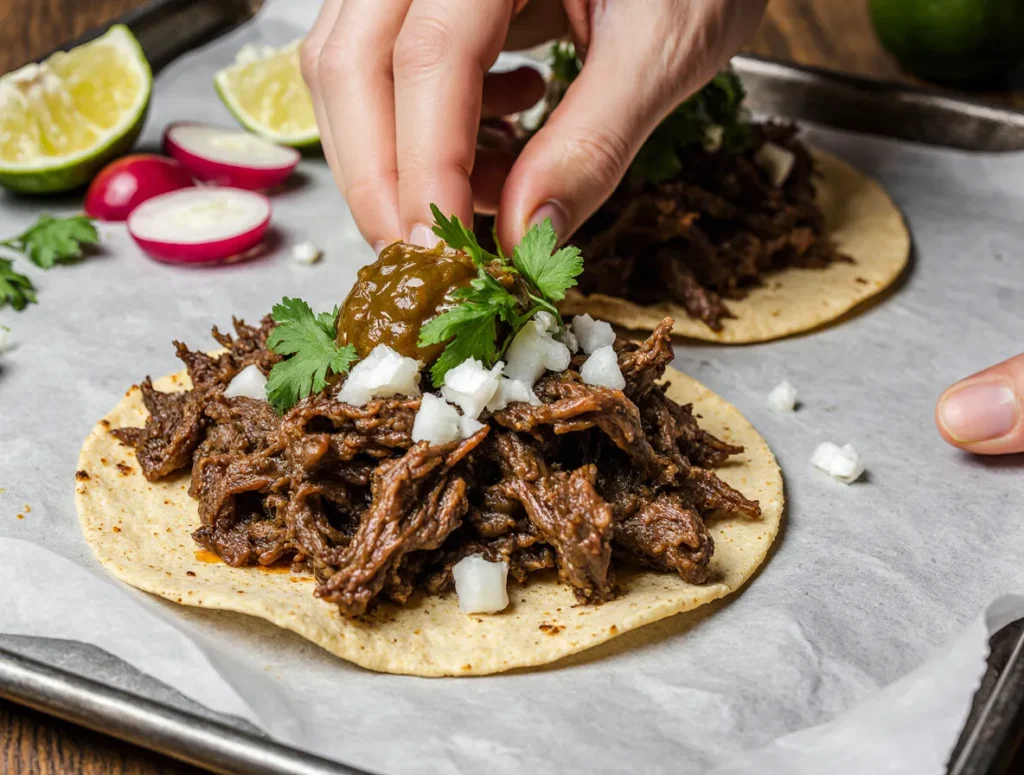
If you ask a culinary historian what is beef cheeks meat famous for, they will say Barbacoa. This traditional Mexican preparation steams the meat until it shreds effortlessly. This is the foundation for the world’s best beef cheek meat tacos.
Ingredients:
- 4 lbs beef cheek meat
- 1 onion, white, chopped
- 6 cloves garlic, smashed
- 4 dried Guajillo chilies (stemmed and seeded)
- 2 dried Ancho chilies
- 1 tbsp Mexican Oregano
- 1 tbsp Cumin
- 1/2 tsp Cloves
- 1 cup Beef Broth
- 3 Bay leaves
- Salt and pepper
The Beef Cheek Meat Barbacoa Recipe:
- Rehydrate: Boil the dried chilies in water for 10 minutes until soft. Blend them with the garlic, oregano, cumin, cloves, and a splash of the soaking water to create a thick adobo paste.
- Sear: Season the cheeks heavily with salt. In a heavy pot, sear them on high heat until browned.
- Combine: Coat the seared meat with your chili paste. Place them back in the pot (or a slow cooker). Pour in the beef broth and add the bay leaves and onion.
- Braise:
- Oven: Cover tightly and bake at 325°F for 4 to 5 hours.
- Slow Cooker: See the next section, but generally 8 hours on low.
- Shred: When done, the beef cheek meat barbacoa will yield to the slightest pressure. Shred it with two forks, mixing it back into the juices.
Serve this on warm corn tortillas with diced onions, cilantro, and a squeeze of lime. Beef cheek meat tacos are traditionally eaten for breakfast in parts of Mexico, but they are a showstopper for any dinner party.
Method 3: Cooking Beef Cheeks in a Slow Cooker (Red Wine Braise)
For the busy home cook, cooking beef cheeks in a slow cooker is the most practical method. It allows you to build deep, complex flavors with minimal active effort. This style mimics a French daube or beef bourguignon.
Ingredients:
- 3 lbs beef cheek meat
- 2 cups dry red wine (Cabernet Sauvignon works best)
- 1 cup beef stock
- 2 carrots, chopped
- 2 celery stalks, chopped
- 1 onion, diced
- 2 tbsp tomato paste
- Fresh thyme and rosemary
The Recipe:
- Brown the Meat: Never skip this step. Sear the cheeks in a skillet to develop flavor. Transfer to the slow cooker.
- Sauté Veggies: In the same skillet, cook the onions, carrots, and celery for 5 minutes. Stir in the tomato paste.
- Deglaze: Pour the red wine into the skillet, scraping up the brown bits. Pour this vegetable and wine mixture over the meat in the slow cooker.
- The Long Haul: Add the stock and herbs. Set the cooker to LOW.
- Time: Cook for 8 to 10 hours. Slow cooked beef cheeks cannot be rushed. If you use the “High” setting, the meat may seize up and become tough. Low and slow is the only way.
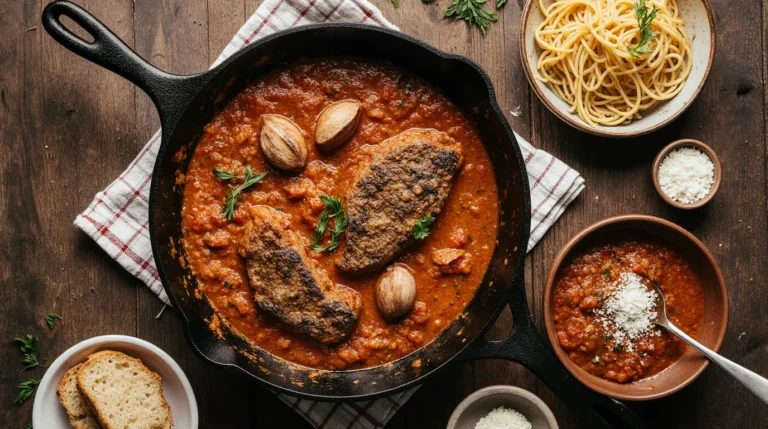
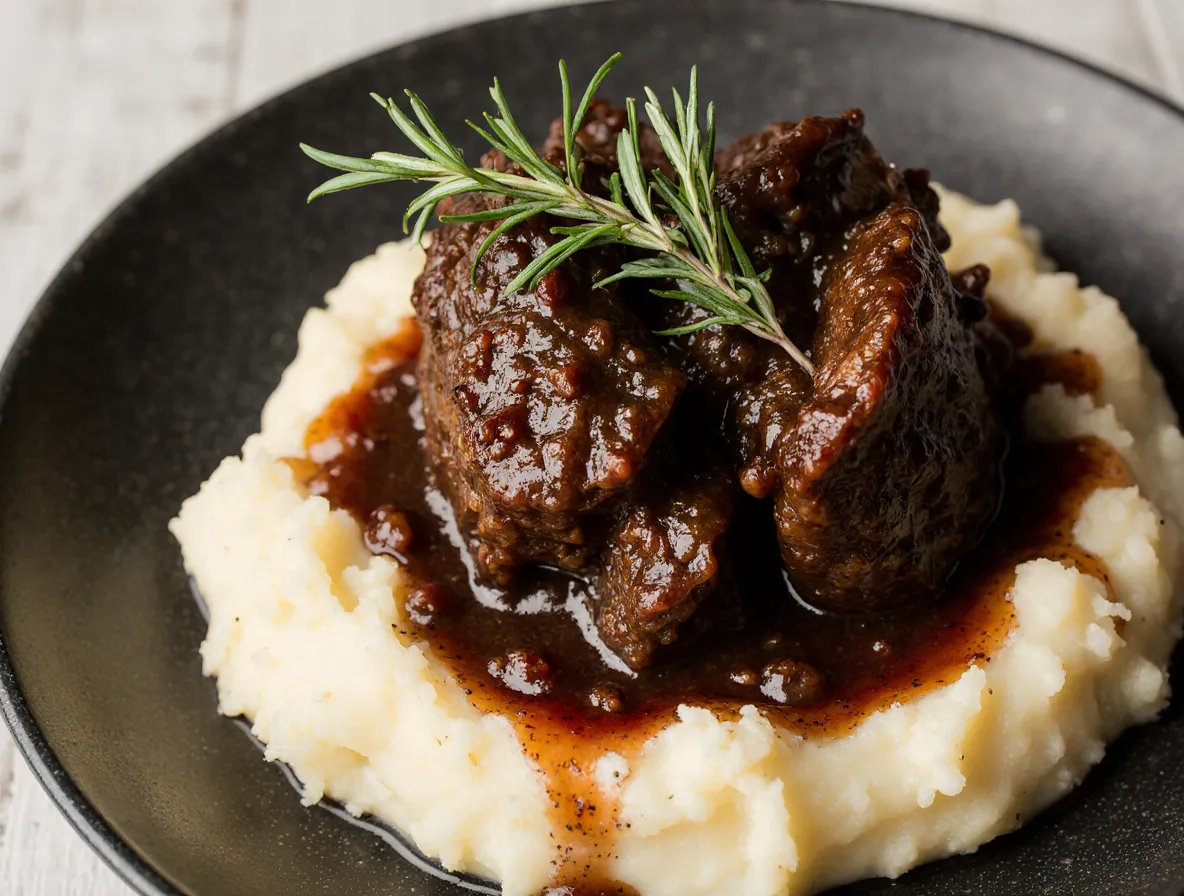
When you lift the lid, you will find the beef cheek meat is incredibly tender. The sauce will be rich and glossy. Serve this over creamy mashed potatoes or polenta.
Part 4: Why These Recipes Work
The success of all beef cheek meat recipes relies on the conversion of collagen.
When you are grilling a steak, you are cooking muscle fibers. When you are making slow cooked beef cheeks, you are cooking connective tissue.
- 140°F: The meat releases water and shrinks.
- 160°F: The collagen begins to soften.
- 180°F+: The collagen turns into liquid gelatin.
Because beef cheek meat has so much collagen, it can hold a massive amount of moisture even after the muscle fibers themselves have dried out. The gelatin acts as a lubricant. This is why cheek meat beef feels so sticky on your lips.
If you attempt a beef cheek meat recipe and the meat is tough, it simply needs more time. It is almost impossible to overcook this cut in a liquid environment. If in doubt, give it another hour.
Part 5: Pairings and Menu Planning
You have mastered the main course, but what do you serve with it? Beef cheek meat is heavy and rich. You need sides that provide acid or starch to balance that richness.
For the Barbacoa:
- Acid: Pickled red onions are essential to cut through the fat of beef cheek meat barbacoa.
- Heat: A spicy salsa verde (tomatillo salsa) pairs perfectly.
- Starch: Mexican rice or warm tortillas.
For the Red Wine Braise:
- Creamy: Polenta, grits, or a parsnip puree.
- Green: Roasted Brussels sprouts or a sharp arugula salad with lemon vinaigrette.
For the Smoked Cheeks:
- Classic BBQ: Coleslaw, potato salad, and white bread.
Looking for Lighter Options? If you are planning a week’s worth of meals, you probably don’t want heavy red meat every night. Balance is key. For excellent poultry ideas to balance out your week, check out the incredible database at My Chicken Recipes. They offer lighter, high-protein options that can give your palate a break between your BBQ sessions.
Part 6: Troubleshooting and FAQ
Even with the best instructions, questions arise. Here are the most common queries regarding beef cheek meat recipes.
Q: Can I use a pressure cooker? A: Yes. You can cook beef cheek meat in an Instant Pot in about 60 to 90 minutes. However, while it will be tender, the texture is slightly different. Slow cooked beef cheeks tend to have a better, stickier texture because the gelatin sets differently over a long period.
Q: My meat tastes “gamey.” Why? A: What is beef cheek meat flavor profile? It is intensely beefy. Some find it strong. If you are sensitive to this, soak the raw cheeks in cold water or milk for an hour before cooking to draw out some of the myoglobin.
Q: Can I freeze the leftovers? A: Absolutely. In fact, beef cheek meat freezes better than almost any other cooked meat. The high gelatin content protects the fibers from freezer burn. Freeze the meat in its own sauce for best results.
Q: What is a good substitute? A: If you cannot find cheeks, beef short ribs or oxtails are the closest substitutes in terms of texture and flavor, although they are often more expensive. Chuck roast is a budget alternative, but it lacks the unique gelatinous texture of cheeks.
Conclusion: The King of Comfort Food
We have traveled from the anatomy of the cow to the smoker in your backyard. We have defined what is beef cheeks meat and why it deserves a spot in your rotation.
Whether you are craving the spicy punch of beef cheek meat tacos or the comforting warmth of a red wine stew, this cut delivers. It is a reminder that the best food often comes from the humblest ingredients. It requires patience, but it does not require complex skills.
If you follow these beef cheek meat recipes, you will create food that nurtures the soul. The next time you are at the butcher, skip the ribeye. Ask for the cheeks. Take them home, pour yourself a drink, and let the slow heat work its magic.
The result will be the best beef cheek meat you have ever tasted.