The Ultimate Guide to Perfect Tuna Crudo: 7 Secrets to the Best At-Home Appetizer
Table of Contents
Introduction
When we think of high-end dining, few dishes capture the essence of elegance and simplicity quite like tuna crudo. It is a dish that screams sophistication, yet, ironically, it is one of the simplest things you can prepare in your own kitchen. There is no heat, no pots and pans to scrub, and no complex cooking techniques to master. There is only the purity of the ingredients.
If you have been hunting for the ultimate tuna crudo recipe, you have arrived at the right place. In this comprehensive guide, we are going to explore everything from selecting the perfect catch to mastering the knife skills required for a restaurant-quality plate. We will dive deep into the world of raw tuna, exploring variations like ahi tuna crudo, the delicate yellowfin tuna crudo, and the underrated albacore crudo.
By the end of this post, you will be a master of the fish crudo, ready to impress guests with a dish that looks like it came straight from a Milanese kitchen.
Table of Contents
- What is Tuna Crudo? Defining the Dish
- The History of Italian Raw Fish
- Selecting the Fish: Safety and Quality
- The Best Fish for Crudo: Ahi, Yellowfin, and Albacore
- The Art of the Cut: Knife Skills 101
- The Flavor Trinity: Oil, Acid, and Salt
- Step-by-Step: The Classic Tuna Crudo Recipe
- Recipe Variation: Spicy Ahi Tuna Crudo
- Recipe Variation: Citrus Herb Albacore Crudo
- Global Variations and Pairings
- Frequently Asked Questions
1. What is Tuna Crudo? Defining the Dish
To understand the dish, we must look at the name. In Italian, “crudo” simply means “raw.” Therefore, tuna crudo translates literally to raw tuna. However, unlike Japanese sashimi, which is typically served plain with soy sauce and wasabi on the side, an italian crudo is an ingredient-driven dish where the fish is dressed before serving.
A typical crudo recipe involves slicing raw fish and anointing it with high-quality extra virgin olive oil, an acidic element (like lemon juice or vinegar), and a crunch element (like sea salt or shallots). It is distinct from ceviche; in ceviche, the fish sits in acid for a long time, “cooking” the proteins. In a fish crudo, the acid is applied right before eating, preserving the raw texture of the meat.
Many people confuse it with tartare. While a raw tuna tartare is chopped into small cubes and bound with a sauce, a crudo plate features slices of whole muscle. It is arguably the purest way to enjoy seafood. Whether you are looking for raw tuna dishes for a dinner party or a light lunch, tuna crudo is the pinnacle of fresh eating.
2. The History of Italian Raw Fish
While we often associate raw fish with Japan, Italy has a long history of consuming raw seafood, particularly in coastal regions. The sicilian crudo tradition is strong, born from fishermen eating their catch right on the boat.
Crudo di tonno (tuna crudo) is a staple in Sicilian and Southern Italian cuisine. The Mediterranean offers bountiful Bluefin, and the locals learned long ago that the best way to honor a fresh catch is to do as little as possible to it.
Historically, italian raw fish dish preparations were simple: sea salt and olive oil. Over time, as trade routes opened, citrus and spices were introduced. Today, if you visit a high-end restaurant, you might find a tuna crudo north italia style, which might incorporate northern ingredients like truffles or hazelnuts, versus the sicilian tuna style which relies heavily on capers, olives, and blood oranges.
Understanding this history helps us appreciate the burrata fish pairings or the crudo japanese fusion dishes we see today. It all stems from a respect for the sea.
3. Selecting the Fish: Safety and Quality
The most critical aspect of any tuna crudo recipe is the quality of the fish. Since you are not cooking the fish, you cannot hide behind sauces or heat. You need the best fish for crudo.
The “Sushi Grade” Myth
You will often see the term “sushi grade” or “sashimi grade.” It is important to know that in many countries, including the US, this is a marketing term, not a federally regulated standard. However, it generally implies that the fish has been frozen at very low temperatures to kill parasites. When making raw tuna appetizer dishes, always tell your fishmonger you intend to eat it raw.
Freshness Indicators
When buying fish for crudo, look for:
- Smell: It should smell like the ocean, never fishy.
- Appearance: The flesh should be firm and translucent, not opaque or slimy.
- Color: Bright and vibrant. Big eye tuna crudo will be deep red, while albacore tuna crudo will be pale pink.
If you cannot find fresh tuna, high-quality frozen saku blocks (often used for ahi crudo) are an excellent alternative. Thaw them slowly in the refrigerator for the best texture.
4. The Best Fish for Crudo: Ahi, Yellowfin, and Albacore
Not all tuna is created equal. The species you choose will dictate the flavor profile of your crudo recipe.
Ahi Tuna (Yellowfin and Bigeye)
Ahi tuna crudo is perhaps the most popular version. “Ahi” is the Hawaiian name for both Yellowfin and Bigeye tuna. It has a firm texture and a mild-to-moderate flavor. It holds up well to stronger seasonings like soy or chili. If you are making a yellowfin crudo, you are working with a lean fish that loves rich olive oil.
Yellowfin Tuna
Specifically, yellowfin tuna crudo is loved for its accessibility and beautiful color. It is leaner than Bluefin but more flavorful than Albacore. It is the workhorse of the crudo seafood world. When you see a tuna crudo recipe online, it is usually designed for Yellowfin.
Albacore Tuna
Albacore crudo offers a completely different experience. Albacore is softer, almost buttery, with a very mild flavor. Because it is softer, it must be handled gently. An albacore crudo pairs exceptionally well with citrus like grapefruit or ponzu because the fish is so delicate.
Bluefin Tuna
The king of tuna. Bluefin tuna crudo (or bluefin crudo) is intensely flavorful and fatty. The belly cuts (toro) are prized. If you are lucky enough to find this, keep the crudo recipe incredibly simple to let the fish shine.
5. The Art of the Cut: Knife Skills 101
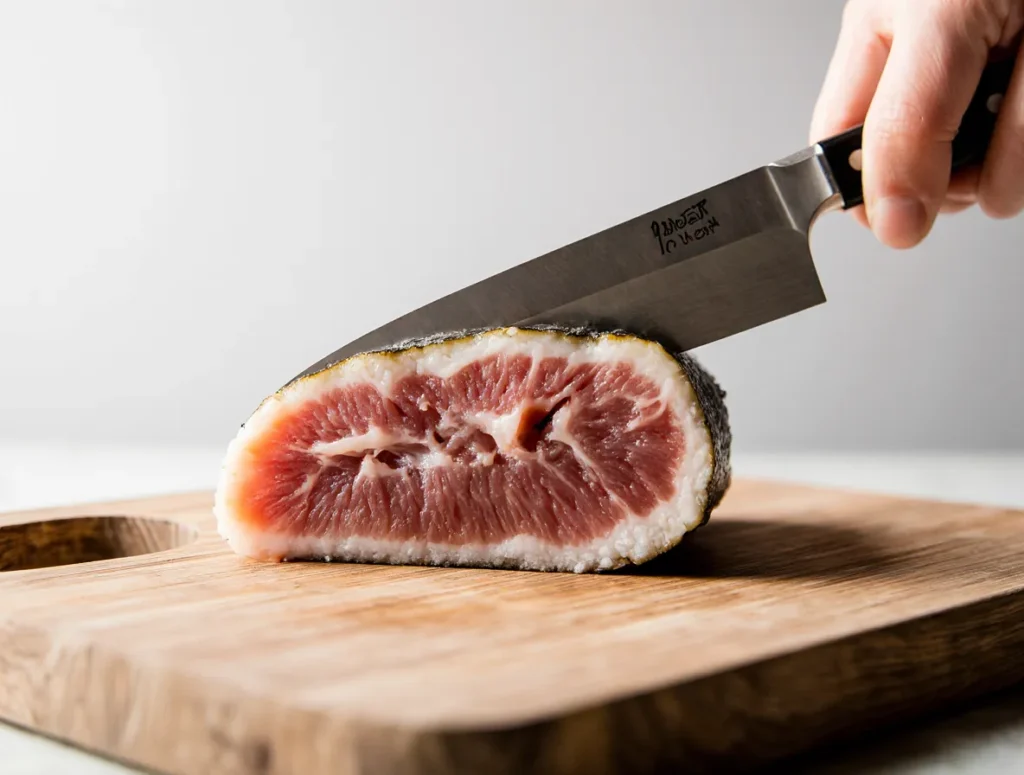
To make a beautiful crudo plate, you need a sharp knife. This cannot be overstated. A dull knife will tear the flesh, ruining the texture of your raw tuna.
The Tools
A long slicing knife (like a Yanagiba) is ideal, but a very sharp chef’s knife works too.
The Technique
- Chilling: Keep your chuck meat… excuse me, your tuna meat, very cold. It slices better when slightly firm.
- Against the Grain: Look for the lines running through the steak. You want to slice perpendicular to these lines. This shortens the muscle fibers, making the tuna crudo melt in your mouth.
- One Motion: Do not saw back and forth. Place the heel of the knife on the fish and draw it back in one long, smooth motion.
- Thickness: For ahi tuna crudo or yellowfin tuna crudo, aim for 1/4 inch thickness. For albacore crudo, which is softer, you can go slightly thicker.
6. The Flavor Trinity: Oil, Acid, and Salt
A fish crudo is defined by its dressing. You want to enhance, not mask.
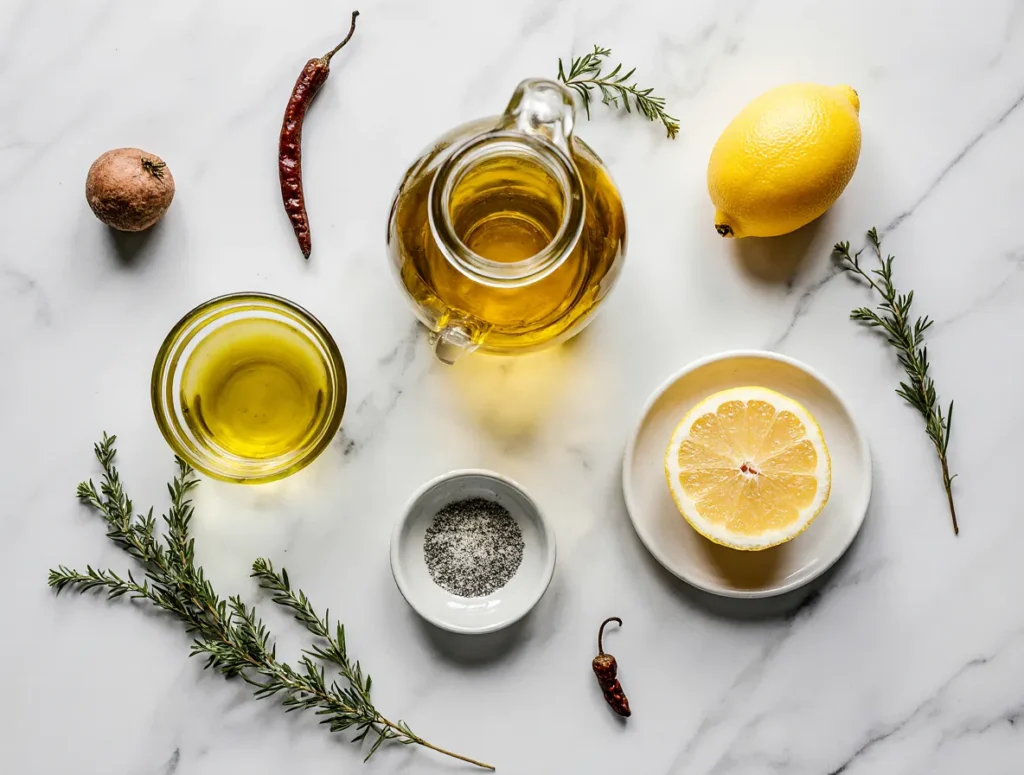
The Fat: Olive Oil
Use your best Extra Virgin Olive Oil. The grassy, peppery notes of a premium oil are essential for an authentic italian crudo. For a Japanese twist, toasted sesame oil is fantastic on wahoo crudo or tuna.
The Acid
Acid “cooks” the fish over time, so apply it last.
- Lemon: The classic choice for tuna crudo.
- Lime: Great for a Latin-inspired atun crudo.
- Vinegar: Sherry vinegar or Champagne vinegar adds complexity without the harshness of white vinegar.
- Blood Orange: Essential for a sicilian crudo.
The Crunch
Texture is vital.
- Salt: Flaky sea salt (like Maldon) is non-negotiable. It adds a crunch and bursts of salinity.
- Seeds: Sesame seeds or poppy seeds.
- Vegetables: Thinly sliced radishes, jalapeños, or fried capers.
7. Step-by-Step: The Classic Tuna Crudo Recipe
Here is the quintessential method for preparing this dish. This serves as the foundation for all tuna appetizer recipes.
Prep time: 15 minutes Serves: 4
Ingredients:
- 1 lb Fresh Sushi-Grade Tuna (Yellowfin or Bigeye)
- 1/4 cup Premium Extra Virgin Olive Oil
- 1 Lemon (zested and juiced)
- 1 tbsp Flaky Sea Salt
- 1 tsp Fresh Cracked Black Pepper
- 2 tbsp Capers (fried or rinsed)
- Microgreens for garnish
Instructions:
- Prepare the Fish: Ensure your tuna is cold. Pat it dry with a paper towel. Moisture is the enemy of a good crudo recipe.
- Slice: Using your sharpest knife, slice the raw tuna against the grain into 1/4 inch thick slices.
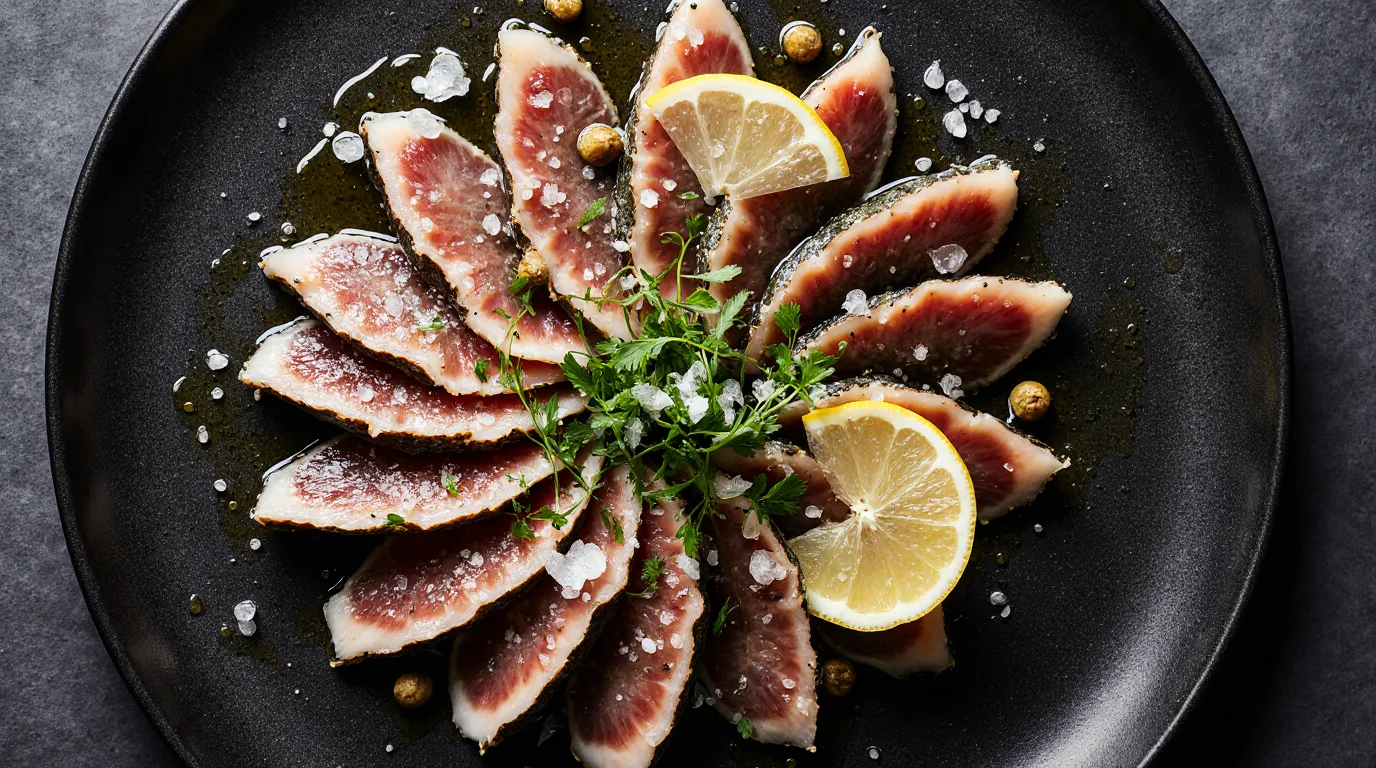
- Plate: Arrange the slices on a cold platter. Do not overlap them too much; you want every piece to get seasoned.
- Dress: Drizzle the olive oil generously over the fish. Every millimeter of the yellowfin tuna crudo should glisten.
- Acidify: Squeeze the fresh lemon juice over the fish.
- Season: Sprinkle the flaky sea salt and black pepper from high up to ensure even distribution.
- Garnish: Scatter the capers, lemon zest, and microgreens.
- Serve: Serve immediately. Tuna crudo does not like to wait.
This is the standard how do i cook beef chuck steak… just kidding! We are talking raw fish here. There is no cooking! This simplicity is why tuna crudi are found on the best menus in the world.
8. Recipe Variation: Spicy Ahi Tuna Crudo
If you want to deviate from the Italian classic and lean towards a fusion style, this ahi tuna crudo is a crowd-pleaser.
Ingredients:
- 1 lb Ahi Tuna
- 2 tbsp Soy Sauce
- 1 tbsp Sesame Oil
- 1 Jalapeño, thinly sliced into rounds
- 1 tsp Toasted Sesame Seeds
- Sriracha dots (optional)
Method:
This tuna crudo recipe brings heat. Slice the Ahi as described above. Whisk the soy sauce and sesame oil together. Drizzle over the fish. Place one slice of jalapeño on each piece of fish. If you like it extra spicy, add a tiny dot of Sriracha. This is essentially a deconstructed spicy tuna roll without the rice, making it a perfect keto-friendly raw tuna appetizer.
9. Recipe Variation: Citrus Herb Albacore Crudo
Albacore crudo is milder, so we use herbs to lift the flavor.
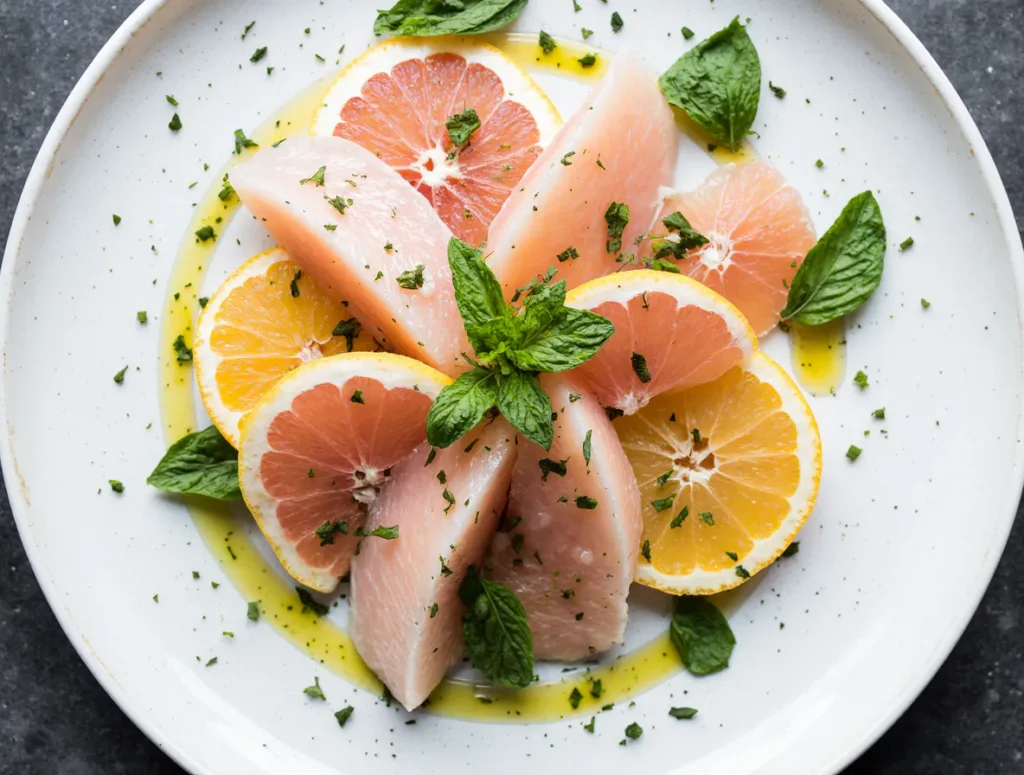
Ingredients:
- 1 lb Albacore Tuna loin
- 1 Grapefruit (segmented)
- 1 Orange (segmented)
- Fresh Mint and Basil, torn
- Avocado oil (lighter than olive oil)
Method:
Slice the soft albacore gently. Arrange on a plate alternating with citrus segments. The sweetness of the orange and bitterness of the grapefruit cut through the richness of the albacore tuna crudo. Drizzle with avocado oil and scatter fresh herbs. This looks like a tuna crudo carnival on a plate with all the bright colors.
10. Global Variations and Pairings
The concept of raw fish spans the globe.
Japanese Influence
While crudo japanese style is sashimi, the modern fusion “Carpaccio” often found in Japanese restaurants is essentially a crudo. They might use ponzu instead of lemon and olive oil.
Latin Influence
In Mexico and Peru, atun crudo might be served with tostadas and avocado. It bridges the gap between tiradito and crudo.
Wine Pairing
What do you drink with a fish crudo?
- Sparkling Wine: Prosecco cuts through the oil.
- Crisp Whites: Sauvignon Blanc or Vermentino.
- Rosé: Perfect for yellowfin tuna crudo.
If you are planning a full dinner party and need a main course after your light appetizer, you might want to switch proteins. For excellent poultry ideas, check out My Chicken Recipes to find the perfect follow-up dish.
11. Frequently Asked Questions
Q: What is tuna crudo vs sashimi? A: Sashimi is plain raw fish served with dipping sauce. Tuna crudo is raw fish that is dressed with oil, acid, and seasoning before it hits the table.
Q: Can I use frozen tuna? A: Yes! In fact, for raw tuna dishes, frozen is often safer as it kills parasites. Just ensure it is high quality.
Q: How long can crudo sit out? A: Not long. It should be eaten within 20 minutes of plating. Crudo recipes are about freshness.
Q: Is “crudo” only tuna? A: No. You can make wahoo crudo, scallop crudo, or salmon crudo. However, tuna crudo is the most popular due to the fish’s texture.
Q: What is the best garnish for crudo? A: It depends on the fish. For yellowfin tuna crudo, capers and lemon are classic. For albacore crudo, try pickled onions.
Q: Is it safe to make at home? A: Yes, if you buy from a reputable fishmonger and ask for fish suitable for raw consumption.
Deep Dive: The Science of Texture in Crudo
When you are mastering a crudo recipe, you are acting as a food scientist. The interaction between the fat of the oil and the protein of the fish creates a mouthfeel that is distinct from cooked fish.
In ahi tuna crudo, the meat is dense. The olive oil lubricates the fibers, making them slide against each other, perceived by the tongue as tenderness. In albacore crudo, the meat is already soft, so you add crunchy salt to provide contrast.
The acid (lemon or vinegar) begins to denature the proteins on the surface of the fish crudo. This turns the outside slightly opaque. This is why you dress it last. If you dress it an hour early, you are making ceviche, not crudo. The distinction is subtle but vital for the true italian crudo experience.
Sourcing the “Catch”
If you live inland, you might wonder how to get fish for crudo. Modern flash-freezing technology means that someone in the Midwest can have yellowfin crudo just as good as someone in Sicily.
Look for “Superfrozen” tuna (frozen at -60°C). This preserves the cell structure. When thawed, it releases less liquid (drip loss) and retains the firm texture needed for crudo recipes. Whether it is big eye tuna crudo or standard yellowfin, the freezing method matters more than the location of the catch.
Plating: Eating with Your Eyes
A crudo plate is a visual medium.
- Use a white plate to make the red raw tuna pop.
- Use negative space. Do not clutter the plate.
- Drizzle oil in a circular motion for a professional look.
- Garnish with odd numbers (3 capers, 5 microgreen leaves) which is visually more appealing.
Nutritional Benefits
Raw tuna is a powerhouse of nutrition.
- High Protein: Essential for muscle repair.
- Omega-3s: Ahi tuna crudo is loaded with heart-healthy fats.
- Low Carb: It is naturally keto and paleo-friendly.
- Vitamins: Rich in Vitamin B12 and Selenium.
Eating raw tuna dishes is not just indulgent; it is incredibly healthy.
Conclusion: Mastering the Raw
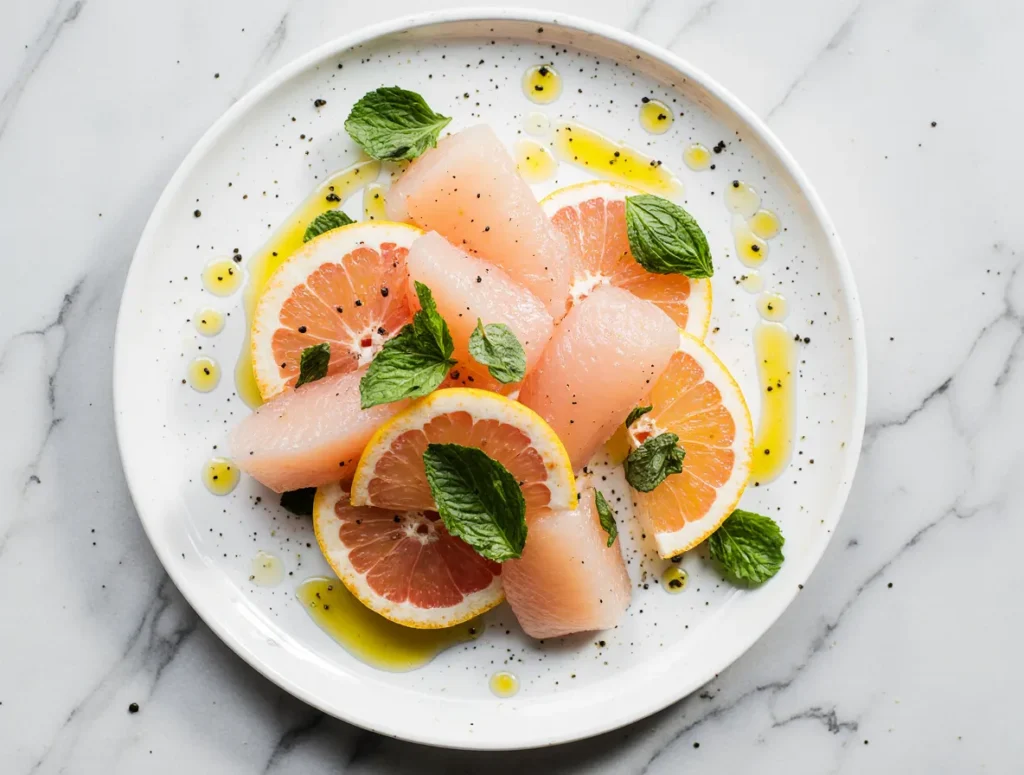
We have covered the spectrum of the tuna crudo. From the robust bluefin tuna crudo to the delicate albacore crudo, and the everyday reliable yellowfin tuna crudo.
You now know that a tuna crudo recipe is not really a recipe, but a philosophy. It is a philosophy of “less is more.” It is about respecting the raw tuna, finding the best olive oil you can afford, and slicing with intention.
Whether you are serving a sicilian crudo with blood oranges in the winter or a light ahi crudo with lime in the summer, you have the tools to succeed. So, go to your fishmonger. Ask for their best cut. Sharpen your knife. And prepare to enjoy one of the culinary world’s greatest treasures.
The next time someone asks “what is tuna crudo?”, you won’t just tell them; you will show them with a perfect plate of fish crudo.
Bon Appétit!
More Ideas for Your Kitchen
Once you have mastered the appetizer course with this crudo recipe, you’ll need to think about the rest of the meal. While we love seafood, variety is the spice of life. For incredible main courses that the whole family will love, don’t forget to visit My Chicken Recipes for inspiration on roasting, grilling, and frying your way to a perfect dinner.
(Note: Always consume raw seafood at your own risk and ensure you are sourcing from trusted suppliers to avoid foodborne illness.)
Expanded Recipe Ideas for the Adventurous Cook
If you have mastered the basics above, here are three more micro-recipes to help you utilize the keywords and expand your repertoire.
1. Truffle and Mushroom Big Eye Tuna Crudo
Big eye tuna crudo has a high fat content that stands up well to earthier flavors.
- Slice: Big Eye Tuna.
- Dress: Truffle oil mixed with mild olive oil.
- Top: Shaved raw cremini mushrooms and parmesan. This is a very tuna crudo north italia style preparation, leaning into the ingredients of the Piedmont region.
2. The “Burrata Fish” Hybrid
This is trending in modern bistros.
- Base: Smear a layer of creamy Stracciatella or Burrata cheese on the plate.
- Fish: Lay slices of yellowfin tuna crudo on top of the cheese.
- Finish: Tomato confit and basil oil. The creaminess of the cheese mimics the fat of a higher-end tuna, making a standard yellowfin crudo taste like premium belly meat.
3. Wahoo Crudo with Pineapple
Wahoo crudo (also known as Ono) is a white, firm fish often found alongside tuna.
- Slice: Wahoo very thin.
- Dress: Lime juice and chili oil.
- Top: Finely diced pineapple and cilantro. This plays on the “al pastor” flavor profile but in a crudo seafood format.
Final Thoughts on Equipment
You do not need a kitchen full of gadgets for crudo recipes, but a few things help.
- Mandoline: For slicing radishes or fennel paper-thin to go on top of your crudo fish.
- Microplane: For zesting citrus over your ahi tuna crudo.
- Tweezers: For placing that single piece of chive perfectly on your tuna crudi.
By paying attention to these small details, your raw tuna appetizer transforms from a simple snack into a work of art. The journey of learning how do i cook beef chuck steak might take hours of braising, but the journey of tuna crudo takes only minutes of precision. Enjoy the process.