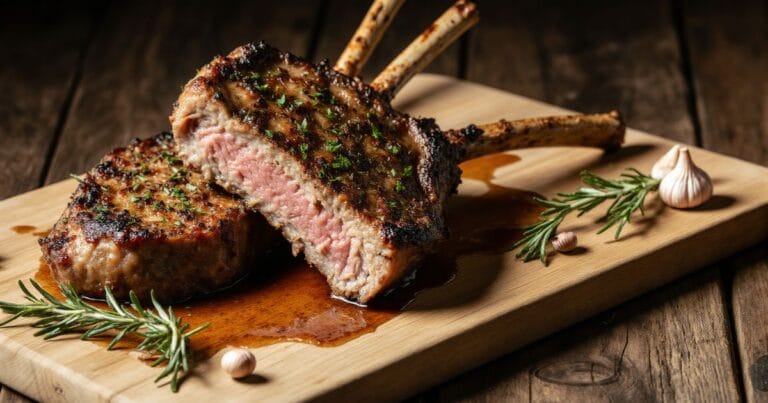
10 Steps to the Perfect Sous Vide Steak: The Ultimate Guide to Texture and Flavor
Table of Contents
Introduction
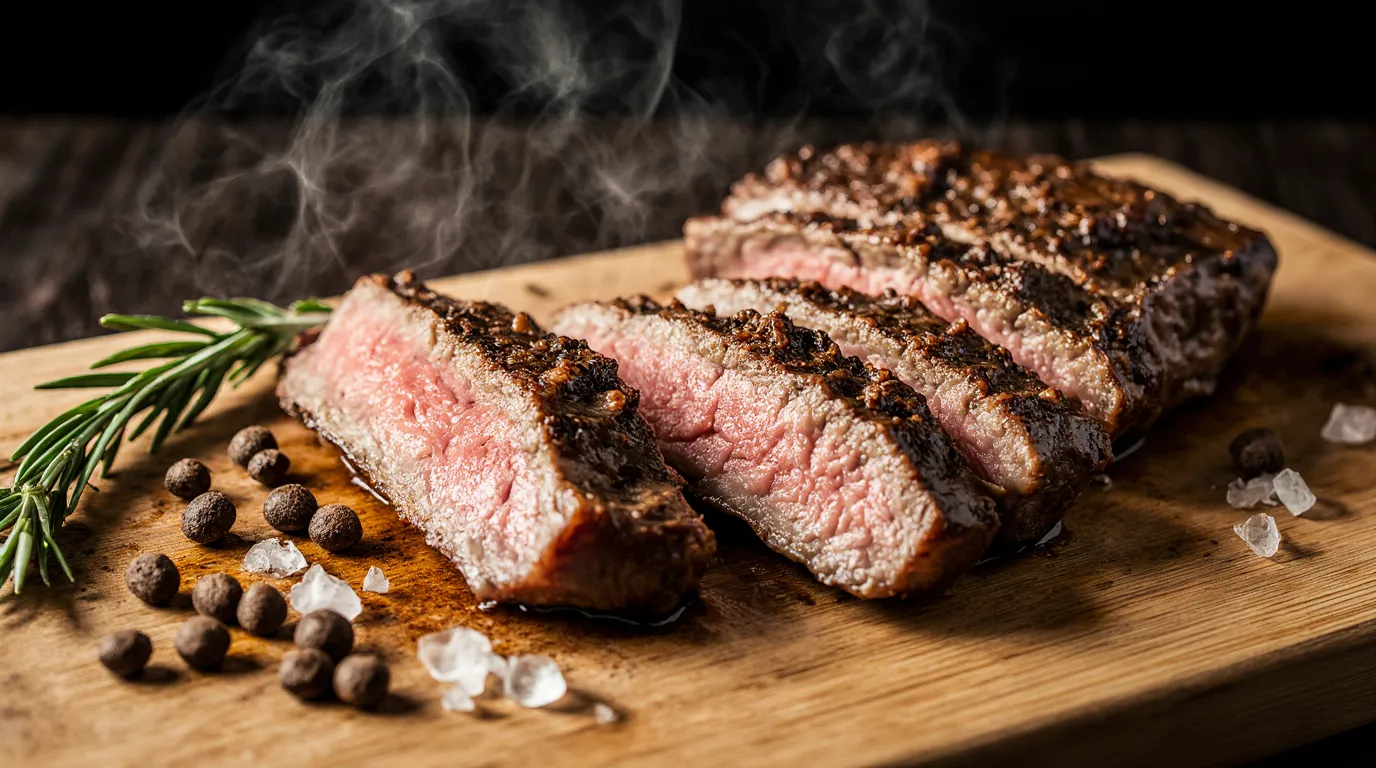
If you have ever dreamt of cutting into a steak that is edge-to-edge pink, incredibly tender, and bursting with flavor, you are looking for the magic of sous vide steak. Gone are the days of poking meat with your finger to guess doneness or slicing into a grey, overcooked ring of disappointment.
Cooking a sous vide steak changes the game entirely. By utilizing precise temperature control, you eliminate the guesswork, ensuring that your expensive cuts of beef are treated with the respect they determine. Whether you are a home cook looking to impress a date or a BBQ enthusiast wanting to refine your technique, this guide covers everything you need to know.
In this massive 5,000-word guide, we are going to deep dive into the science, the equipment, and the exact steps to master the sous vide steak recipe that will make you a legend in your own kitchen.
What is Sous Vide Cooking?
Before we fire up the water bath, let’s understand the technique. “Sous vide” is French for “under vacuum.” It refers to the process of vacuum-sealing food in a bag and cooking it to a very precise temperature in a water bath.
When you cook a sous vide steak, you are cooking it to the exact temperature you want it to be when you eat it. If you want a medium-rare steak at 130°F (54°C), you set your water to 130°F. The steak will never get hotter than that, meaning it is impossible to overcook the interior.
Why Sous Vide Steak is Superior
- Consistency: The result is reproducible every single time.
- Texture: You can turn tough cuts into tender masterpieces.
- Flexibility: A sous vide steak can stay in the water bath for an extra hour without ruining the meat, giving you flexibility with serving times.
- Edge-to-Edge Doneness: No “bullseye” gradient where the outside is well-done and only the very center is rare.
Equipment You Need for Sous Vide Steak
To execute the best sous vide steak recipe, you need a few key tools.
1. The Immersion Circulator
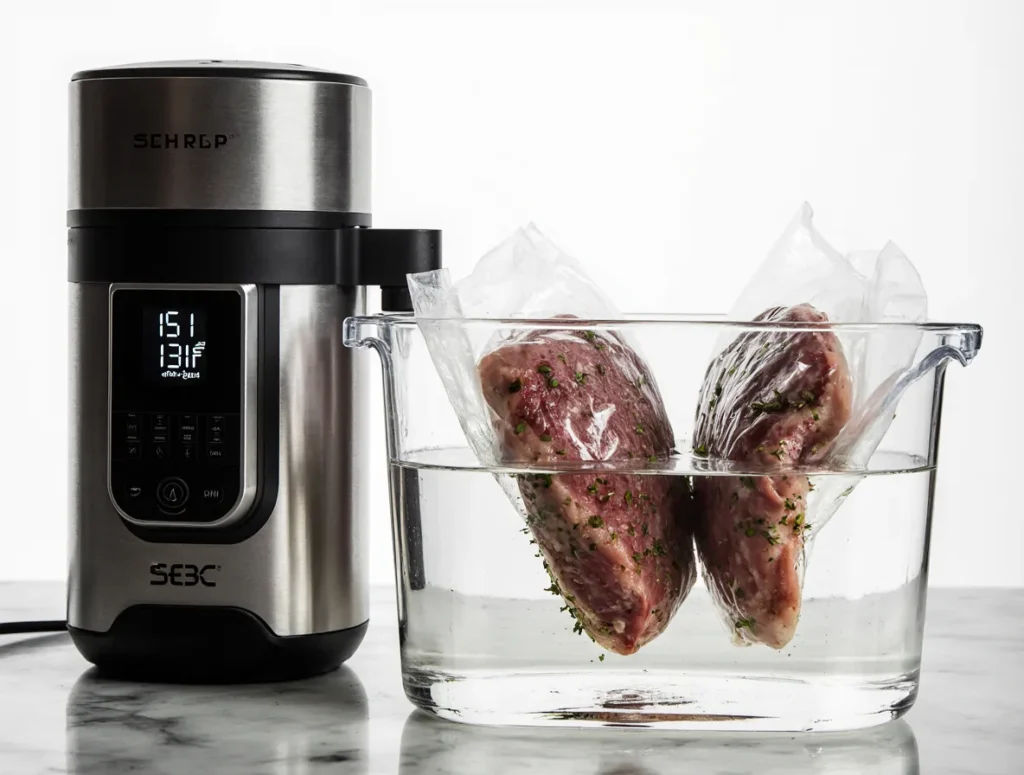
This is the engine of the operation. Brands like Anova or Joule are popular. This device heats the water and circulates it to ensure an even sous vide steak temp throughout the container.
2. The Container
You can use a large stockpot, but a polycarbonate container (often called a Cambro) is preferred for better heat retention.
3. Packaging
- Vacuum Sealer: The gold standard. It removes all air, keeping the steak submerged and enhancing marinade penetration.
- Ziploc Bags: You can use the water displacement method if you don’t have a vacuum sealer.
4. Cast Iron Skillet
After the bath, the steak will look grey and unappealing. You need a screaming hot pan to sear it. Cast iron is best for this.
Selecting the Right Cut: From Ribeye to Flank
Not all steaks are created equal, and they behave differently in the water bath.
The King: Sous Vide Ribeye Steak
The ribeye is a favorite for sous vide because of its high fat content. When you cook a sous vide ribeye steak, that intramuscular fat renders slowly, bathing the meat in flavor. Because ribeye has significant fat, it often benefits from a slightly higher temperature than leaner cuts to help that fat render. We will discuss specific temps later, but a sous vide ribeye steak at 137°F is a cult favorite in the community.
The Lean Machine: Sous Vide Flank Steak
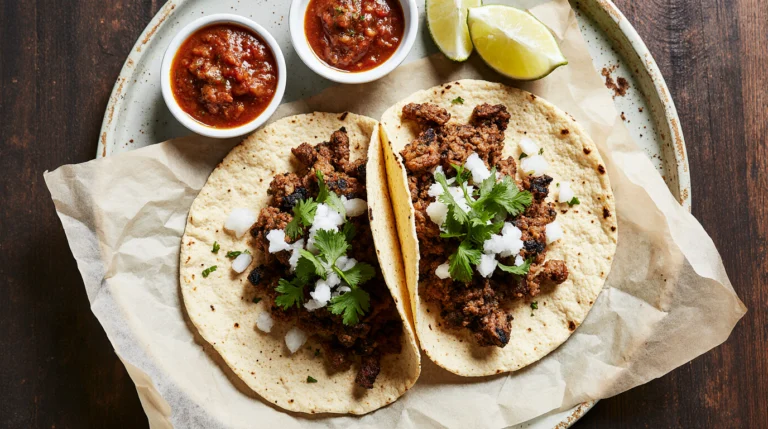
Flank steak is delicious but can be tough and fibrous if grilled incorrectly. However, a sous vide flank steak is a revelation. The long cooking time breaks down the connective tissue without drying out the meat. If you have avoided this cut in the past, try a sous vide flank steak for your next taco night; it is a game-changer.
The Classics: Sirloin, Strip, and Filet
- Sous vide sirloin steak is a great budget-friendly option that tastes high-end after a long bath.
- Sous vide strip steak (or New York Strip) offers a great balance of flavor and tenderness.
- Sous vide new york steak preparations are very similar to ribeyes but can handle slightly lower temperatures.
The Ultimate Sous Vide Steak Temp Guide
This is perhaps the most critical section. Your sous vide steak temp determines the doneness. Unlike a grill, where time determines doneness, in sous vide, temperature determines doneness.
Here is a breakdown of steak sous vide temp ranges:
- Blue Rare: 120°F – 128°F (49°C – 53°C)
- Texture: Soft, cold center, nearly raw.
- Rare: 129°F – 134°F (54°C – 57°C)
- Texture: Tender, bright red, classic steakhouse preference.
- Medium-Rare: 135°F – 144°F (57°C – 62°C)
- Texture: The sweet spot for many. The fat begins to render better here, which is why a sous vide ribeye steak shines at the upper end of this range.
- Medium: 145°F – 155°F (63°C – 68°C)
- Texture: Pink, firm, drier.
- Well Done: 156°F+ (69°C+)
- Texture: Brown, firm. (Though sous vide keeps it moister than grilling).
External Resource: For a detailed safety chart on pasteurization, you can refer to the FDA food safety guidelines.
Why 137°F for Ribeye?
There is a massive debate online regarding sous vide ribeye steak. Many enthusiasts swear by 137°F. Why? Because at this specific sous vide steak temp, the distinct eye of fat renders perfectly, losing its waxy texture, yet the meat remains a beautiful rosy medium.
Time: How Long to Sous Vide Steak?
One of the most common questions is how long to sous vide steak? The answer depends on the thickness and the cut.
Thickness Matters
For a standard 1-inch to 1.5-inch steak:
- Minimum: 1 hour. This ensures the center reaches the water temperature.
- Ideal: 2 to 3 hours. This allows fat rendering and tenderization.
- Maximum: 4 hours. Beyond this, the texture can become mushy (livery).
So, generally, how long to sous vide steak? Aim for 2 hours for the best balance.
Tougher Cuts require more time
If you are cooking a sous vide flank steak, you might want to push that time to 12 or even 24 hours. How long to sous vide a steak that is full of connective tissue? Longer is better. The collagen needs time to break down into gelatin.
Can You Cook It Too Long?
Yes. While you can’t “overcook” it in terms of temperature, you can ruin the texture. If you ask how long sous vide steak can stay in the bath, try not to exceed 4 hours for tender cuts like Filet Mignon or sous vide strip steak.
The Master Sous Vide Steak Recipe (Step-by-Step)
Here is the definitive sous vide steak recipe you should follow.
Step 1: Prep the Water Bath
Set your immersion circulator to your desired temp. For this recipe, we will aim for a perfect medium-rare, so set it to 131°F (55°C).
Step 2: Season the Meat
Season your steak generously with salt and pepper. You can add garlic powder or fresh herbs like rosemary and thyme. Tip: Avoid putting butter in the bag. It actually draws flavor out of the meat. Save the butter for the sear.
Step 3: Seal
Place the steak in the bag. If using a vacuum sealer, seal it tight. If using Ziploc, use the water displacement method to remove the air.
Step 4: The Bath
Drop the bag in the water. Ensure it is fully submerged.
- How long to sous vide a ribeye steak? 2 to 3 hours.
- How long to sous vide a steak like a Sirloin? 1.5 to 2 hours.
Step 5: Remove and Dry
This is the secret to a good crust. Remove the steak from the bag. It will look unappealing. Pat it completely dry with paper towels. Moisture is the enemy of the sear.
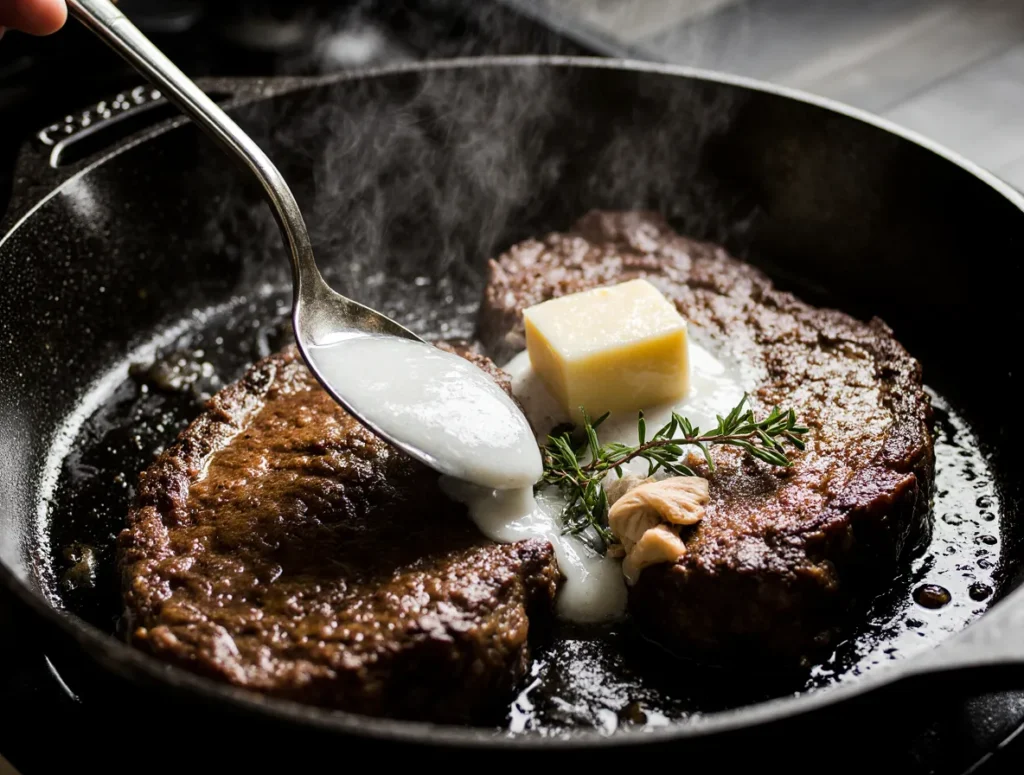
Step 6: The Sear
Heat your cast iron skillet until it is smoking hot. Add high-smoke point oil (avocado or grapeseed). Lay the steak in away from you. Sear for 60 seconds per side.
Step 7: Baste
In the last 30 seconds, toss in butter, garlic cloves, and herbs. Spoon the foaming butter over the steak.
Step 8: Rest (Optional)
Unlike traditional cooking, sous vide steak doesn’t require a long rest, but giving it 5 minutes helps the surface cool slightly so juices thicken.
Cooking From Frozen: The Ultimate Convenience
One of the miracles of this method is the ability to cook sous vide frozen steak. You come home from work, grab a rock-hard steak from the freezer, and throw it straight into the bath.
Can You Sous Vide Frozen Steak?
Yes, absolutely. Can you sous vide frozen steak without thawing? It is actually safer than thawing on the counter. You just need to adjust your timing.
How Long to Sous Vide Frozen Steak?
The general rule for sous vide frozen steak is to add 50% to the cooking time. If a fresh steak takes 1 hour, a frozen one takes 1.5 hours. So, how long to sous vide frozen steak? Aim for a minimum of 1.5 to 2 hours to ensure the center thaws and reaches temperature.
Deep Dive: Different Cuts and Their Needs
Let’s look at specific nuances for different cuts to ensure you get the best result every time.
Sous Vide NY Strip Steak / Strip Steak Sous Vide
The New York Strip is a steakhouse classic. When preparing sous vide ny strip steak, you want to preserve its firm, pleasant chew.
- Temp: 130°F.
- Time: 2 hours.
- Sear: Make sure to sear the fat cap on the side. Strip steak sous vide has a thick band of fat that needs to be rendered crispy.
Beef Sirloin Steak Sous Vide
Sirloin is leaner. Beef sirloin steak sous vide benefits greatly from lower temperatures (129°F) to prevent it from drying out, as it lacks the internal marbling of a ribeye.
Sous Vide Skirt Steak
Similar to flank, sous vide skirt steak is long and flat. It is incredible for fajitas. Cook it at 132°F for 12 to 24 hours. The transformation from “chewy” to “melt-in-your-mouth” is astonishing.
Troubleshooting Common Issues
Even with the best sous vide steak recipe, things can go wrong.
1. The Bag Floats
This happens if there is air in the bag or gases are released during cooking. Use a heavy clip or a dedicated sous vide weight to keep the sous vide steak submerged.
2. The Sear is Weak
If your steak looks grey after searing, your pan wasn’t hot enough, or the steak wasn’t dry enough. Remember, how to sous vide steak properly involves drying the meat thoroughly before it hits the pan.
3. The Meat is Mushy
You likely cooked it too long. How long to sous vide steak is a limit, not a target. If you leave a tenderloin in for 10 hours, it will lack texture.
Advanced Searing Techniques
While cast iron is standard, there are other ways to finish your sous vide steak.
The Mayo Sear
It sounds strange, but brushing a thin layer of mayonnaise on your steak before searing creates an incredible crust. The egg protein browns beautifully.
The Torch
A kitchen torch (or a high-power torch like a Searzall) allows you to sear the nooks and crannies of a sous vide ribeye steak without raising the internal temperature.
The Grill
Finish your sous vide steak on a charcoal grill for that smoky flavor. Just ensure the coals are white-hot so you sear quickly without cooking the inside further.
Seasoning and Marinades
Because sous vide steak cooks in a sealed environment, flavors can be intensified.
Dry Brining
Salting your steak and letting it sit in the fridge for 24 hours before vacuum sealing is the best way to ensure deep flavor penetration.
Fresh Herbs vs. Dried
Fresh herbs work best in the bag. A sprig of rosemary in with your sous vide flank steak will infuse the meat with an herbal aroma that penetrates deep into the fibers.
Liquid Marinades
If you use a liquid marinade, you must use a chamber vacuum sealer or the water displacement method (standard suction sealers will suck out the liquid).
Serving Suggestions and Sides
You have cooked the perfect meat, now what?
Sauces
A sous vide steak is often so good it doesn’t need sauce, but a Chimichurri works wonders with sous vide flank steak, and a Peppercorn sauce is classic for sous vide new york steak.
Side Dishes
Potatoes are the classic pairing. Whether mashed, roasted, or fried, they complement the beef. However, if you are planning a large dinner party and need alternative protein options for guests who don’t eat red meat, or perhaps you want to meal prep for the week, check out some incredible poultry options at My Chicken Recipes. They offer great ideas that can even be adapted for sous vide cooking!
FAQ: Rapid Fire Answers
Here are quick answers to the specific questions you might have about how to sous vide a steak.
Q: How to sous vide a steak for maximum tenderness? A: Choose a well-marbled cut like ribeye and cook it for at least 2 hours.
Q: How to sous vide steak if I don’t have a vacuum sealer? A: Use high-quality freezer Ziploc bags and the water displacement method.
Q: How long to sous vide steak for well-done lovers? A: It pains us to say, but cook it at 156°F. It will still be juicy, unlike traditional well-done methods.
Q: Can I chill the steak before searing? A: Yes! Actually, putting the bag in an ice bath for 10 minutes before searing helps prevent the internal temperature from rising during the sear. This is a pro tip for the perfect sous vide steak.
The Science of Collagen and Fat Rendering
To truly master the sous vide steak recipe, one must appreciate what happens chemically.
Meat is muscle. Muscle is made of fibers and connective tissue (collagen). When you cook a sous vide ribeye steak, the heat causes the muscle fibers to contract and squeeze out moisture. However, the heat also breaks down collagen into gelatin.
The Temperature Sweet Spot
At temperatures above 130°F, collagen breakdown begins. This is why how long to sous vide steak is vital. If you cook a tough cut for a short time, the collagen remains tough. If you cook it long enough, it turns to gelatin, lubricating the muscle fibers and creating that silky mouthfeel.
This is why sous vide flank steak (high collagen) needs more time than sous vide new york steak (lower collagen).
Comparing Sous Vide to Reverse Sear
The “Reverse Sear” is the closest rival to sous vide. It involves cooking the steak low and slow in an oven, then searing.
- Sous Vide Pros: More precise, impossible to overcook, set-and-forget.
- Reverse Sear Pros: Better dried surface for searing, faster for thin steaks.
For the absolute best texture control, sous vide steak wins. For a slightly better crust without the hassle of water bags, reverse sear is a strong contender.
Why You Should Try Sous Vide Flank Steak Today
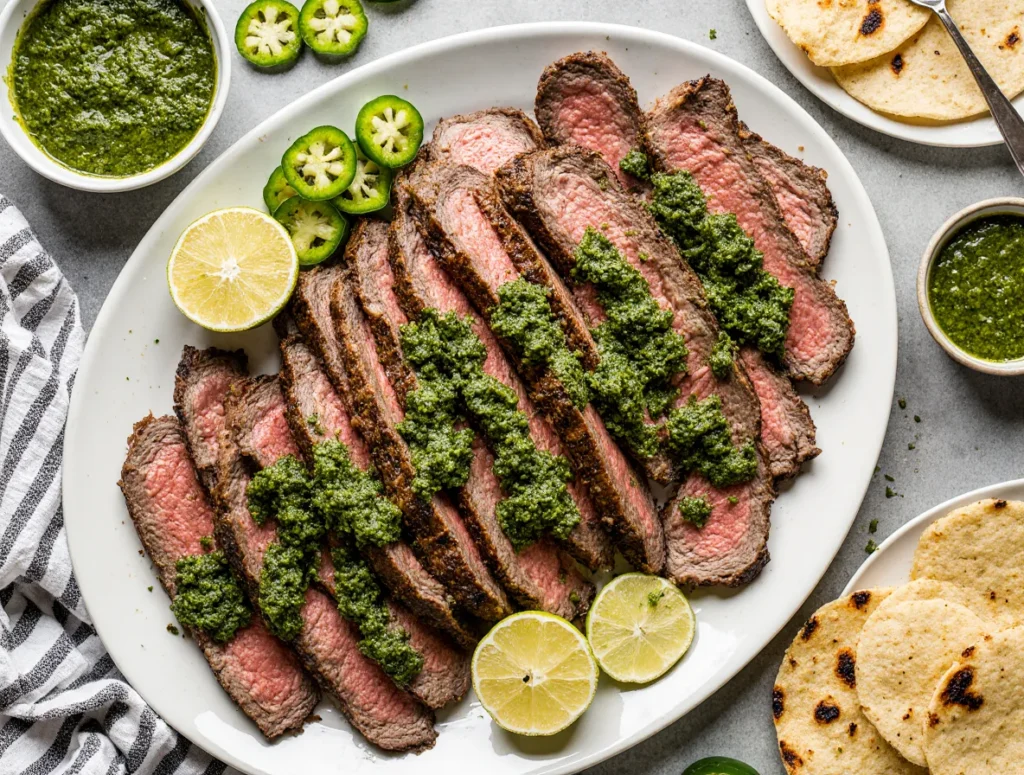
I want to highlight sous vide flank steak again because it is the most improved cut using this method. Flank is traditionally grilled hot and fast, often resulting in a chewy experience.
By processing sous vide flank steak at 131°F for 24 hours, you get a texture that rivals Prime Rib. It is an economical way to eat like a king. Slice it against the grain and serve it with tortillas or over a salad.
Recap: The Golden Rules of Sous Vide Steak
- Trust the Temp: Your sous vide steak temp is the bible. Don’t guess.
- Dry Before You Fry: You cannot sear wet meat.
- Fat Needs Heat: A sous vide ribeye steak needs 135°F-137°F to render that fat.
- Time is Texture: How long to sous vide steak changes the “bite” of the meat.
- Safety First: If cooking below 130°F, do not cook for longer than 2.5 hours to avoid bacterial growth.
Conclusion: You Are Now a Sous Vide Master
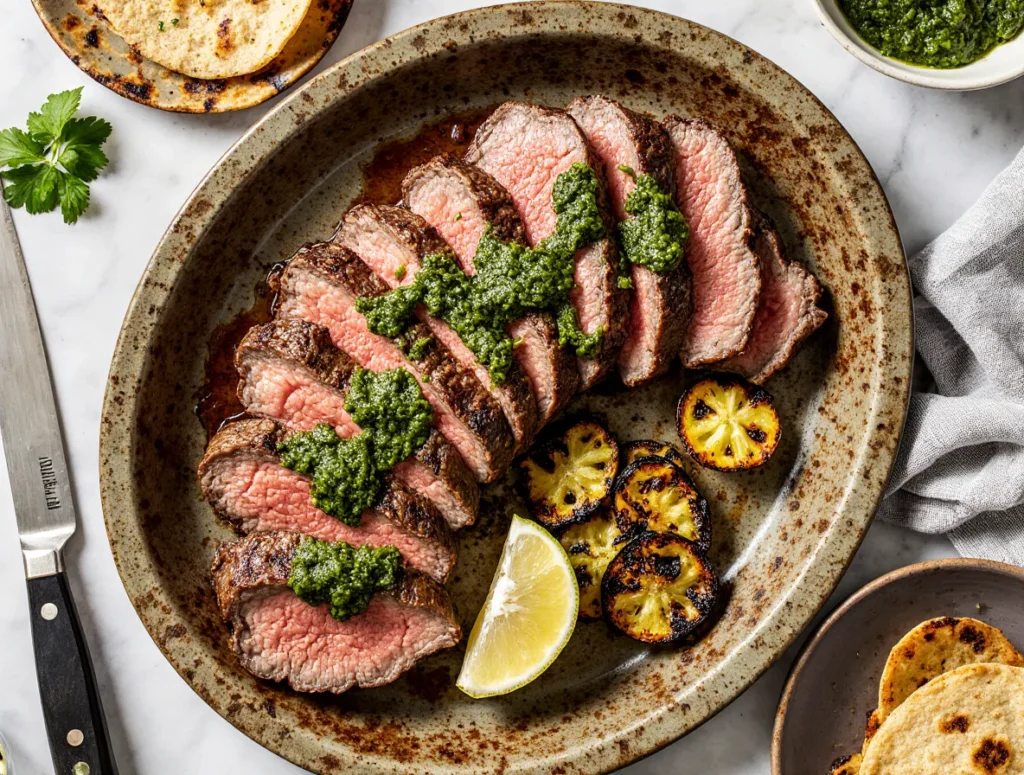
You now possess the knowledge to cook the perfect sous vide steak. You understand the nuances of sous vide ribeye steak, the patience required for sous vide flank steak, and the convenience of tossing a sous vide frozen steak into the bath after a long day.
Cooking is an art, but sous vide brings the science. By controlling the variables of time and temperature, you free yourself to focus on creativity, side dishes, and the company of your guests.
So, go buy a thick cut of beef. Set up your circulator. Follow this sous vide steak recipe. When you take that first bite, and the juice runs down your chin, and the meat melts on your tongue, you will know that the effort was worth it.
Ready to expand your culinary horizons further? Don’t forget to visit My Chicken Recipes for more inspiration on protein perfection.
Happy Cooking!