The Ultimate Tsukemen Guide: 5 Steps to the Perfect Dipping Noodle Experience
Table of Contents
Introduction
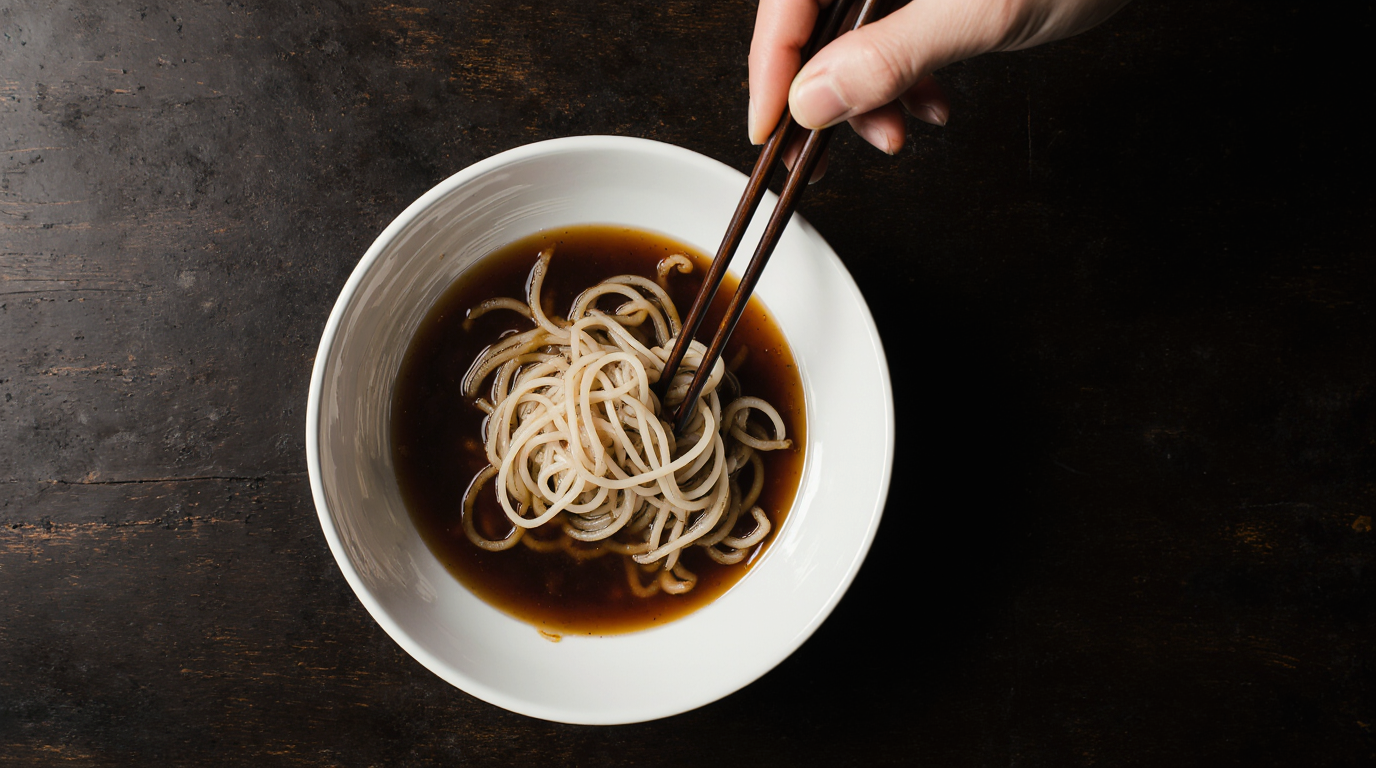
For ramen lovers seeking a more intense and interactive meal, tsukemen offers a thrilling twist on the classic bowl. This dish, whose name literally means “dipping noodles,” turns the familiar ramen format inside out. Instead of noodles served in a bowl of soup, a plate of chilled, thick noodles is served separately from a bowl of rich, concentrated broth. You then dip the noodles into the broth before each flavorful bite. This method creates a dynamic dining experience where you control the flavor intensity and enjoy the noodles’ perfect, chewy texture from start to finish.
Since its creation in Tokyo in the 1960s, tsukemen has evolved into a global phenomenon, with dedicated specialty shops appearing from Los Angeles to New York. Whether you’re wondering “what is tsukemen”, searching for the best tsukemen Tokyo has to offer, or looking to craft a tsukemen recipe at home, this comprehensive guide will take you through every step to master this beloved dish. We’ll decode its history, show you how to eat tsukemen like a pro, and guide you to iconic spots like Tsukemen Gonokami Seisakusho Shinjuku and Okiboru House of Tsukemen.
What Is Tsukemen? Demystifying Japan’s Dipping Noodle Sensation
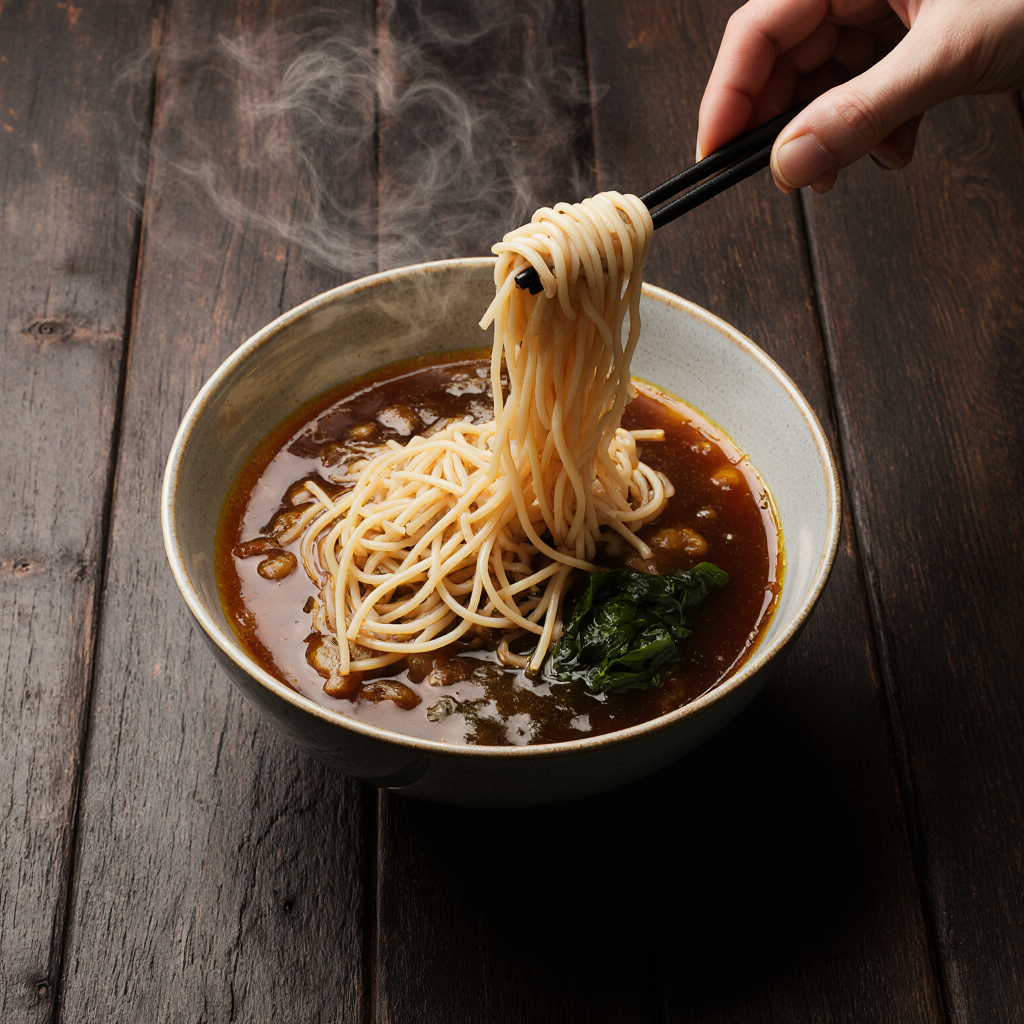
At its core, tsukemen is a deconstructed ramen experience. The key components—noodles, broth, and toppings—are separated, transforming how you interact with the food. Here’s what makes it unique:
- The Noodles: Tsukemen noodles are typically thicker, chewier, and have more surface area than standard ramen noodles. They are boiled and then cooled, a process that tightens their texture, making them pleasantly springy and firm. This “thick noodle ramen” is essential for carrying the robust broth.
- The Broth: The tsukemen broth is the flavor powerhouse. It’s simmered for hours and heavily concentrated, resulting in a deeply savory, salty, and rich dipping sauce. It’s intentionally too strong to drink on its own but perfect for coating noodles.
- The Experience: You actively participate in your meal by dipping each bite. This ritual, involving dipped noodles or dipped ramen, ensures the noodles never get soggy and allows you to adjust the flavor with each dip.
The beauty of tsukemen lies in this contrast: the cool, firm noodles against the intensely hot and flavorful broth creates a satisfying sensory play that keeps every bite interesting.
A Brief History: From Staff Meal to Global Craze
The story of tsukemen begins not with a master chef’s grand plan, but with a practical staff meal. In the 1950s, Kazuo Yamagishi, the owner of Taishoken ramen shop in Tokyo, noticed his employees eating leftover cold noodles by dipping them into hot soup flavored with soy sauce. Inspired by this, he formalized the concept and began serving it to customers.
Originally called “mori soba,” the dish was an instant hit. Its popularity surged in the 1970s and again in the early 2000s, when shops began innovating with even thicker, richer broths. Today, it stands as a pillar of Japanese noodle culture, with endless regional and creative variations, from tsukemen Tao‘s modern takes to the classic styles at Tsukemen Yasubee.
Tsukemen vs. Ramen: Understanding the Key Differences
While they share ingredients, tsukemen vs ramen is a classic comparison of two distinct experiences. Understanding the difference helps you know what to order and how to enjoy it.
How to Eat Tsukemen: A 5-Step Guide to the Perfect Bite
If you’re unsure how to eat tsukemen, follow these steps to enjoy it like a local and avoid a messy experience.
Step 1: Gather and Dip
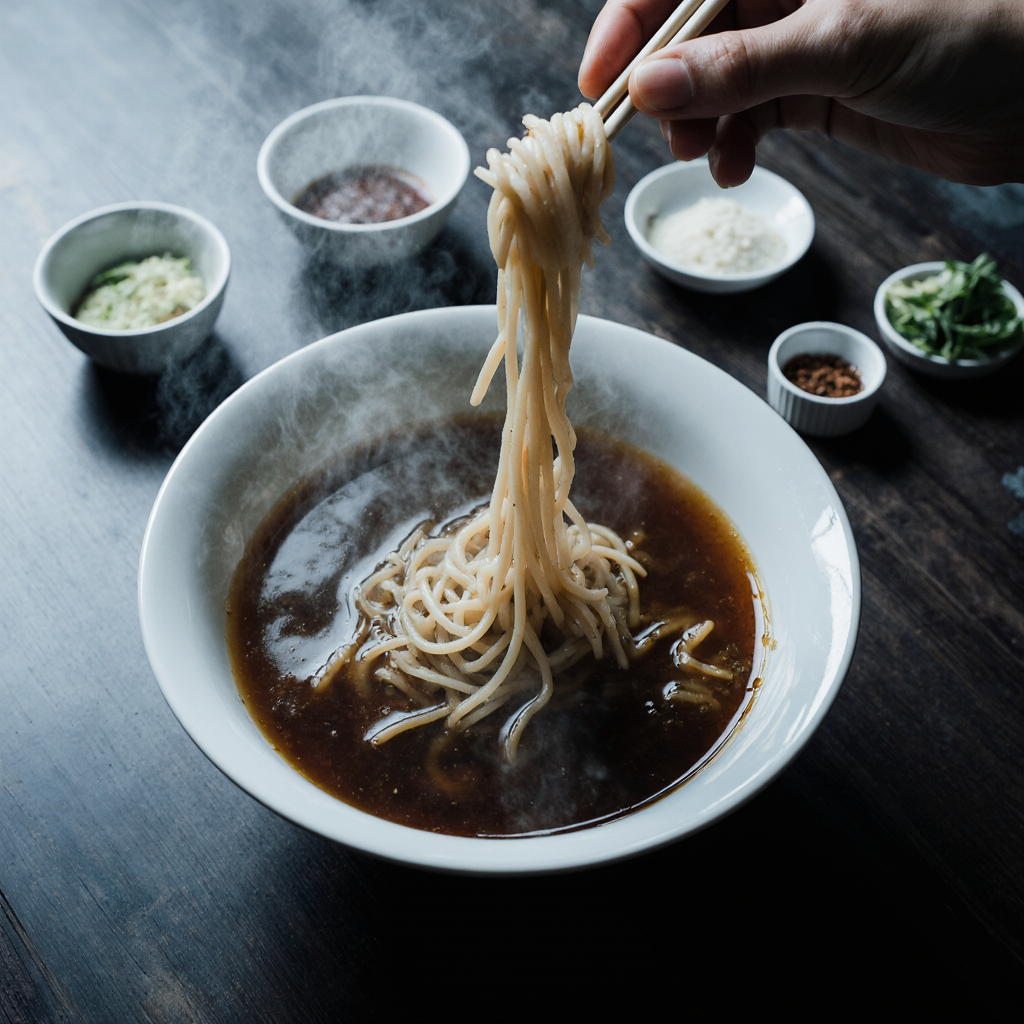
Using your chopsticks, pick up a small bundle of the cold noodles—about one or two mouthfuls. Submerge them about halfway into the hot dipping broth, swirling gently to coat them thoroughly.
Step 2: Slurp with Gusto
Bring the coated noodles directly to your mouth and slurp! In Japanese noodle culture, slurping is encouraged as it aerates the noodles and enhances the flavors.
Step 3: Enjoy the Toppings
Pick up toppings like chashu pork, a slice of fish cake, or bamboo shoots with your chopsticks and dip them into the broth before eating. The marinated soft-boiled egg (ajitama) is a particular highlight.
Step 4: Customize Your Broth
Most shops provide condiments like garlic paste, chili oil, vinegar, or grated ginger. Feel free to add these to your dipping broth throughout the meal to change and intensify the flavor to your liking.
Step 5: Finish with Soup Wari
Once you’ve finished the noodles, you likely have concentrated broth left. This is when you ask for “soup wari.” The staff will provide a light dashi or hot water to mix with your remaining broth, diluting it into a delicious, drinkable soup that concludes the meal perfectly.
Where to Find the Best Tsukemen: From Tokyo to Your Town
The hunt for incredible tsukemen is a delicious adventure. Here are iconic destinations and tips for finding great dipping noodles near me.
Tokyo’s Temple of Tsukemen
Tokyo is the undisputed homeland of tsukemen. A pilgrimage should include the historic Higashi-Ikebukuro Taishoken, the shop where it all began. For a legendary rich “double soup” broth, join the line at Fuunji in Shinjuku. Other top-tier shops include Menya Itto, consistently ranked among Japan’s best, and Ginza Obrozuki, known for its ultra-thick noodles and smoky chashu. For a profoundly fish-forward bowl, seek out Niboshi Tsukemen Miyamoto.
Top Tsukemen in the United States
The tsukemen wave has firmly hit American shores. Here’s where to find it:
- Tsukemen NYC: The city boasts excellent options. Okiboru House of Tsukemen NYC has garnered acclaim (check Okiboru house of tsukemen reviews online) and securing an Okiboru house of tsukemen reservation is wise. You can also search for “best tsukemen nyc” to discover other hidden gems.
- Tsukemen Los Angeles: LA’s Sawtelle Japantown is home to the famed Tsujita Tsukemen, an institution known for its rich, pork-and-seafood broth. Ramen & Tsukemen Tao also offers a stellar version.
- Tsukemen San Diego: Head to the Convoy District for Rairaki Ramen & Tsukemen Convoy Street San Diego CA. Browse rakiraki ramen & tsukemen photos and study the rakiraki ramen & tsukemen menu to prepare for a fantastic meal.
- Other Cities: Explore the scenes in tsukemen San Francisco, tsukemen San Mateo (where Taishoken opened a US branch), and tsukemen ramen Seattle to find local favorites.
Pro Tip: Before visiting any restaurant, like Okiboru Tsukemen & Ramen or Menya Musashi Tsukemen & Ramen, look up their menu online. This helps you navigate options like noodle portion size (nami, chuu, dai) and special sets (tokusei).
How to Make Tsukemen at Home: A Simplified Recipe
Creating restaurant-quality tsukemen at home is a project, but deeply rewarding. This tsukemen recipe breaks down the process.
Ingredients You’ll Need:
- For the Broth: Pork bones (necks, femurs), chicken wings, dried sardines (niboshi), kombu (kelp), bonito flakes, soy sauce, mirin, sake.
- For the Noodles: Fresh thick ramen noodles (look for “futomen” or brands like Sun Noodle’s #18 thickness).
- For Toppings: Chashu pork (you can use store-bought or make your own), soft-boiled marinated eggs (ajitama), bamboo shoots (menma), nori, green onions.
Step-by-Step Instructions:
- Make the Broth Base (Day 1): Blanch pork and chicken bones to remove impurities. Add to a large pot with fresh water, charred onion, garlic, and ginger. Simmer vigorously for at least 8-12 hours. In the last hour, add kombu and niboshi. Turn off heat, add bonito flakes, and steep. Strain thoroughly and refrigerate overnight.
- Create the Dipping Sauce (Day 2): Skim the fat from your chilled broth. In a saucepan, combine 4-5 cups of the broth with soy sauce, mirin, and sake. Simmer until it reduces by about one-third to a rich, flavorful consistency. This is your tsukemen broth.
- Prepare Components: Cook the thick noodles according to package directions. Immediately rinse under cold water to stop cooking and create that perfect springy texture. Gently warm your chashu and prepare your other toppings.
- Assemble and Serve: Place a portion of cold noodles on one plate or in a bowl. Arrange toppings attractively around them. Heat the dipping sauce until very hot and pour it into a separate, deep bowl. Serve immediately, instructing everyone to dip, slurp, and customize!
- Enjoy the Finish: After the noodles are gone, offer hot water or a light chicken broth for soup wari, allowing everyone to enjoy the remaining sauce as a soup.
For a fantastic main course to pair with your homemade noodle adventures, explore the diverse and flavorful recipes at My Chicken Recipes, where you can find everything from teriyaki to karaage.
Answering Your Tsukemen Questions
- Is tsukemen served cold? The noodles are served cool or at room temperature, but the dipping broth is always served piping hot. Some shops offer “atsumori” style, with warm noodles.
- Can I drink the tsukemen broth? Not initially. It’s far too concentrated and salty. The proper way is to enjoy it diluted as soup wari at the meal’s end.
- What if I see tsukumen, tsukamen, or tsuke men on a menu? These are common misspellings or phonetic variations. They all refer to the same dish—tsukemen.
- What are common broth types? Beyond the standard tonkotsu-gyokai (pork-seafood), you might find niboshi-kei (dried sardine), miso-based, shio (salt), or even modern curry tsukemen.
Dive Into the World of Tsukemen
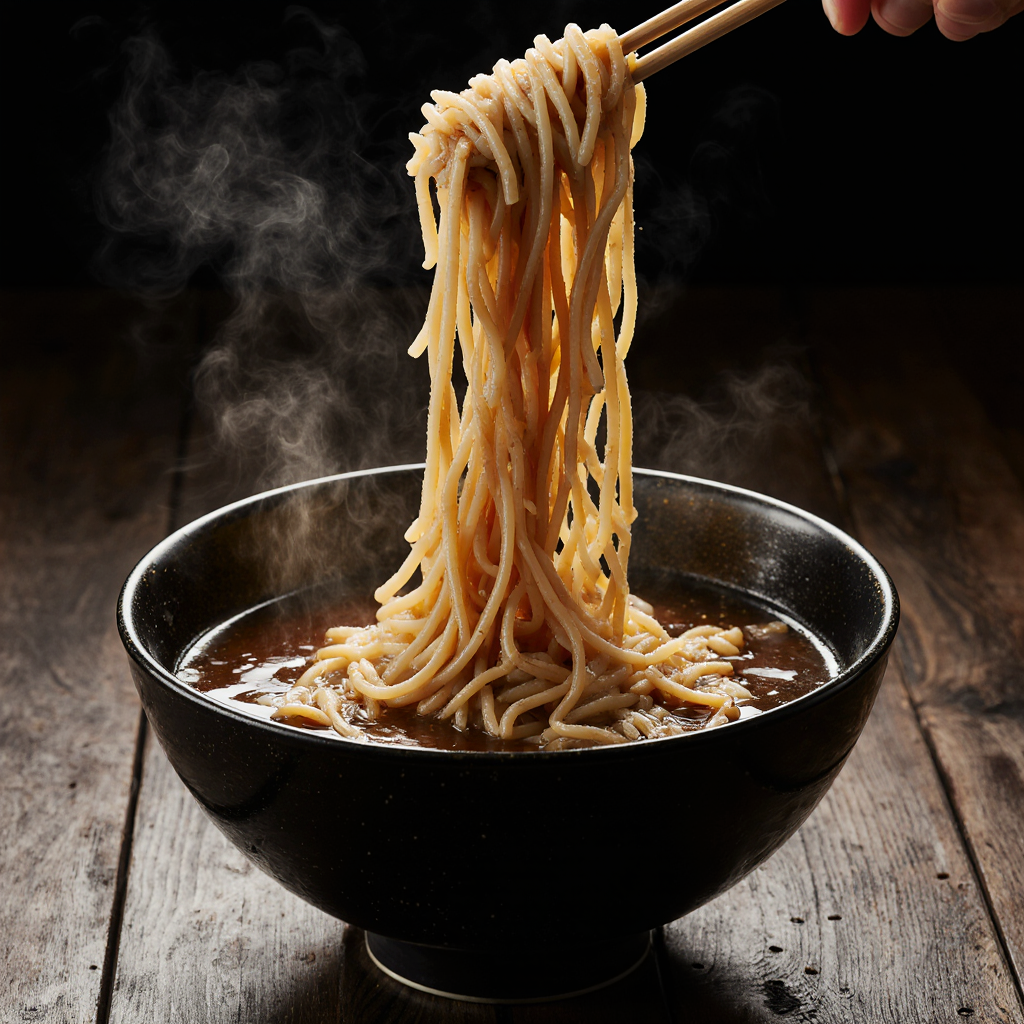
From its humble beginnings as a staff meal to its status as a globally sought-after culinary experience, tsukemen offers a uniquely engaging way to enjoy noodles. It celebrates texture, concentrated flavor, and the simple joy of a perfectly executed dip.
Whether you’re planning a trip to visit Tsukemen Gonokami Seisakusho in Tokyo, seeking out the best tsukemen ramen near me in your city, or gathering ingredients for a tsukemen ramen recipe at home, you’re now equipped with the knowledge to dive in. So grab your chopsticks, prepare to slurp, and discover why this interactive dish has captured the hearts—and appetites—of noodle lovers everywhere.