The 10 Steps to the Perfect French Fry Seasoning Recipe for Best Results
Table of Contents
Introduction
There is a universal language in the culinary world, and it speaks in the crunch of a perfectly cooked potato. However, texture is only half the battle. To truly elevate a humble spud into a gastronomic masterpiece, you need to master the art of french fry seasoning. It is the invisible magic that turns a bland starch into an addictive, crave-worthy experience.
Whether you are a home cook looking to replicate your favorite diner experience or a food enthusiast experimenting with flavors, understanding the nuances of a french fry seasoning recipe is essential. In this extensive guide, we will explore the chemistry of spices, the technique of adherence, and the secrets behind the world’s most famous blends. We aren’t just making fries; we are crafting an experience.
Introduction: The Power of the Dust
Why do we love fries? Is it the fat? The carb? Yes, but mostly, it is the salt and the savory notes that accompany it. A good french fry seasoning wakes up the palate. It provides the “umami” punch that potatoes naturally lack. When you bite into a fry, you should first taste the salty, savory spark of the french fry seasoning, followed by the crunch of the crust, and finally, the creamy, earthy interior of the potato.
Many people rely on store-bought shakers, but these are often filled with anti-caking agents and artificial preservatives. By learning how to make a homemade french fries blend, you control the sodium, the heat, and the quality. Plus, you can customize it to your exact preference.
If you are planning a full meal, nothing pairs better with these fries than a juicy piece of poultry. For the best main courses to accompany your side dish, check out the incredible options at My Chicken Recipes.
Step 1: Selecting the Right Potato for the Seasoning
Believe it or not, your choice of potato affects how your french fry seasoning tastes. You need a potato with the right starch content to create a dry, crispy surface that holds onto the spice dust.
- Russet Potatoes: These are the gold standard. They are high in starch and low in moisture. When fried, they become extremely crispy, creating a jagged surface area that catches and holds the french fry seasoning perfectly.
- Yukon Golds: These have a medium starch content. They are creamier but tend to be smoother on the outside, meaning your french fry seasoning recipe might slide off if you aren’t careful with your oil coating.
- Red Potatoes: Generally too waxy. They don’t crisp up well, leading to a soggy fry that turns your spice blend into a wet paste.
Step 2: The Science of Salt
Salt is the most critical component of any french fries seasoning. However, not all salt is created equal.
- Table Salt: This is very dense and salty. If a recipe calls for kosher salt and you use table salt, you will ruin the batch. It is generally too fine and harsh for a gourmet french fry seasoning recipe.
- Kosher Salt: The chef’s choice. The flakes are larger and flatter, adhering well to the food without dissolving instantly.
- Fine Sea Salt: This is the best option for a french fry seasoning. It has a clean flavor and a grain size that is small enough to get into the crevices of the fry but large enough to provide a texture pop.
Step 3: The Ultimate French Fry Seasoning Recipe
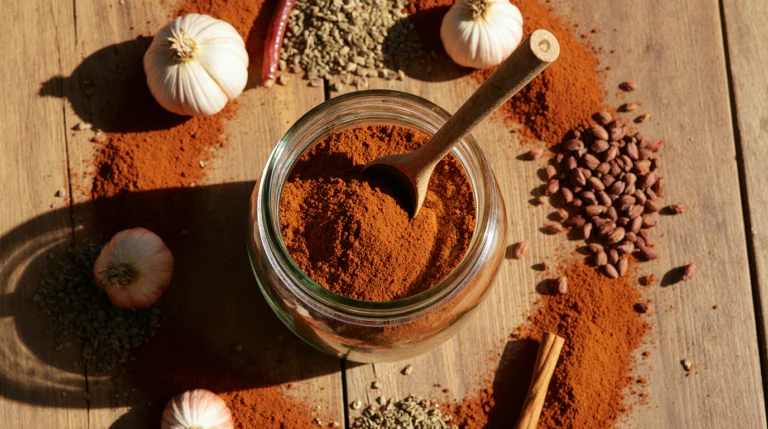
Here is the master blend. This ratio provides the perfect balance of salty, smoky, and savory.

Ingredients:
- 4 tablespoons Fine Sea Salt
- 2 tablespoons Smoked Paprika (for color and depth)
- 1 tablespoon Garlic Powder (granulated is best)
- 1 tablespoon Onion Powder
- 1 teaspoon Black Pepper (freshly ground)
- 1 teaspoon Dried Oregano
- 1 teaspoon Dried Parsley
- ½ teaspoon Cayenne Pepper (adjust for heat)
- ½ teaspoon Celery Salt
Instructions:
- Combine: In a small mixing bowl, add all the ingredients.
- Whisk: Use a small whisk to blend them thoroughly. Ensure the onion powder doesn’t clump.
- Grind (Optional): For an ultra-fine restaurant-style dust, pulse the mixture in a spice grinder for 5 seconds. This creates a uniform french fry seasoning.
- Store: Place in an airtight jar away from heat and light.
This seasoned french fries recipe is versatile. You can double or triple it, as it keeps for months.
Step 4: Flavor Profiles and Variations
Once you have the base, you can experiment. Seasoning french fries recipes are infinite.
The Cajun Kick
To transform the base into a Cajun blend, increase the cayenne pepper to 1 tablespoon and add dried thyme and white pepper. This creates a spicy, herbaceous profile similar to what you find in New Orleans kitchens.
The Garlic Parmesan
This is a wet/dry hybrid. Mix your base french fry seasoning with freshly grated parmesan cheese and minced fresh garlic. Toss the hot fries in this mixture. Note: This does not store well; it must be used immediately.
The Ranch Twist
Americans love ranch. To make a ranch-style french fry seasoning, add 2 tablespoons of buttermilk powder and 1 tablespoon of dried dill to the base recipe. The buttermilk powder adds that signature tang.
Step 5: The Cooking Method Matters
How you cook the potato dictates when and how you apply the french fry seasoning.
Deep Frying
This is the traditional method. The oil on the surface of the fry acts as the glue.
- Technique: Remove fries from the oil, shake off excess grease, and place them in a large metal bowl.
- Application: Sprinkle the french fry seasoning immediately while they are piping hot. Toss the bowl vigorously to coat.
Air Frying
Air fryers are healthier, but they produce a drier surface.
- Technique: You must coat the raw potatoes in a small amount of oil before cooking.
- Application: You can mix the french fry seasoning into the oil before coating, or pause the air fryer halfway through, spray with a little oil, and dust them then. If you season at the very end without oil, the spices will just fall off.
Oven Baking
Similar to air frying, but takes longer.
- Technique: Toss raw potato wedges in olive oil and the french fry seasoning recipe.
- Tip: Use parchment paper. The sugar in the paprika can caramelize and stick to the pan if you aren’t careful.
Step 6: Achieving the “Stick” Factor

The biggest complaint home cooks have is that their french fries seasoning ends up on the plate, not the potato. Here is how to fix that.
- The Oil Binder: Spices are oil-soluble. They need fat to bloom and adhere. Never try to season a dry, boiled potato.
- The Mist: If you are baking and the fries look dry, buy a continuous spray oil mister. Give the fries a light misting the second they come out of the oven, then hit them with the french fry seasoning.
- The Grind: As mentioned, a finer powder sticks better than heavy granules. Large chunks of dried oregano will fall off; powdered oregano will stick.
Step 7: Copycat Recipes from Famous Chains
We all crave those specific fast-food flavors. Here is how to replicate them at home.
Red Robin French Fry Seasoning
The red robin french fry seasoning is iconic. The secret ingredient? Tomato powder.
- The Hack: If you can’t find tomato powder, use a packet of instant tomato soup mix. Combine it with sea salt, cumin, and garlic powder. The tomato provides a savory, umami sweetness that distinguishes their seasoned french fries from the rest.
Wingstop French Fry Seasoning Recipe
Wingstop is famous for their sweet and savory combo. The wingstop french fry seasoning recipe involves a daring addition: sugar.
- The Blend: Mix your standard french fry seasoning with brown sugar and a higher ratio of black pepper and chili powder. The sugar melts slightly on the hot fries, creating a glaze that traps the heat and the spice.
Five Guys Style
They use peanut oil and a heavy dose of Cajun spices. Their seasoning for french fries relies heavily on paprika and garlic, but the peanut oil adds a distinct nutty aroma that enhances the spice blend.
Step 8: Dietary Adjustments
French fry seasonings are naturally gluten-free, but you can adjust them for other needs.
- Low Sodium: Substitute the salt for potassium chloride (salt substitute) or simply omit it and double the garlic and onion powder. You can also use nutritional yeast to add a cheesy, savory flavor without sodium.
- Keto: The seasoning itself is keto-friendly. Serve your french fry seasoning on roasted radish chips or jicama fries instead of potatoes.
- Paleo: Ensure your anti-caking agents in store-bought spices are compliant, or better yet, grind your own organic spices for the freshest french fry seasoning.
Step 9: Pairings and Dips

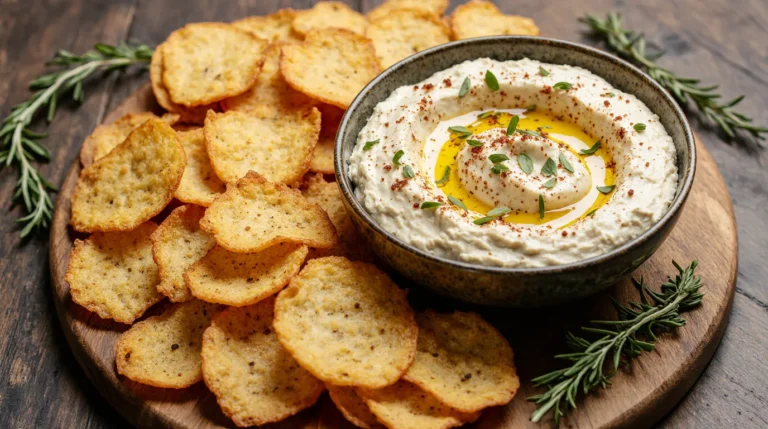
A seasoned french fries recipe is only as good as the dip it is served with.
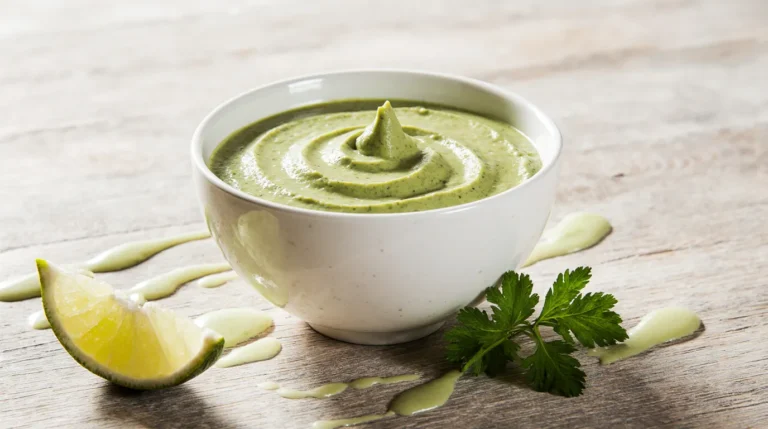
- Garlic Aioli: Whisk mayonnaise, lemon juice, minced garlic, and a pinch of your french fry seasoning together.
- Sriracha Mayo: For those who like heat, mix chili sauce with mayo.
- Malt Vinegar: A classic British pairing. The acid cuts through the fat and highlights the salt in the french fry seasoning.
- Cheese Sauce: A warm cheddar sauce poured over seasoned french fries creates “Disco Fries” or “Cheese Fries,” a diner staple.
Remember, if you are looking for a protein to dip alongside your fries, the crispy tenders found at My Chicken Recipes are the perfect match.
Step 10: Storage and Longevity
Spices are volatile. They lose flavor over time.
- Air is the Enemy: Oxygen degrades the essential oils in paprika and pepper. Keep your recipe container tightly closed.
- Moisture: Steam from the cooking process can get into your shaker if you hold it directly over the hot pan. Always sprinkle from a height or pour into your hand first.
- Date It: Write the date on your jar. After 6 months, your french fry seasoning recipe won’t necessarily go “bad,” but it will lose its punch.
Why Homemade Seasoned French Fries Are Superior

When you make seasoned french fries at home, you are participating in a culinary tradition. You are taking a raw, earth-grown ingredient and processing it into something delightful. The aroma of french fries seasoning hitting hot oil is nostalgic and comforting.
Furthermore, seasoning french fries recipes allows for creativity. You can make a Curry Fry, a Greek Fry (with oregano and lemon zest), or a BBQ Fry. You are not limited by the menu of a fast-food giant.
Detailed Ingredient Deep Dive
Let’s look closer at why specific ingredients are chosen for french fry seasonings:
- Smoked Paprika: This is made from pimiento peppers that are dried and smoked over an oak fire. It gives the french fry seasoning a bacon-like flavor without the meat.
- Onion Powder: It provides a background sweetness. Onions naturally contain sugars, and the dried powder concentrates this. It rounds out the sharp bite of the salt in seasoned french fries.
- Celery Salt: This is the unsung hero of many seasonings for french fries. It provides a slightly bitter, herbal note that creates complexity. It is the primary flavor in “Old Bay,” which is effectively a seafood and french fry seasoning.
Advanced Techniques: The Double Fry
To get the most out of your french fry seasoning recipe, the potato texture must be perfect. The double-fry method is the industry standard.
- Blanching: Fry at a low temp (325°F) to cook the inside. The potato will look pale and floppy.
- Cooling: Let them rest. This draws moisture to the surface.
- Crisping: Fry at a high temp (375°F) to brown the exterior. This method ensures the french fry seasoning sits on a crunchy shell, not a soggy mess.
Troubleshooting Your Seasoning
- Too Salty? Add a pinch of brown sugar to the mix. It counteracts the sodium.
- Too Spicy? Add more garlic powder and onion powder to dilute the cayenne in your french fry seasoning.
- Not Sticking? Your fries were too dry before seasoning. Toss them in a tiny bit of oil or melted butter, then re-apply the french fry seasoning.
The History of the Fry and Its Spices
While the French and Belgians argue over who invented the fry, Americans surely invented the seasoned french fries recipe. In Europe, fries are often served with mayonnaise but salted simply. The American barbecue tradition introduced the idea of rubbing meats with spice blends, and naturally, this logic transferred to sides, giving birth to the modern french fry seasoning.
Regional variations exist everywhere. In Maryland, french fry seasonings are heavy on celery salt and mustard powder. In the Southwest, cumin and chili powder dominate the seasoning french fries recipes.
FAQ: Common Questions About French Fry Seasoning
Q: Can I use this on other vegetables? A: Absolutely. This french fry seasoning is delicious on roasted broccoli, cauliflower, Brussels sprouts, and even zucchini chips.
Q: Is MSG safe to add? A: Yes, Monosodium Glutamate is a naturally occurring compound (found in tomatoes and cheese). Adding a pinch of Accent (pure MSG) to your french fry seasoning recipe will give it that “can’t stop eating” quality found in Doritos and fast food.
Q: How do I make a “Recipe for Fries” that tastes like the fair? A: Fair fries are usually just fresh potatoes, peanut oil, and malt vinegar or simple seasoned french fries. The key is the freshness of the potato.
Q: What is a “good french fry seasoning” for kids? A: Stick to the basics: Salt, mild paprika, and a little bit of sugar. Avoid cayenne and heavy black pepper.
Q: Can I put this on sweet potato fries? A: Yes, but sweet potatoes have a high sugar content. A savory french fry seasoning works well to contrast the sweetness, but you might want to add a dash of cinnamon or nutmeg for a fall-flavored variation.
Conclusion: Your New Kitchen Staple
By now, you should feel confident in your ability to create the ultimate french fry seasoning. You understand the balance of salt and spice, the importance of potato texture, and the endless variations available to you.
Whether you are making a simple side for burgers or a gourmet platter of seasoned french fries for a party, this guide has provided the roadmap. Remember, the best french fry seasoning recipe is the one that brings a smile to your face. Don’t be afraid to tweak the ratios, add your favorite herbs, or try something completely wild like powdered vinegar or truffle salt.
So, heat up that oil (or air fryer), grab your jar of homemade french fry seasoning, and get cooking. The perfect fry is within your reach. And for the ultimate pairing, don’t forget to visit My Chicken Recipes to complete your feast.