The Perfect Honey Joys Recipe: Mastering Australia’s Golden 4-Step Classic
Table of Contents
Introduction
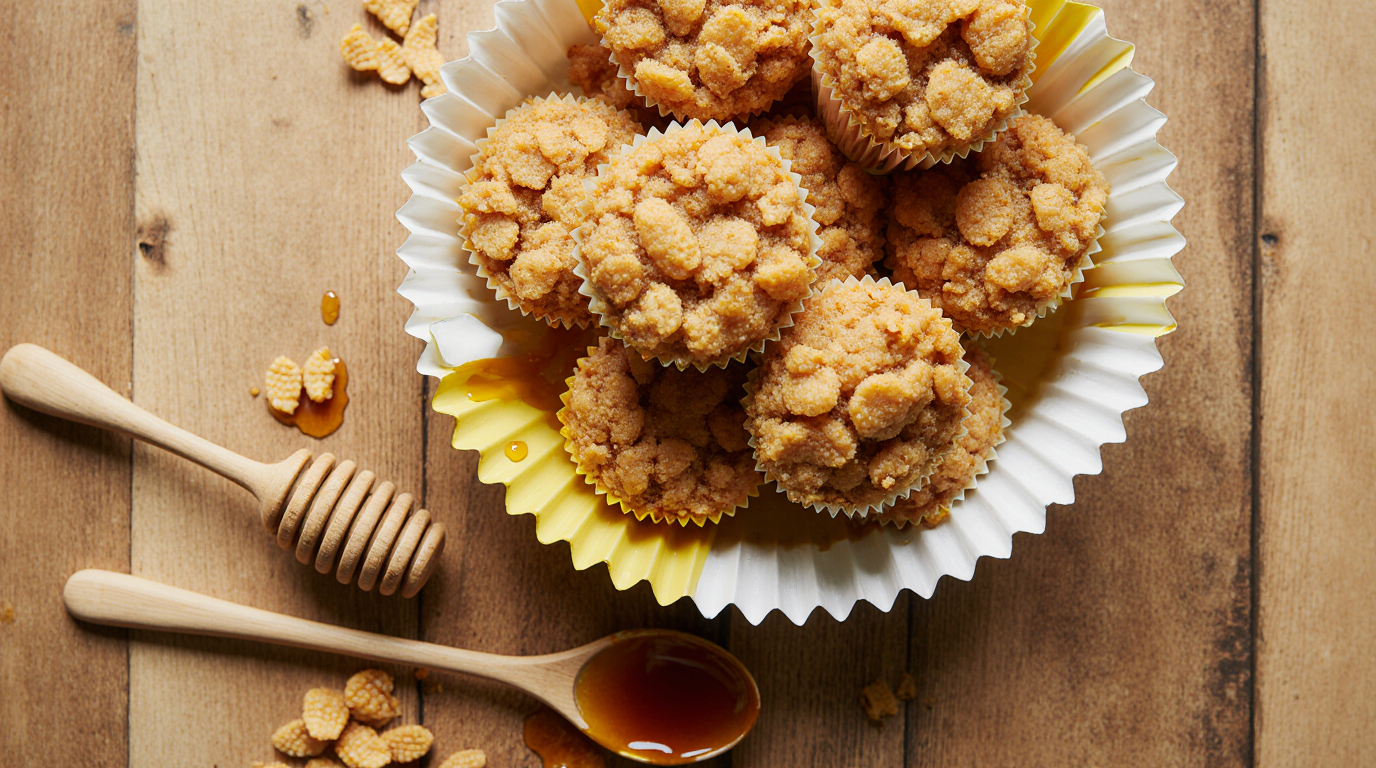
If you grew up in Australia, there is a very high probability that your childhood memories are scented with warm honey and toasted corn. There is a specific treat that graced the table of nearly every birthday party, school fete, and community bake sale. They are golden, crunchy, sticky, and utterly irresistible. We are, of course, talking about the iconic honey joys.
These sweet morsels are more than just corn sweets in a paper patty pan; they are edible nostalgia. While they might seem incredibly simple—and indeed, the best things often are—mastering the perfect honey joys recipe requires knowing a few secret tips to ensure they remain crunchy and don’t turn into a soggy mess.
In this comprehensive guide, we are going deep into the world of this classic cornflake treat. We will explore the history, the science of the crunch, variations, troubleshooting, and finally, provide you with the absolute best way on how to make honey joys that will have everyone asking for the recipe.
Whether you are looking to recreate a piece of your past, or you are introducing this crunchy delight to a new generation, this is the only resource you will ever need. While you might find many versions on sites like taste com recipes, we have refined this method to guarantee golden perfection every single time.
What Exactly Are Honey Joys?
Before we dive into the kitchen, let’s define our subject. A honey joy is a distinctly Australian sweet treat. They are essentially a type of cornflake tartlet, held together not by pastry, but by a caramelized mixture of butter, sugar, and honey.
They are baked in muffin trays lined with paper cases. The baking process is crucial; it causes the sugary mixture to bubble up and coat the cereal, and then harden upon cooling, creating that signature “snap” when you bite into them.
The Great Confusion: Honey Joys vs. Honey Crackles vs. Honey Jumbles
It is very common for people to confuse honey joys with other similar sounding treats. Let’s clear up the confusion so you know exactly what you are baking.
- Honey Joys: Made exclusively with cornflakes. They are baked to achieve their crunch. The binding agent is a cooked syrup of butter, sugar, and honey.
- Honey Crackles: Often used interchangeably, but traditional honey crackles are frequently made with Rice Bubbles (crisped rice cereal) instead of cornflakes. Sometimes the recipe is identical to a honey joy recipe, just swapping the cereal, but the texture is quite different—lighter and airier compared to the substantial crunch of the cornflake version. A honey crackle recipe might also sometimes be a “no-bake” version, relying on fridge setting, though baked is always better for crunch.
- Honey Jumbles: These are entirely different. Honey jumbles are soft, spiced, gingerbread-like honey biscuits, usually oval-shaped and topped with a hard white icing. A honey jumble recipe involves making a dough, rolling it out, and baking soft cookies, which is a very different process than coating cereal.
While cornflake biscuits exist (which are usually standard cookie dough with crushed cornflakes added for texture), they are not the same as the caramelized cluster that is a honey joy.
A Brief History of the Honey Joy
Are honey joys australian? The consensus is an overwhelming yes. While combining cereal with sweet binders exists globally (like American Rice Krispie Treats, which use marshmallows), the specific combination of butter, honey, sugar, and cornflakes baked in patty pans is uniquely Australian.
The recipe has deep ties to Kellogg’s. For decades, the recipe for kellogg’s honey joys was printed on the side of Corn Flakes boxes in Australia. This brilliant marketing ensured that the recipe entered almost every home in the country. They became a staple of party sugar hits because they were inexpensive to make in bulk, easy enough for children to help with, and universally loved.
Over time, they have become ingrained in the culinary identity of the nation, sitting proudly alongside lamingtons and pavlova as icons of Aussie home baking.
The Science of the Ingredients
To make the perfect honey joys recipe, you need to understand the role of each ingredient. There are only four main players here, so quality matters.
1. The Cornflakes
This is the structure. Cornflakes provide the vessel for the sugary coating and the essential crunch. You need fresh, crisp cornflakes. Stale cereal will lead to chewy honey joys. While kellogs honey joys are the classic, store-brand corn flakes work just fine. The key is the thickness of the flake; standard cornflakes are best.
2. The Honey
The star flavor profile. Honey provides floral notes and distinct sweetness. It also contributes to the stickiness that binds the cornflake crackles together. A standard supermarket floral honey is perfect here; there is no need to use expensive manuka or artisanal raw honey, as the high heat of baking will alter their delicate flavors anyway.
3. The Sugar
While honey is sweet, you also need regular white sugar. Why? Sugar adds structure when it melts and recrystallizes after baking. It helps create the “snap.” Relying solely on honey would result in a stickier, chewier, and potentially messier treat. The combination of sugar honey honey is what makes the texture just right.
4. The Butter
Butter provides richness and fat. It helps the sugars melt evenly and coats the cornflakes, ensuring they toast rather than just burn. It adds a savory undertone that balances the intense sweetness of the honey and sugar. Salted butter is actually preferable here, as that tiny pinch of salt makes the honey flavor pop.
The Ultimate, Detailed Honey Joys Recipe
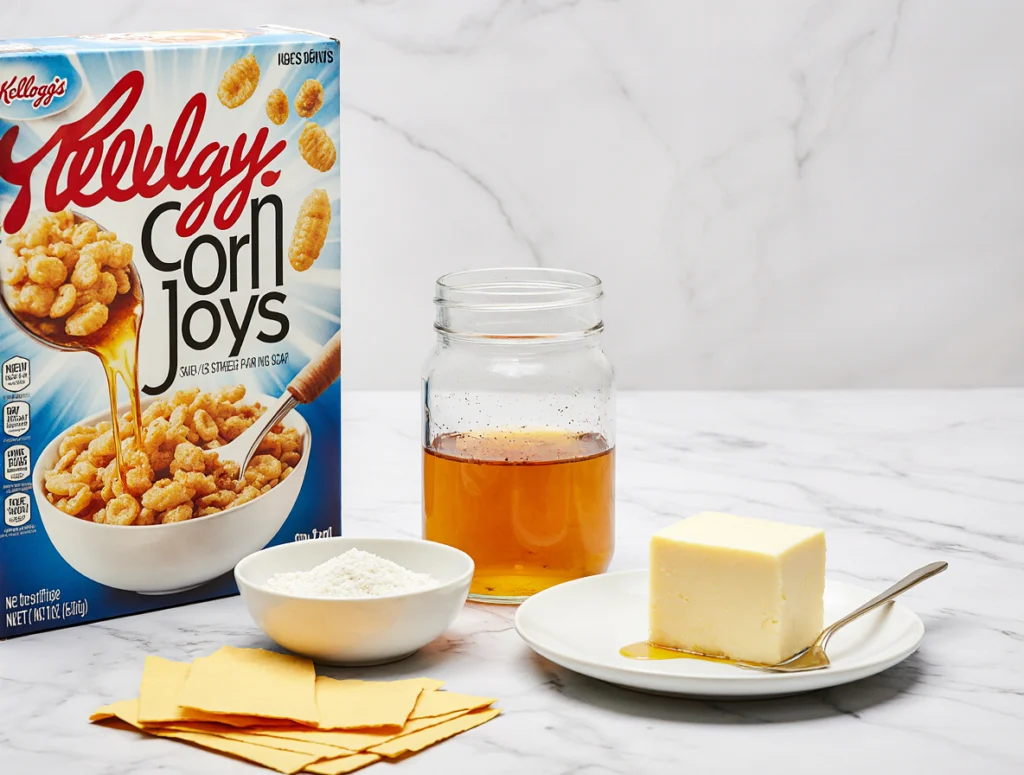
This is it. The definitive guide on how to make honey joys that are crunchy, golden, and perfect for your next party or trip down memory lane.
- Prep time: 10 minutes
- Cook time: 10-12 minutes
- Total time: 22 minutes
- Yields: Approximately 24 standard honey joys
Ingredients
- 4 cups Cornflakes (Kellogg’s or similar)
- 90g butter (salted is best), chopped
- 1/3 cup white sugar
- 2 tablespoon honey (generous tablespoons)
Equipment Needed
- Large saucepan
- Wooden spoon or heat-proof spatula
- 2 x 12-hole standard muffin trays
- 24 paper patty cases (standard muffin liners)
Step-by-Step Instructions
Step 1: Preparation is Key
Preheat your oven to 150°C (300°F) fan-forced (or 170°C conventional). This lower temperature is crucial. If the oven is too hot, the sugars will burn before the cornflakes have time to crisp up and set. Line your muffin trays with the paper patty cases. Measure out your cornflakes into a very large heat-proof mixing bowl. You want plenty of room to mix without crushing the flakes.
Step 2: The Melt
Place the chopped butter, white sugar, and honey into a large saucepan over medium heat. This is where the magic happens. You need to stir this constantly with a wooden spoon. You are looking for the butter to melt completely and the sugar crystals to dissolve.
As it heats, the mixture will start to froth and become foamy. This is good! It means the water content in the butter and honey is evaporating, concentrating the sugars. Keep stirring this frothy, bubbly mixture for about 1-2 minutes. It should be a uniform, golden liquid syrup. Do not let it caramelize too much or turn dark brown; you just want it fully combined and hot.
Step 3: The Mix
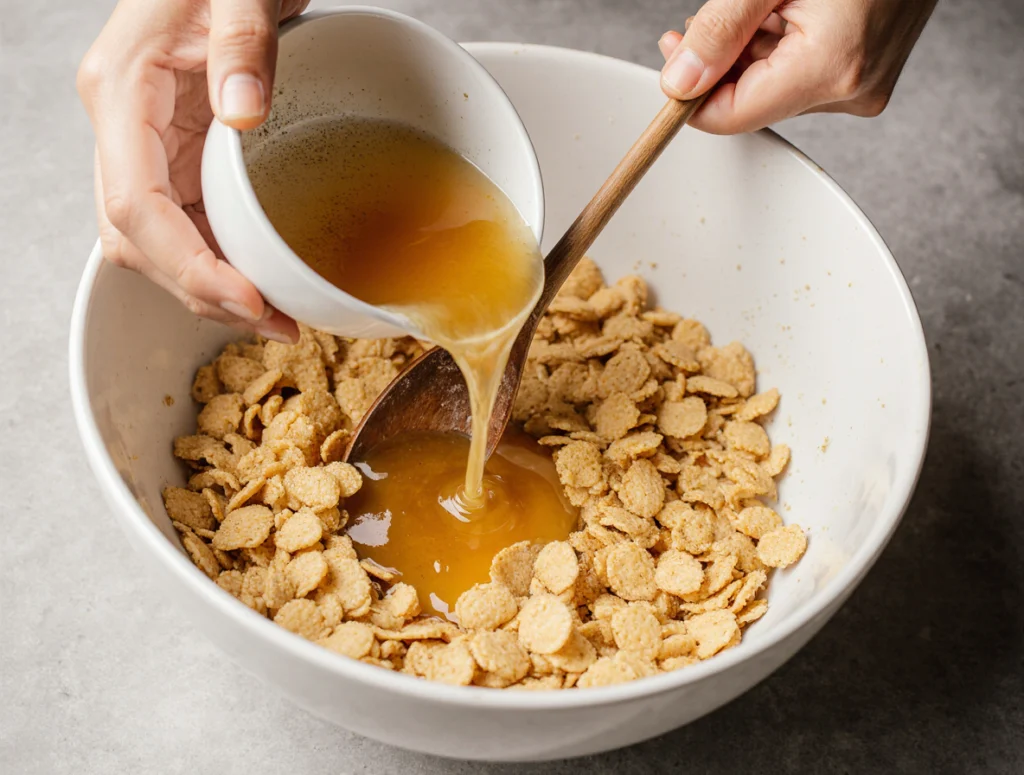
Remove the saucepan from the heat. Immediately pour the frothy honey mixture over the cornflakes in the large bowl.
Now, work quickly but gently. Using your wooden spoon, fold the mixture together. The goal is to coat every single cornflake in the golden syrup without crushing them into dust. A folding motion (scraping the bottom and folding over the top) is better than vigorous stirring. Ensure there are no dry corn flakes left at the bottom of the bowl.
Step 4: The Portioning
Using two spoons (or a small ice cream scoop works wonders here), portion the sticky mixture evenly into the prepared paper cases in the muffin trays. You want to pile them up slightly. Do not press them down firmly; you want small air gaps between the flakes to ensure they bake evenly and remain crunchy.
Step 5: The Bake (Crucial Step!)
Place the trays into the preheated oven. Bake for 10 to 12 minutes.
Watch them closely. You are looking for them to turn a slightly deeper golden color. The honey mixture will be bubbling vigorously around the cornflakes in the oven. They will still look very soft and wet when you take them out—do not be tempted to keep baking them until they are hard.
Step 6: The Cooling (The Hardening Phase)
Remove the trays from the oven. This is the most difficult part of the honey joy recipe: waiting. You must let them cool completely in the tin.
As they cool, the molten sugar and honey mixture will set hard, bonding the cornflakes together into rigid, crunchy cups. If you try to remove them while warm, they will crumble into a sticky mess. Once completely cool (at least 30 minutes), remove them from the muffin trays.
Troubleshooting Your Honey Joys
Even with the best honey joys recipes, things can sometimes go awry. Here is how to fix common issues.
Problem 1: They are soggy or chewy, not crunchy.
- Cause: They weren’t baked long enough, or the oven wasn’t hot enough. The baking phase is what drives off excess moisture and caramelizes the sugars into a hard candy coating.
- Solution: Ensure your oven is accurately calibrated. Bake them until they are a deep golden color. Also, ensure you didn’t add too much honey relative to sugar; sugar provides the snap.
Problem 2: They burnt.
- Cause: Oven too hot or baked too long. Sugar burns very quickly once past a certain temperature.
- Solution: Stick to the 150°C (fan-forced) temperature. Start checking them at the 8-minute mark.
Problem 3: They fell apart when I took them out of the tray.
- Cause: You tried to remove them while they were still warm.
- Solution: Patience! They must cool completely in the tin to set.
Problem 4: The mixture seized up before I could coat the cornflakes.
- Cause: You took too long, and the syrup cooled down, or you overheated the sugar syrup to the hard-crack stage before adding it to the cereal.
- Solution: Have your cornflakes measured and ready in the bowl before you start melting the butter and sugar. Work fast once the syrup is ready.
Variations on the Classic
Once you have mastered the traditional recipe for honey joys, you can start experimenting with twists on these cornflake recipes.
1. Gluten-Free Honey Joys
This is surprisingly easy. The syrup mixture is naturally gluten-free. You simply need to source certified gluten-free cornflakes. Many major brands now offer these. The result is indistinguishable from the original, making gluten free honey joys a great option for inclusive parties.
2. Chocolate Drizzled
For an extra layer of indulgence, once the honey joys are completely cool, drizzle them with melted milk or dark chocolate. Let the chocolate set before serving.
3. The Nutty Professor
Add half a cup of chopped nuts to the cornflake mixture before adding the syrup. Almond and honey is a classic flavor combination; slivered almonds work beautifully here, toasting along with the cornflakes in the oven. Roasted peanuts also add a great savory crunch.
4. Honey Joy Slice
Instead of individual patty pans, you can make a honey joy slice or cornflake slice. Press the entire mixture firmly into a lined square baking tin. Bake for roughly the same amount of time, perhaps a few minutes longer. Let it cool completely in the tin before slicing into squares with a sharp knife. This is faster than portioning into individual cups.
5. The “No-Bake” Myth
You will sometimes see a honey joy recipe no bake or no bake honey joys recipe circulating online. These recipes usually involve boiling the sugar syrup for longer to reach a higher candy setting temperature, mixing it with cornflakes, and putting them in the fridge to set.
While this technically works, the result is inferior. They are often stickier, harder on the teeth (rather than crispy), and lack the toasted flavor that baking provides. The oven time toasts the cornflakes and develops the caramel flavor. For the authentic experience, bake them.
6. Healthier Honey Joys?
Can you make healthier honey joys? You can try reducing the sugar slightly or using coconut oil instead of butter, but be warned: these are corn sweets. They are meant to be a treat. Altering the sugar/fat ratios too much will affect the structural integrity and the crunch. Sometimes it’s best to just enjoy the classic version in moderation.
Serving and Storage
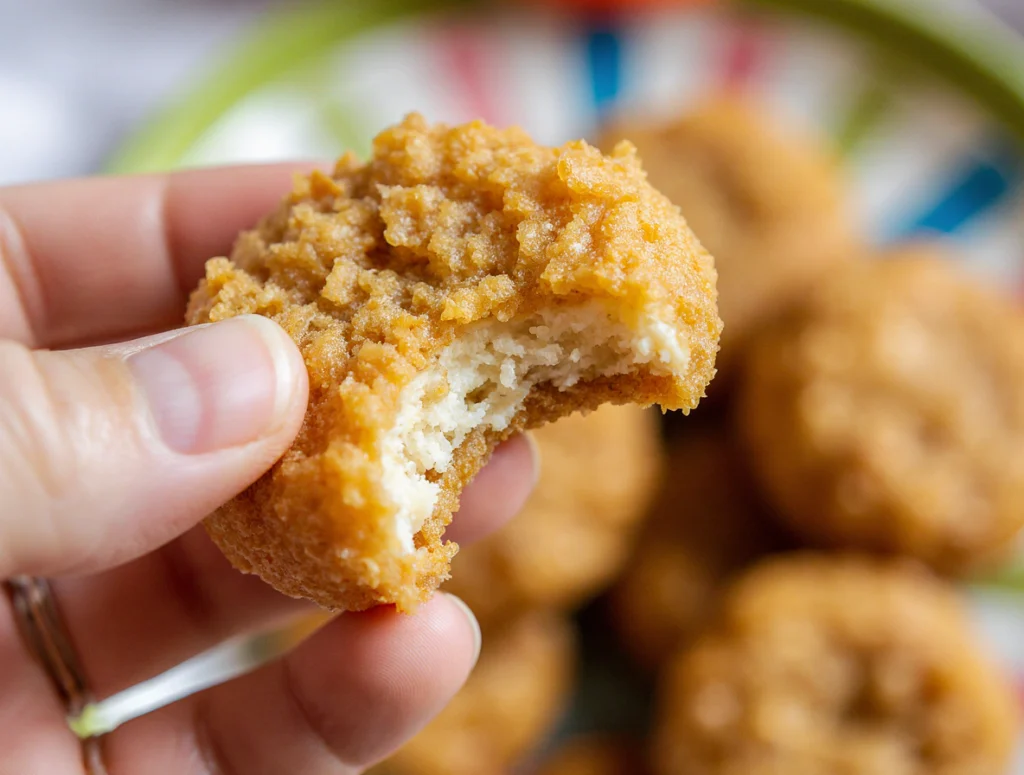
Honey joys are best served at room temperature. They are the ultimate party food because they don’t require refrigeration and are easy to eat by hand.
Storage is critical. Moisture is the enemy of the crisp cornflake.
- Airtight Container: Store completely cooled honey joys in an airtight container at room temperature.
- Avoid the Fridge: Do not store them in the refrigerator. The humidity in the fridge will soften the caramel and make the cornflakes stale and chewy.
- Shelf Life: If stored correctly in an airtight container, they will stay crunchy for up to a week, though they are rarely left uneaten for that long!
Why Honey Joys Remain a Favorite
In a world of complex desserts and artisanal pastries, why do these simple recipes using corn flakes endure? It comes down to texture and simplicity.
The combination of shatteringly crisp cereal coated in sweet, buttery toffee is texturally satisfying. They are inexpensive to make, require no special equipment like stand mixers or food processors, and the ingredients are pantry staples.
Furthermore, for many Australians, they are a direct link to childhood. They are the taste of school fetes, the reward after a sports game, and the centerpiece of a 7th birthday party table. That emotional connection is a powerful flavor enhancer. They are joys delights in the truest sense.
Frequently Asked Questions (FAQs)
Q: Can I use other cereals besides cornflakes? A: Yes, you can. Honey crackles recipe often uses Rice Bubbles (crisped rice). You could also use bran flakes or even honey puffs or honey smacks australia (though that would be incredibly sweet). However, for the classic honey joy texture and flavor, cornflakes are the standard.
Q: Can I use margarine instead of butter? A: You can, but butter gives a much better flavor and a richer mouthfeel. Margarine can sometimes contain more water, which might make the end result slightly chewier.
Q: Are honey joys the same as cornflake cookies? A: No. Corn flake cookies or cornflake biscuits are usually a standard flour-butter-sugar cookie dough that has cornflakes folded into it or rolled on the outside for crunch. Honey joys have no flour or eggs; they are just cereal bound by sugar syrup.
Q: Where can I find more classic recipes? A: While many people search www taste com au for these classics, it is always good to have a reliable, tested version in your own repertoire. For other family-favorite recipes, perhaps on the savory side for dinner, check out the fantastic selection at https://www.mychickenrecipes.com.
Q: Can I freeze honey joys? A: It is not recommended. Freezing and thawing will introduce moisture, which will destroy the crunch and make the cornflakes soggy.
Conclusion
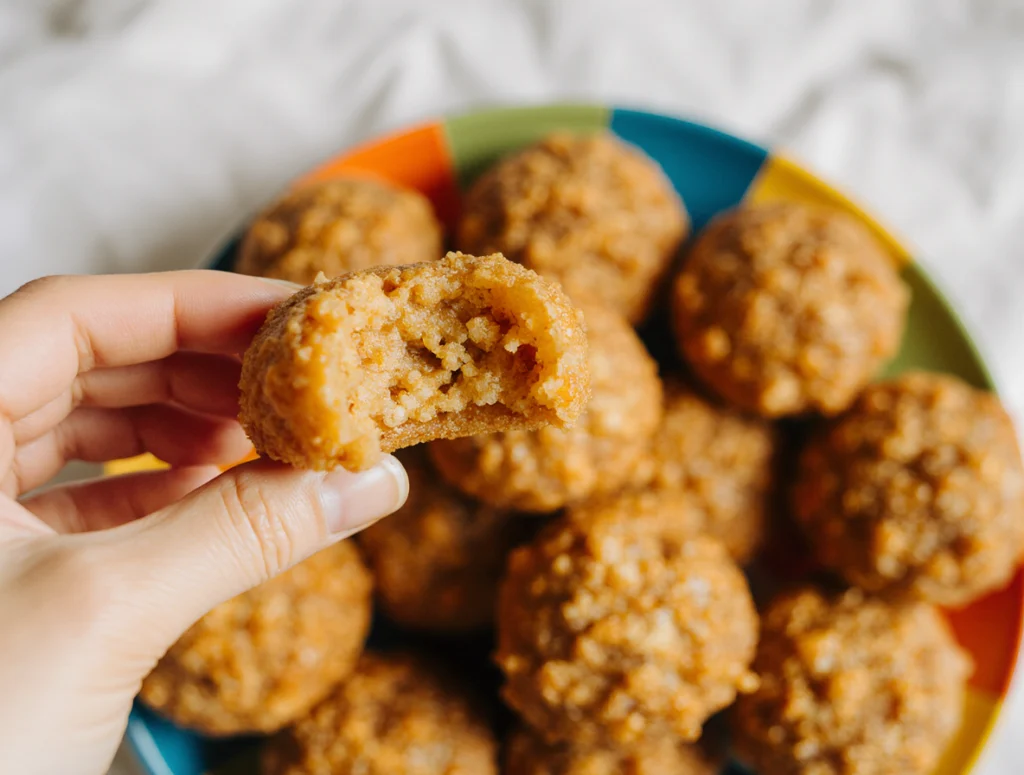
The humble honey joy. It is a testament to the fact that you don’t need complicated techniques or expensive ingredients to create something wonderful. It is just corn, butter, honey, and sugar, transformed by a little bit of heat into golden cups of happiness.
Whether you are baking for a party, looking for cooking with corn flakes ideas to use up that half-empty box, or just craving a sweet hit of nostalgia, this honey joys recipe is the answer.
So grab your wooden spoon, melt down that golden syrup, and enjoy the satisfying crunch of Australia’s favorite corn flake treat. They really are pure joy.