6 Steps to the Perfect Chocolate Panna Cotta: The Best Dessert Guide
Table of Contents
Introduction
There is something undeniably magical about a dessert that wobbles. It suggests a delicacy, a lightness, and a texture that promises to melt in your mouth. When you combine that delicate texture with the deep, rich allure of cocoa, you get the ultimate indulgence: chocolate panna cotta.
This Italian classic, which translates literally to “cooked cream,” is often misunderstood. Many assume it requires complex pastry skills or hours of labor. In reality, it is one of the simplest yet most sophisticated desserts you can master. Whether you are hosting a fancy dinner party or looking for a comforting sweet treat on a quiet evening, learning how to make this dish is a game-changer.
In this comprehensive guide, we are going to explore everything there is to know about this creamy delight. We will dive into the science of gelatin, explore the differences between dark and white chocolate panna cotta, and even discuss zesty variations like orange panna cotta. By the end of this post, you will have a foolproof chocolate panna cotta recipe that will rival any restaurant’s offering.
What is Chocolate Panna Cotta?
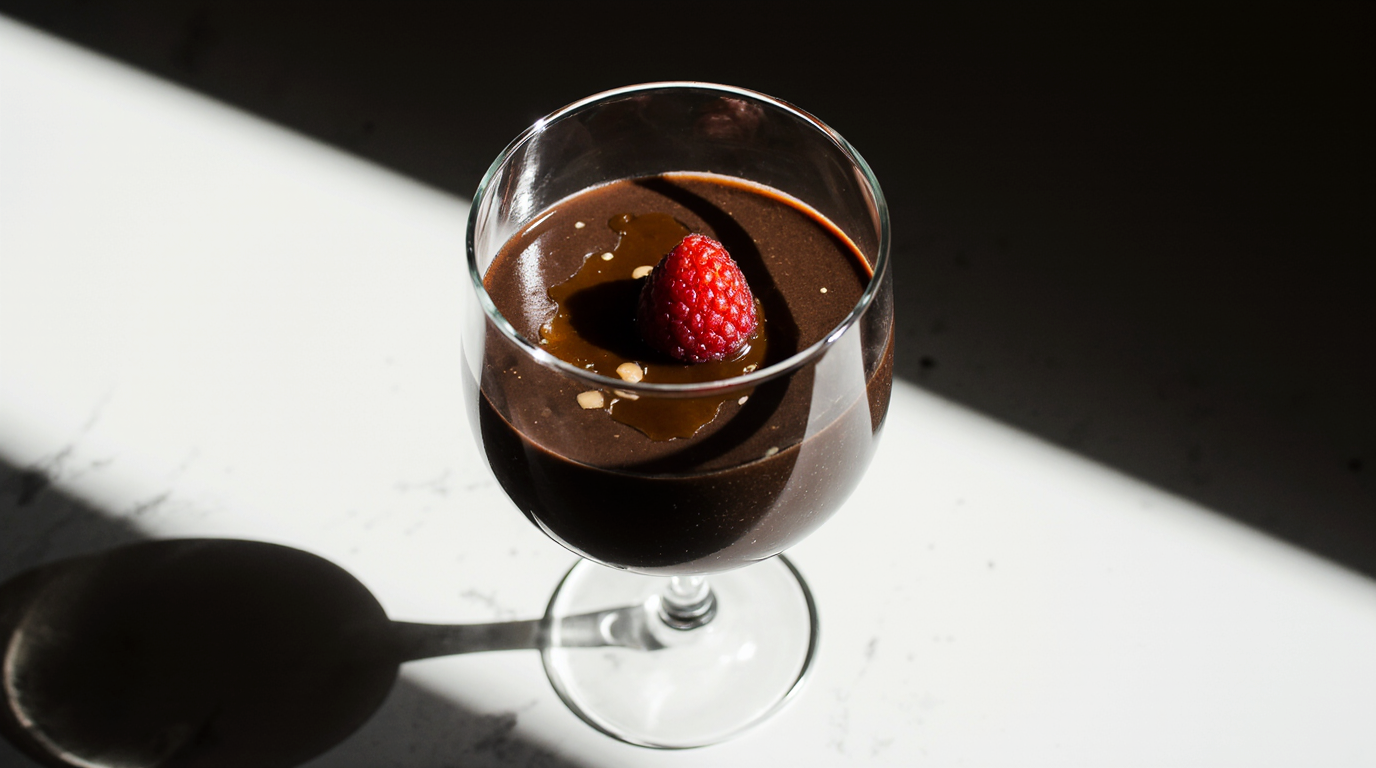
At its core, panna cotta is a molded chilled dessert popular throughout Italy. It is made of sweetened cream thickened with gelatin. While the traditional version is often vanilla-flavored, the chocolate panna cotta variation elevates the experience by adding melted chocolate or cocoa powder into the warm cream base.
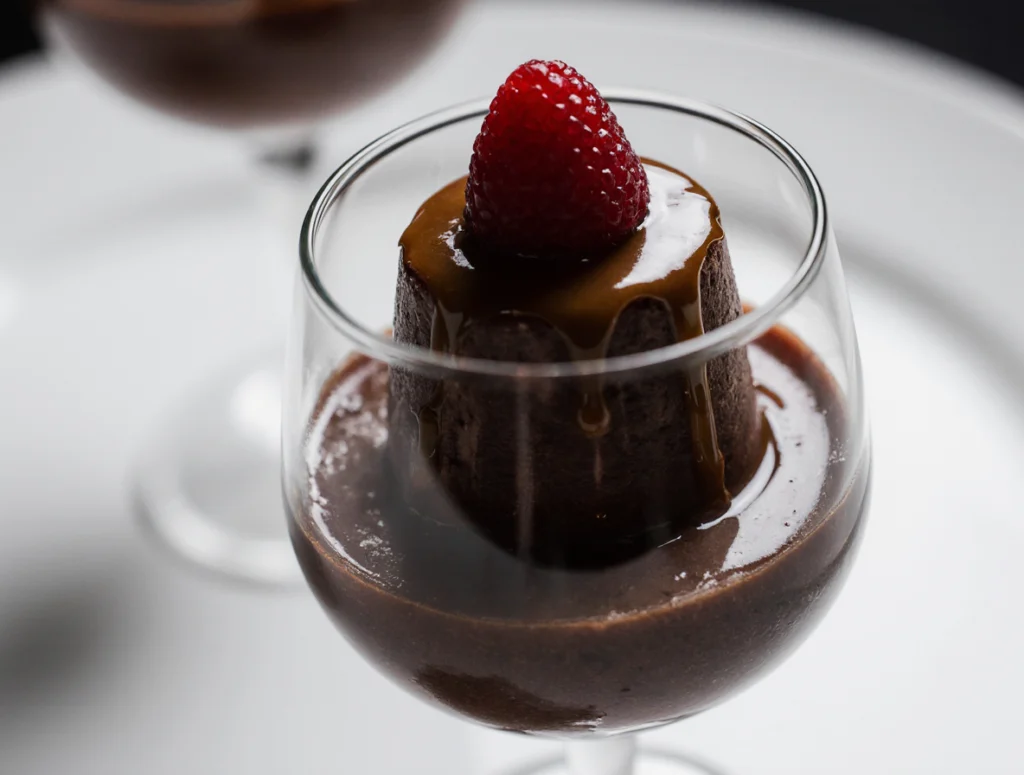
The result is a dessert that sits somewhere between a pudding and a jelly. It should be firm enough to unmold onto a plate but soft enough that it quivers when the plate is nudged. When you take a bite, it shouldn’t be rubbery; it should dissolve into a creamy pool on your tongue.
Many people search for a recipe for chocolate panna cotta dessert because it is a stress-free option. It is a “make-ahead” miracle. You cannot rush the setting process, which means you must prepare it in advance, leaving you free to focus on your main course—perhaps a savory dish from My Chicken Recipes—before dazzling your guests with this sweet finale.
The Science of the Perfect Texture
The secret to a successful panna cotta chocolate dessert lies in the ratio of liquid to gelatin. If you use too much gelatin, you end up with a rubbery bouncy ball. If you use too little, you have a soup.
Understanding Gelatin
To master a recipe for chocolate panna cotta, you must understand the setting agent. Most recipes call for powdered gelatin or gelatin sheets.
- Blooming: This is the process of hydrating the gelatin in cold liquid before heating it. Gelatin for panna cotta must be bloomed properly, or you will end up with grainy lumps in your smooth cream.
- The Chocolate Factor: When making chocolate panna cotta, remember that chocolate itself contains cocoa butter, which solidifies as it cools. This means a chocolate panna cotta recipe often requires slightly less gelatin than a plain vanilla one, as the chocolate helps set the mixture.
The Cream vs. Milk Debate
Traditional recipes use only heavy cream. However, for a lighter mouthfeel, many modern chefs prefer a mix of heavy cream and whole milk. The chocolate panna cotta we are making today balances richness with lightness, ensuring it isn’t too heavy after a big meal.
Ingredients for the Ultimate Chocolate Panna Cotta Recipe
To create the best chocolate panna cotta recipe, you need high-quality ingredients. Since there are so few components, there is nowhere for low-quality ingredients to hide.
- High-Quality Chocolate: Do not use chocolate chips, which often contain stabilizers that prevent them from melting smoothly. Use a high-quality bar of dark chocolate (around 70% cocoa) for an intense flavor. If you prefer a sweeter profile, we will discuss white chocolate panna cotta later.
- Heavy Cream: Look for cream with a fat content of around 36%.
- Whole Milk: Do not use skim milk; the water content is too high and can lead to icy crystallization.
- Sugar: Superfine sugar dissolves easiest, but regular granulated sugar works well too.
- Gelatin: Unflavored powdered gelatin is the standard for home cooks.
- Salt: A pinch of salt is crucial to pop the cocoa flavor.
- Vanilla Extract: Even in a chocolate dessert, vanilla adds background floral notes.
Step-by-Step: How to Make Chocolate Panna Cotta
Here is the master method. Follow these steps for a silky, wobble-perfect result.
Step 1: Bloom the Gelatin
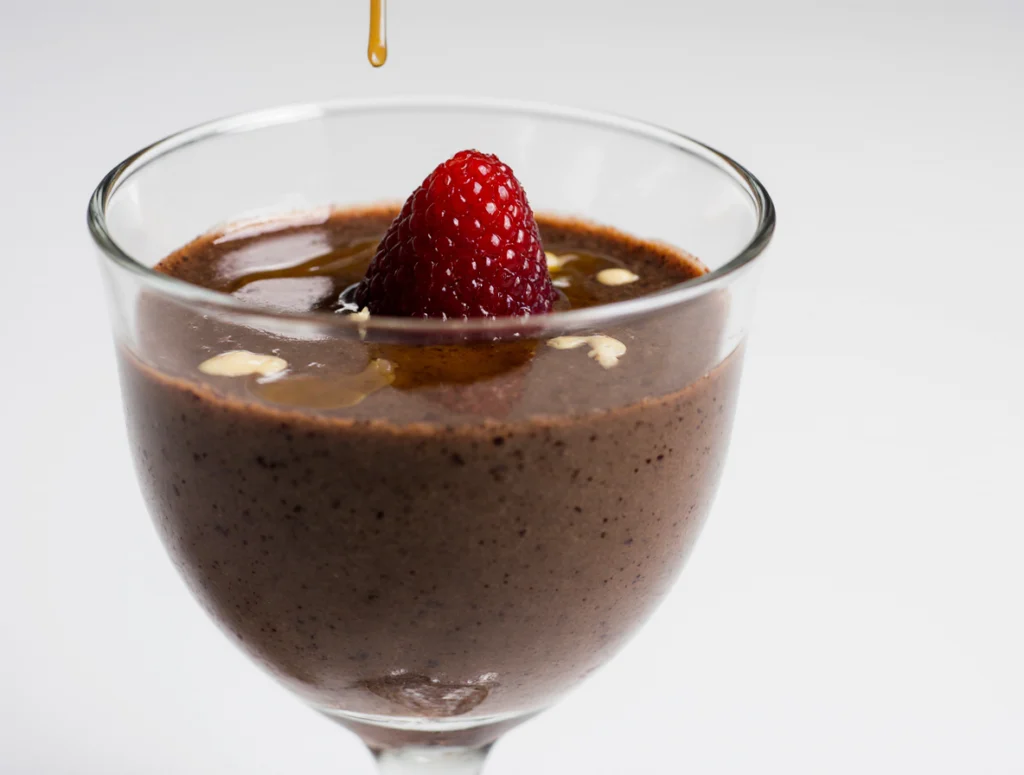
Pour your cold milk into a small bowl. Sprinkle the gelatin evenly over the surface. Do not dump it in a pile, or the center won’t hydrate. Let this stand for about 5 to 10 minutes. This is the critical “blooming” stage for chocolate with gelatin success.
Step 2: Heat the Cream and Sugar
In a saucepan, combine the heavy cream and sugar. Place over medium heat. You want to bring this just to a simmer. Do not let it boil vigorously, as this can change the flavor of the cream and cause a skin to form. You just want the sugar to dissolve completely.
Step 3: Incorporate the Chocolate
Remove the cream from the heat. This is vital. If the cream is too hot, the chocolate can seize or separate. Add your chopped dark chocolate panna cotta pieces and a pinch of salt. Let it sit for a minute to soften, then whisk gently until smooth.
Step 4: Add the Gelatin
Now, take your bloomed milk and gelatin mixture and pour it into the warm chocolate cream. Whisk immediately. The residual heat will melt the gelatin. This technique ensures you don’t overheat the gelatin for panna cotta, which can weaken its setting power.
Step 5: Strain (The Pro Tip)
This step separates the amateurs from the pros. Pour your mixture through a fine-mesh sieve into a pouring jug. This catches any undissolved gelatin granules or unmelted chocolate bits, ensuring your panna cotta chocolate is perfectly smooth.
Step 6: Mold and Chill
Pour the mixture into ramekins, glasses, or silicone molds. Let them cool to room temperature before covering with plastic wrap. Refrigerate for at least 4 hours, preferably overnight.
Variation 1: The Elegance of White Chocolate Panna Cotta
If dark chocolate isn’t your preference, or you want a visually striking contrast, try making white chocolate panna cotta.
White chocolate contains more cocoa butter and sugar than dark chocolate. When adapting the chocolate panna cotta recipe, you typically reduce the added sugar significantly, as the white chocolate provides plenty of sweetness.
A white chocolate panna cotta is incredibly creamy and pairs beautifully with tart fruits like raspberries or passion fruit. It serves as a blank canvas for other flavors. For example, infusing the cream with lavender or cardamom works exceptionally well with the milky sweetness of white chocolate.
Adjusting the Recipe
When making white chocolate panna cotta, be careful with heat. White chocolate scorches easily. Ensure your cream is off the heat entirely before stirring in the white chocolate.
Variation 2: Zesty Orange Panna Cotta
Chocolate and orange are a timeless duo. The brightness of the citrus cuts through the richness of the cream. There are two ways to achieve an orange panna cotta profile.
Method A: Infusion
To make a subtle panna cotta with orange, peel wide strips of orange zest (avoiding the bitter white pith) and add them to the cream while it heats. Let the cream steep with the zest for 30 minutes, then remove the zest and reheat before adding gelatin. This gives a sophisticated, aromatic panna cotta orange flavor.
Method B: The Layered Approach
Another way to serve this is to make a classic vanilla or white chocolate panna cotta and top it with an orange jelly or curd. However, for true chocolate lovers, adding orange zest directly to the dark chocolate base creates a “Terry’s Chocolate Orange” vibe that is irresistible.
When making a dark panna cotta with orange, adding a splash of orange liqueur can elevate the dish further. Speaking of liqueur…
Boozy Twists: Grand Marnier Panna Cotta
For an adult version of this dessert, alcohol is a fantastic addition. A grand marnier panna cotta brings the sophisticated flavor of cognac-blended bitter orange liqueur.
To make a panna cotta grand marnier, stir in 1 to 2 tablespoons of the liqueur after the chocolate and gelatin have melted, just before straining. Do not add it while the cream is boiling, or the alcohol (and flavor) will evaporate.
This creates a panna cotta chocolate dessert that warms the throat and delights the palate. It is perfect for holiday dinners or romantic occasions.
Chocolate Panna Cotta with Cocoa Powder vs. Real Chocolate
Can you make chocolate panna cotta with cocoa powder? Yes, you can. In fact, some chefs prefer it for a lighter texture.
Using melted chocolate adds cocoa butter, which firms up the dessert. Chocolate panna cotta with cocoa powder relies solely on the gelatin for setting, resulting in a cleaner, less fatty mouthfeel. However, it can sometimes feel a bit “chalky” if the cocoa isn’t dissolved properly.
The Hybrid Method: For the best depth of flavor, use both. Use melted dark chocolate for richness and a tablespoon of high-quality Dutch-processed cocoa powder for that deep, dark color and intense flavor. This hybrid approach often yields the best chocolate panna cotta recipe.
The “Carnival” Connection
You might have heard of chocolate panna cotta carnival style. This often refers to the decadent desserts found on cruise lines like Carnival, where the “Melting Chocolate Cake” is famous. However, their panna cotta is equally renowned for being silky and often served with a berry compote.
To recreate a chocolate panna cotta carnival style dessert at home, focus on the garnish. They often serve it with a decorative tuile cookie, fresh mint, and a drizzle of fruit coulis. Presentation is key.
Troubleshooting Your Panna Cotta
Even the best recipe for chocolate panna cotta can go wrong if you aren’t careful. Here are common issues and how to fix them.
1. The Separation (Two Layers)
Have you ever made a chocolate panna cotta and found it separated into a dark jelly layer at the bottom and a light milky layer at the top? This happens when the mixture is poured into the mold while it is too hot and thin. The heavier chocolate solids sink. Solution: Let the mixture cool at room temperature, stirring occasionally until it thickens slightly (like heavy syrup), before pouring it into the molds. This suspension ensures a uniform panna cotta chocolate color.
2. It Won’t Unmold
You flip the ramekin, and nothing happens. Solution: Dip the bottom of the ramekin in a bowl of hot water for 5 to 10 seconds. Run a thin knife around the very top edge to break the vacuum seal. It should slide right out.
3. Grainy Texture
This comes from two things: seized chocolate or undissolved gelatin. Solution: Always strain your mixture. This is the failsafe for a smooth panna cotta with orange or chocolate.
Serving Suggestions and Pairings
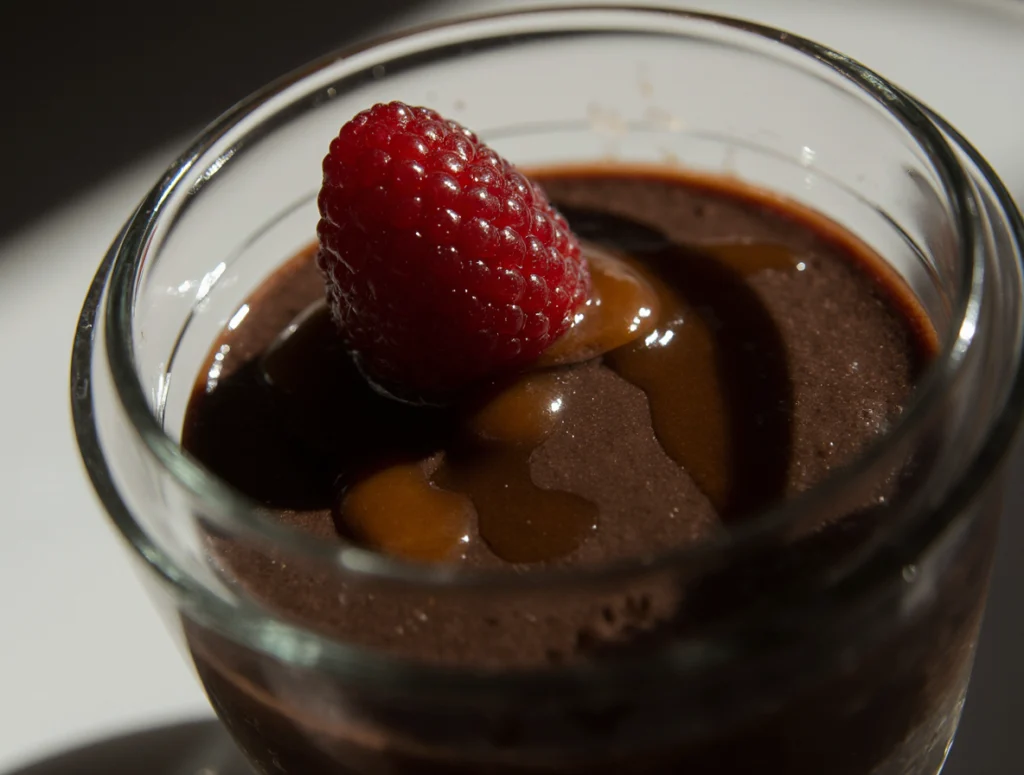
You have your perfect chocolate panna cotta, now how do you serve it?
- Tart Fruits: Raspberries, strawberries, and passion fruit are ideal. The acidity cuts the fat.
- Crunch: Panna cotta is soft. It needs a textural contrast. Crumbled amaretti cookies, toasted hazelnuts, or pistachio brittle are excellent choices.
- Sauces: A salted caramel sauce or a raspberry coulis looks beautiful pooled around the base.
- Cream: A dollop of whipped cream never hurts.
If you are making an orange panna cotta variation, candied orange peel is a stunning and edible garnish.
Frequently Asked Questions
Q: Can I make this vegan? A: Yes. Instead of gelatin for panna cotta, use Agar Agar. However, Agar sets harder and faster, so you will need to adjust quantities carefully. Use coconut milk instead of dairy for a luscious vegan version.
Q: How long does it last? A: A chocolate panna cotta will keep in the fridge for up to 3-4 days. In fact, the flavor often improves after 24 hours.
Q: Can I freeze panna cotta? A: It is not recommended. Gelatin tends to weep water when thawed, destroying that perfect creamy texture.
Q: What is the difference between chocolate pudding and panna cotta? A: Pudding is usually thickened with starch (cornstarch or flour) and eggs. Panna cotta chocolate is thickened with gelatin. The texture of panna cotta is lighter and cleaner.
Q: Can I use milk chocolate? A: You can, but it is very sweet. If you use milk chocolate, reduce the sugar in the recipe. A white chocolate panna cotta requires even less sugar.
Why You Should Try This Recipe Today
Creating a chocolate panna cotta is a rewarding experience. It is a dessert that looks like it came from a 5-star kitchen but takes less than 20 minutes of active work.
Whether you are experimenting with an orange panna cotta for a summer brunch or a rich dark chocolate panna cotta for a winter evening, the versatility of this dish is unmatched. It is the perfect canvas for your culinary creativity.
Remember, the key is patience. Let the gelatin bloom, melt the chocolate gently, and let it chill fully. If you follow this guide, you will be rewarded with the best chocolate panna cotta recipe you have ever tasted.
Don’t forget to plan your main meal as well! For delicious, savory inspirations to serve before this dessert, check out My Chicken Recipes. A light, savory chicken dish is the perfect precursor to this rich chocolate finale.
Recipe Card: The Ultimate Chocolate Panna Cotta
Prep Time: 20 Minutes Chill Time: 4 Hours Total Time: 4 Hours 20 Minutes Servings: 4-6
Ingredients:
- 1 cup Whole Milk
- 1 ½ cups Heavy Cream
- 1 packet (approx. 2 ¼ tsp) Powdered Unflavored Gelatin (gelatin for panna cotta)
- 1/3 cup Sugar
- 6 oz High-Quality Dark Chocolate (chopped)
- 1 tsp Vanilla Extract
- Pinch of Salt
- Optional: 1 tbsp Grand Marnier for a grand marnier panna cotta twist.
Instructions:
- Bloom: Pour the milk into a bowl and sprinkle the gelatin over it. Let sit for 5-10 minutes.
- Heat: In a saucepan, combine cream, sugar, and salt. Heat over medium until sugar dissolves and steam rises. Do not boil.
- Melt: Remove from heat. Add the chopped chocolate and vanilla. Let sit for 1 minute, then whisk until smooth.
- Combine: Pour the milk/gelatin mixture into the hot chocolate cream. Whisk until the gelatin is completely dissolved.
- Strain: Pour the mixture through a fine-mesh sieve to ensure smoothness.
- Cool: Let the mixture cool to room temperature (stirring occasionally) to prevent separation.
- Pour: Divide into ramekins.
- Chill: Refrigerate for at least 4 hours until set.
- Serve: Unmold or serve in the glass.
Conclusion
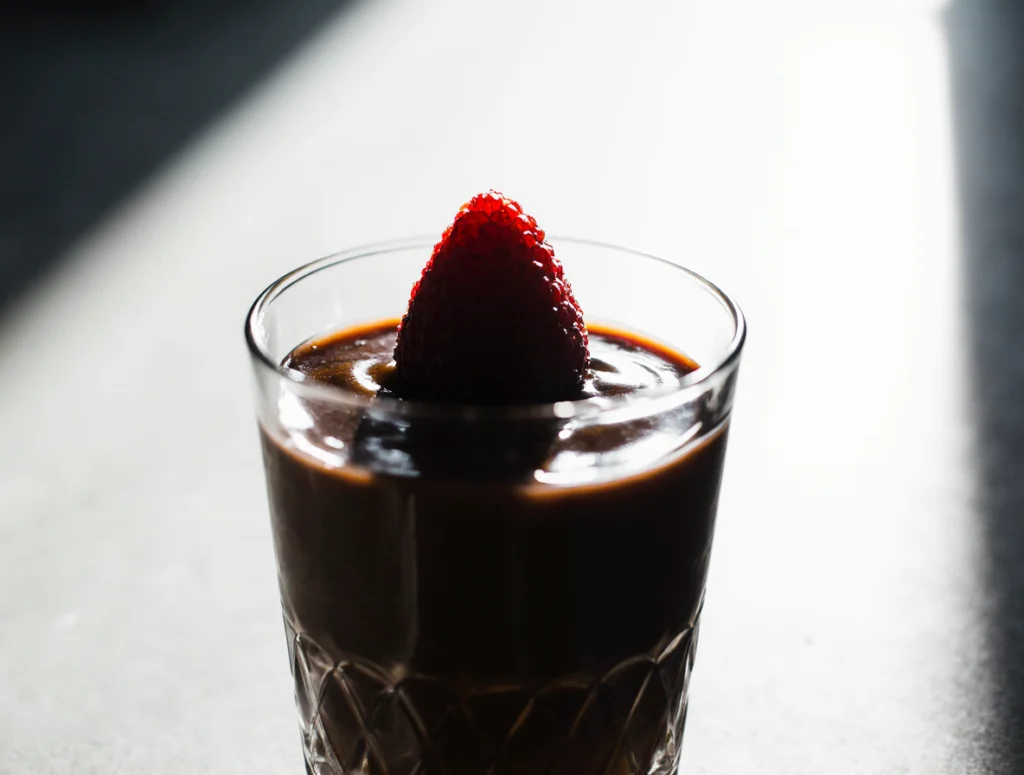
Whether you choose to make a classic dark version, a sweet white chocolate panna cotta, or a zesty panna cotta orange delight, this dessert is sure to impress. It is the ultimate recipe for chocolate panna cotta that every home cook should have in their repertoire.
So, gather your ingredients, grab your whisk, and prepare to fall in love with the wobble. Happy cooking!