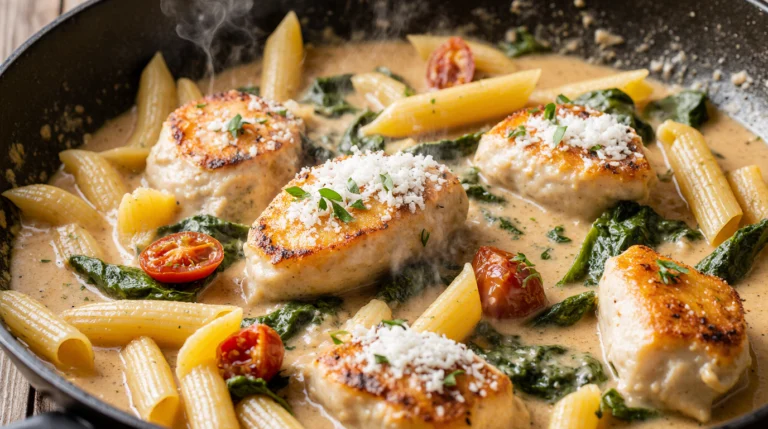
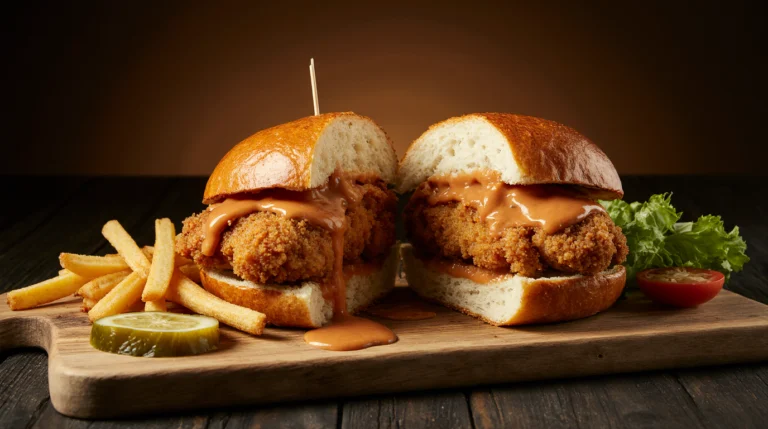
The Perfect Pan Fried Chicken: A 7-Step Guide to Crispy, Juicy Bliss
Table of Contents
Introduction
There is something universally beloved about pan fried chicken. It is the sound of the sizzle as the meat hits the hot oil, the golden-brown crust that shatters when you bite into it, and the juicy, tender meat inside that makes it a weeknight staple and a Sunday feast alike. Unlike deep frying, which requires vats of oil and a lot of cleanup, pan frying is an approachable, “everyman” technique. It is the bridge between a quick sauté and a deep-fried indulgence.
In this ultimate guide, we are going to master the art of pan fried chicken. We will cover everything from the science of the sear to the best marinades. We will answer burning questions like can you fry chicken in olive oil, explore the best oil to fry chicken, and even look at modern alternatives like the air fryer boneless chicken breast.
Whether you are looking for a classic fried chicken breast recipe or experimenting with pan fried chicken thighs, this post is your new culinary bible. If you are a poultry enthusiast, don’t forget to check out more incredible dinner ideas at My Chicken Recipes.
What Exactly is Pan Fried Chicken?
At its simplest, pan fried chicken is chicken cooked in a skillet with a moderate amount of fat—enough to coat the bottom of the pan and perhaps come halfway up the sides of the chicken, but not enough to submerge it completely. This technique, often called shallow frying, relies on direct contact with the hot metal of the pan (conduction) and the hot oil (convection) to cook the meat.
The Texture Profile
A perfect pan fried chicken recipe results in a distinct texture profile:
- The Crust: Whether it is a simple pan seared chicken breast with just salt and pepper, or a breaded cutlet, the goal is a crispy exterior.
- The Meat: Because the heat is direct, the cooking time is relatively fast, preserving the moisture.
- The Fond: One of the biggest advantages of pan frying is the “fond”—the sticky, browned bits left in the pan. These are pure flavor gold and form the base of a delicious pan sauce, perhaps a rich chicken butter sauce or a tangy lemon glaze.
The Cuts: Breast, Thigh, or Tenders?
The beauty of this method is its versatility. You can pan fry chicken of almost any cut, but the technique varies slightly for each.
Pan Fried Chicken Breast
The pan fried chicken breast is the most popular choice for healthy, quick dinners. However, breasts are lean and prone to drying out.
- Preparation: To ensure even cooking, you must pound the breast to an even thickness or slice it horizontally into cutlets.
- Cooking Time: A pan seared chicken breast usually takes about 5-7 minutes per side, depending on thickness.
Pan Fried Chicken Thighs
For those who prefer dark meat, pan fried chicken thighs are superior. They have more fat and connective tissue, which renders down to keep the meat juicy.
- Skin-On vs. Skinless: A skin on chicken breast or thigh offers a built-in crispy layer. Start skin-side down to render the fat and get that crackling texture.
- Timing: How long to pan fry chicken thighs? These take a bit longer than breasts, usually 6-9 minutes per side.
Chicken Tenders and Strips
Perfect for kids or game day snacks, tenders cook incredibly fast. A fried chicken strips recipe is often a crowd favorite because of the high crust-to-meat ratio.
- Timing: How long to fry chicken tenders? These little guys only need about 3-4 minutes per side. Overcooking them turns them into rubber.
The Great Oil Debate: What is the Best Oil to Fry Chicken?
Choosing the best oil to fry chicken is critical. You need an oil with a high smoke point because pan frying happens at medium-high heat (usually around 350°F to 375°F). If your oil smokes, it breaks down, tastes bitter, and releases unhealthy compounds.
The Top Contenders
- Canola Oil: Canola oil frying chicken is a standard industry practice. It has a high smoke point (400°F) and a neutral flavor, letting the chicken’s seasoning shine.
- Vegetable Oil: Similar to canola, it is cheap, accessible, and effective.
- Peanut Oil: The gold standard for many Southern cooks. It adds a subtle nutty flavor and handles high heat beautifully.
- Avocado Oil: An excellent, albeit expensive, choice for a healthy fat with a very high smoke point.
Can You Fry Chicken in Olive Oil?
A common question is: can u fry chicken in olive oil? The answer is yes, but with a caveat. Extra virgin olive oil has a low smoke point and will burn. However, light or refined olive oil works perfectly fine for pan frying. It adds a distinct Mediterranean flavor. Just monitor your heat carefully.
Step-by-Step: The Classic Pan Fried Chicken Breast Recipe
Let’s walk through a foolproof method for a fried chicken breast recipe.
Step 1: Prepare the Chicken
Take your boneless, skinless chicken breasts. If they are thick, butterfly them or pound them between two sheets of plastic wrap until they are about 1/2 inch thick. This ensures they cook evenly without burning the outside.
Step 2: The Seasoning
Good seasoning for chicken breast is non-negotiable. At a minimum, you need Kosher salt and freshly cracked black pepper. For a bolder flavor, create a rub with paprika, garlic powder, onion powder, and dried herbs like thyme or oregano.
- Tip: If you have time, dry brine the chicken (salt it and let it sit in the fridge) for an hour. This draws moisture to the surface, which is then reabsorbed, seasoning the meat deep down.
Step 3: The Dredge (Optional but Recommended)
For a crispy chicken strips recipe or a crusted breast, set up a dredging station.
- Flour: Seasoned with salt and pepper.
- Egg Wash: Beaten eggs, maybe with a splash of water or hot sauce.
- Breadcrumbs: Panko offers the most crunch. For an almond crusted chicken, swap breadcrumbs for crushed almonds.

Step 4: Heat the Pan
Place a heavy skillet (cast iron is king here) over medium-high heat. Add your chosen fat. Best oil to fry chicken here would be canola or vegetable oil. You know it’s ready when the oil shimmers and moves quickly across the pan.
Step 5: The Sear
Lay the chicken away from you to avoid splashing hot oil. Do not crowd the pan! If you pack too many pieces in, the temperature drops, and the chicken steams instead of searing. This is the death of pan fried chicken.
Step 6: The Flip
Cook undisturbed until the chicken releases easily from the pan and is golden brown. Flip and cook the other side.
- How to pan fry chicken breast effectively means patience. Don’t poke and prod it constantly.
Step 7: Rest
Remove the chicken from the pan and let it rest on a wire rack or plate for 5 minutes. This allows the juices to redistribute.
Variations on the Theme
The “Naked” Sear
Sometimes you don’t want breading. A simple pan seared chicken is excellent for slicing onto salads. The key here is high heat to get a Maillard reaction (browning) on the meat itself. This is often referred to as pan roasting if you finish it in the oven.
Buttermilk Fried Chicken (Without the Deep Fryer)
You can adapt a fried chicken recipe without buttermilk deep frying by shallow frying it. Marinate the chicken in buttermilk and spices for a few hours. The acidity tenderizes the meat. Then dredge in flour and pan fry. The buttermilk creates a craggy, thick crust that holds onto the oil.
Sour Cream Chicken
For a tangy twist, try a chicken sour cream recipe. Marinate the chicken in sour cream mixed with chives and garlic. The thick marinade adheres to the meat and keeps it incredibly moist during the fry.
Fried Chicken Tenders
A fried chicken tenders recipes usually involves a sweeter batter or breading, often catering to kids. How long do you fry chicken tenders depends on the breading thickness, but keep an eye on them—they burn fast.
The Air Fryer Alternative
We cannot ignore the modern kitchen revolution. The air fryer boneless chicken breast is a worthy competitor to the pan-fried version.
Why Use an Air Fryer?
- Health: It uses significantly less oil.
- Speed: It cooks faster than an oven.
- Crispiness: The circulating hot air mimics the convection of deep frying.
Recipe: Air Fry Boneless Chicken Breast
- Preheat air fryer to 375°F.
- Brush chicken with a little oil (olive or avocado).
- Season generously.
- Cook for 10-12 minutes, flipping halfway.
- Check internal temperature (165°F).
For a chicken tender air fryer method, the process is the same, but reduce the time to 7-8 minutes. It’s the perfect way to get a fried chicken strips recipe result without the mess of oil splatters.
Advanced Techniques: Sauces and Finishes
Once you have mastered how to pan fry chicken, the next level is the sauce.
Pan Sauces
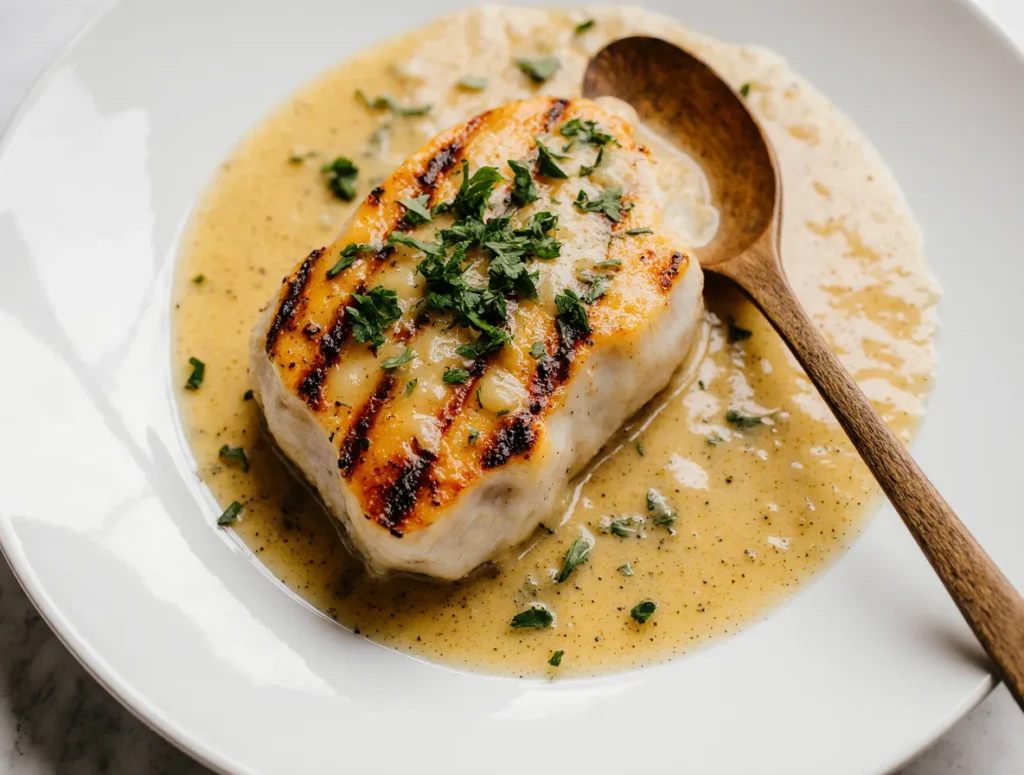
After removing your pan fried chicken breast, look at the pan. Those brown bits? That is flavor.
- Deglaze: Add a splash of white wine, chicken broth, or lemon juice while the pan is hot. Scrape up the bits.
- Simmer: Let the liquid reduce by half.
- Mount: Turn off the heat and swirl in a tablespoon of cold butter. This creates a glossy, rich emulsion.
Creamy Mushroom Sauce
Sauté mushrooms in the leftover chicken fat. Add garlic, then heavy cream. Simmer until thick. Pour over your pan fried chicken thighs for a rustic, hearty meal.
Troubleshooting Your Pan Fried Chicken
Even with the best oil to fry chicken and the best recipe, things can go wrong.
Problem 1: The Breading Falls Off
This usually happens because the chicken was too wet before dredging. Pat your pan fried chicken breast dry with paper towels before it touches flour. Also, let the breaded chicken sit for 10 minutes before frying to let the coating “set.”
Problem 2: Burnt Outside, Raw Inside
Your heat is too high. How to cook chicken on pan without burning involves heat management. If the crust is browning too fast, lower the heat to medium or transfer the skillet to a 350°F oven to finish cooking gently. This is especially common with thick pan fried chicken thighs.
Problem 3: Greasy Chicken
The oil wasn’t hot enough. If the oil isn’t hot, the breading acts like a sponge and soaks it up. Use a thermometer to ensure your oil is around 350°F before adding the fried chicken strips recipe.
FAQ: Common Questions Answered
Q: How do I know when the chicken is done? A: The only foolproof way is a meat thermometer. Chicken is safe at 165°F. For pan fried chicken thighs, you can actually go up to 175°F for a more tender texture.
Q: Can I use butter to fry chicken? A: Butter burns at low temperatures. However, you can use clarified butter (ghee) which has a high smoke point, or mix butter with oil. How to cook chicken pieces in a pan with butter involves finishing with butter at the end for flavor, rather than frying in it from the start.
Q: How to cook breaded chicken so it stays crispy? A: Do not cover the pan! Trapping steam will make the crust soggy. Also, serve immediately or keep warm on a wire rack in the oven, not on a plate where it steams in its own juices.
Q: What is “an fried chicken”? A: This is likely a typo for “pan fried chicken.” If you see this in searches, rest assured the techniques are the same.
Q: How long to deep fry chicken tenders? A: Deep frying is faster than pan frying because the heat surrounds the food. Tenders usually take 3-5 minutes in a deep fryer at 375°F.
Q: How to prepare chicken breast on stove without drying it out? A: Use a lid for the first half of cooking to trap steam (the “steam-fry” method), or pound the breast thin so it cooks quickly before drying out.
Nutrition and Health Considerations
Is pan fried chicken healthy? It certainly can be.
- Portion Control: A standard pan fried chicken breast is a lean source of protein.
- Oil Choice: Using heart-healthy oils like olive or avocado oil improves the profile.
- Breading: Skipping the heavy batter reduces carbs and calories. A light dusting of flour or a “naked” sear is a lighter option.
For those counting calories, the air fryer boneless chicken breast is the clear winner, reducing fat content significantly while satisfying the craving for something crispy.
A Detailed Look at Chicken Strips and Fingers
Let’s dive deeper into the world of fried chicken fingers recipe variations, as these are a household staple.
The Batter
A good batter for chicken strips needs a liquid and a starch.
- Beer Batter: Carbonation makes the crust airy.
- Tempura: Ice cold water and flour for a flaky, Japanese-style crust.
- Standard Dredge: Flour, Egg, Breadcrumb.
Cooking Strips
How to cook chicken strips on the stove differs from whole breasts. Because they are small, you can use slightly higher heat for a shorter time. How long to cook chicken strips on stove? Usually 2-3 minutes per side. Watch them like a hawk.
Pan Frying vs. Deep Frying
While how long to deep fry chicken tenders is short, pan frying gives you more control over the amount of fat used. You can achieve a “fried” taste with just a few tablespoons of oil, making it a more practical method for everyday cooking.
Conclusion: Mastering the Skillet

By now, you should feel confident in your ability to execute a pan fried chicken recipe. Whether you are making an elegant pan seared chicken breast for a date night or a platter of fried chicken strips recipe for the family, the principles remain the same: dry meat, hot oil, proper heat management, and patience.
Remember, the best oil to fry chicken is one that can take the heat. Don’t be afraid to try pan fried chicken thighs for a juicier bite, and if you are in a rush, the air fryer boneless chicken breast is your best friend.
Cooking is a journey. The first time you make pan fried chicken, it might not be perfect. The crust might be a little dark, or the breading a little loose. But with practice, you will learn the rhythm of your stove and your skillet. You will learn exactly how long to fry chicken tenders so they are moist and snappy. You will learn the subtle difference between sauteed chicken breast and a hard sear.
So, get into your kitchen. Grab that cast iron skillet. Preheat your oil. And get ready to make the best chicken of your life.