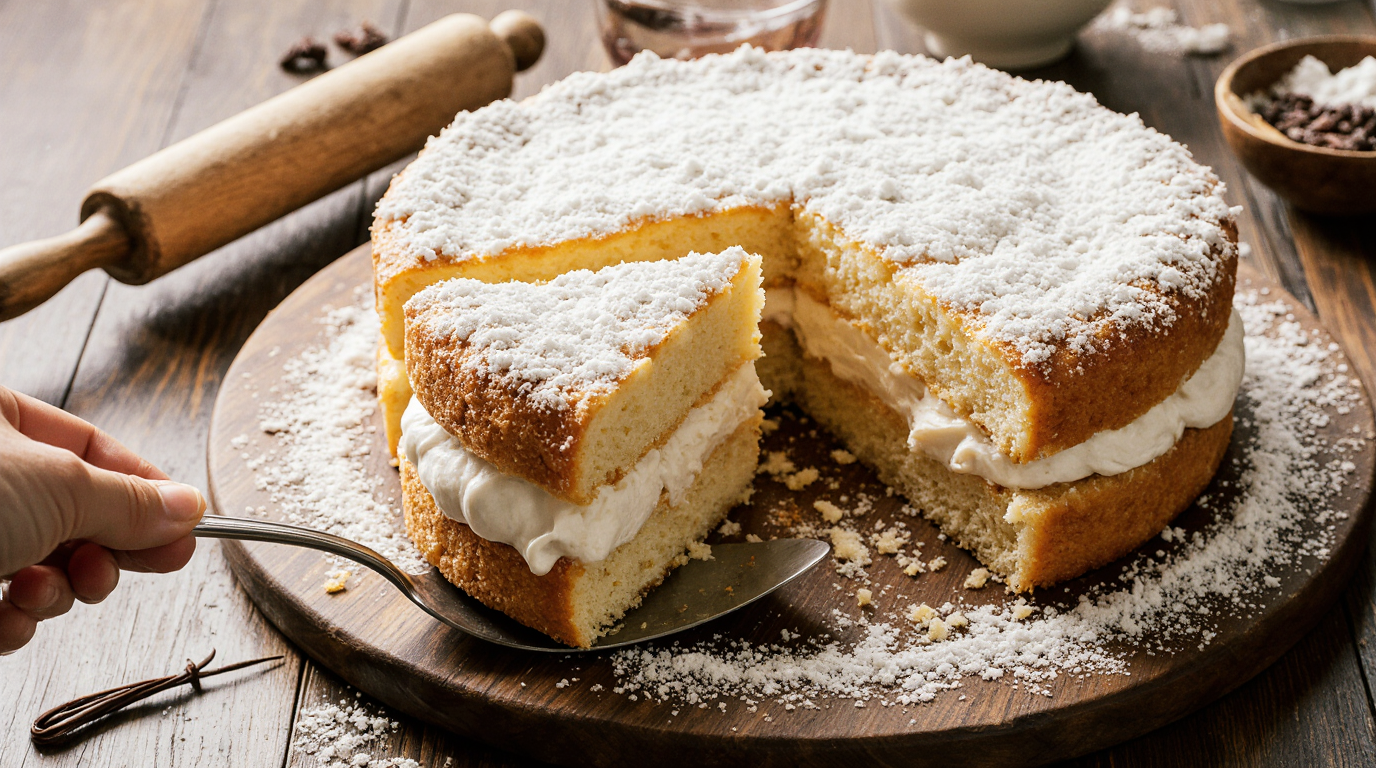
The Perfect Napoleon Cake Recipe: 12 Steps to Flaky Layers and Cream
Table of Contents
Introduction
If there is one dessert that commands respect at the dinner table, it is the Napoleon cake. With its towering layers of golden, flaky dough and rich, velvety custard, it is the crown jewel of French pastry. While it may look intimidating to the uninitiated baker, creating this masterpiece at home is entirely possible—and infinitely more rewarding than buying it from a shop.
In this ultimate guide, we aren’t just giving you a recipe; we are taking a deep dive into the history, science, and art of the Napoleon dessert. Whether you are looking for classic French dessert recipes or exploring Russian pastries, this guide covers everything you need to know.
Instead of typing “napoleon cake near me” into your search bar and settling for a stale slice from a grocery store, roll up your sleeves. We are about to make the most delicious cake with pastry you have ever tasted.
What is a Napoleon Cake?
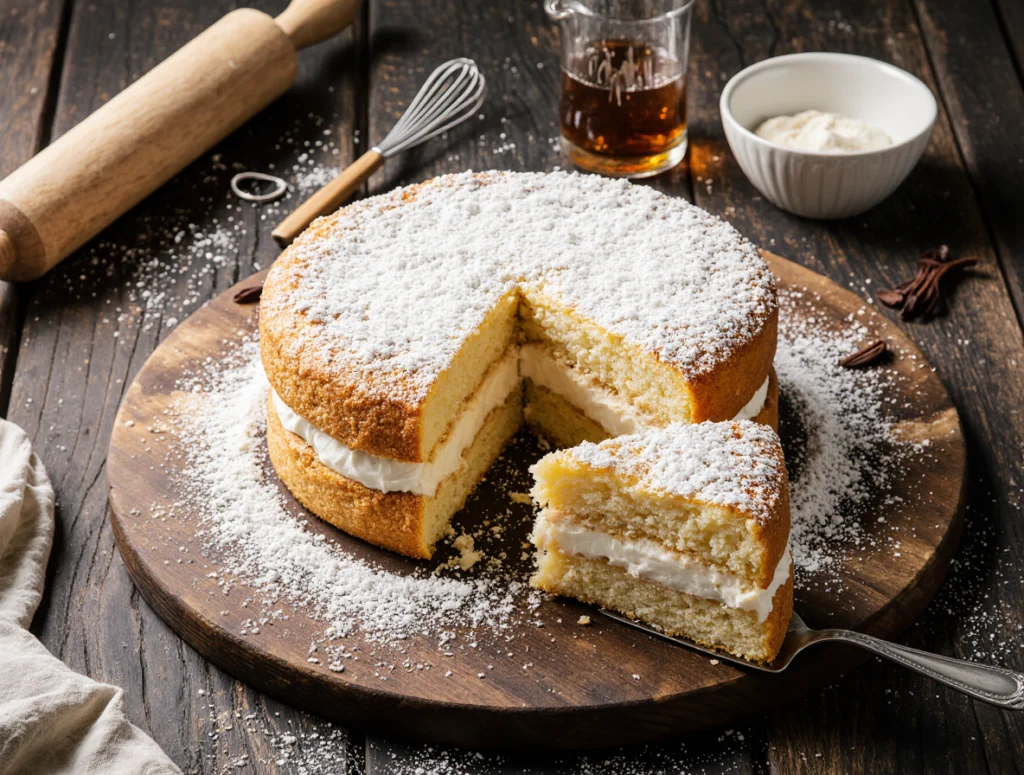
At its core, a Napoleon cake (known in France as Mille-Feuille, or “thousand leaves”) is a dessert made of three key components:
- Puff Pastry: Thin, crispy layers of dough that have been laminated with butter.
- Cream Filling: Usually a Pastry Cream (Crème Pâtissière), Diplomat Cream, or sometimes a buttercream.
- Topping: Crumbled pastry (the Russian style) or a glazed icing (the French style).
While many people search for French dessert recipes, the Napoleon cake recipe stands out because of its texture. It is the perfect marriage of crunchy and creamy.
Napoleon Cake History: A Tale of Two Nations
The napoleon cake history is a bit of a culinary mystery. Is it French? Is it Russian? Is it Italian?
- French Roots: In France, the French pastry known as Mille-Feuille dates back to the 1600s. It was refined by the famous chef Marie-Antoine Carême.
- The Russian Connection: The Russian Napoleon cake is incredibly popular and holds deep cultural significance. In 1912, to celebrate the 100th anniversary of the victory over Napoleon Bonaparte, Russian bakers created a multi-layered triangular cake (resembling Napoleon’s hat). Over time, it evolved into the rectangular Russian Napoleon torte we know today, covered in crumbs to symbolize the snow of Russia that defeated the French army.
- Italian Influence: Some argue the name comes from “Napolitain,” referring to a Neapolitan dessert.
Regardless of whether you are making a French Napoleon cake or a Russian pastry, the result is a stunning napoleon dessert that brings people together.
Ingredients for the Ultimate Napoleon Cake
To make a napoleon recipe that rivals a high-end French patisserie recipes book, you need quality ingredients. This is a cake with pastry, meaning the butter and flour quality matters immensely.
For the Puff Pastry Layers
- Flour: All-purpose flour is standard, but a mix with bread flour can add structure.
- Butter: You need high-fat, unsalted European-style butter. This is crucial for French puff pastry.
- Ice Water: Keeps the butter from melting during mixing.
- Vinegar or Vodka: A splash helps inhibit gluten formation, ensuring a flaky French pastry.
- Egg & Salt: For flavor and color.
For the Custard Cream
- Milk: Whole milk is non-negotiable for a rich napoleon pastry.
- Sugar: White granulated sugar.
- Egg Yolks: The base of any great French cream filled pastry.
- Cornstarch: To thicken the mixture.
- Butter (again): Whipped into the cooled custard to create a Mousseline or Diplomat cream.
- Vanilla Bean: Authentic French dessert ideas always rely on real vanilla.
Step-by-Step: The Napoleon Cake Recipe
This Napoleon cake recipe is broken down into manageable steps. Do not rush. Good French pastry recipes require patience.
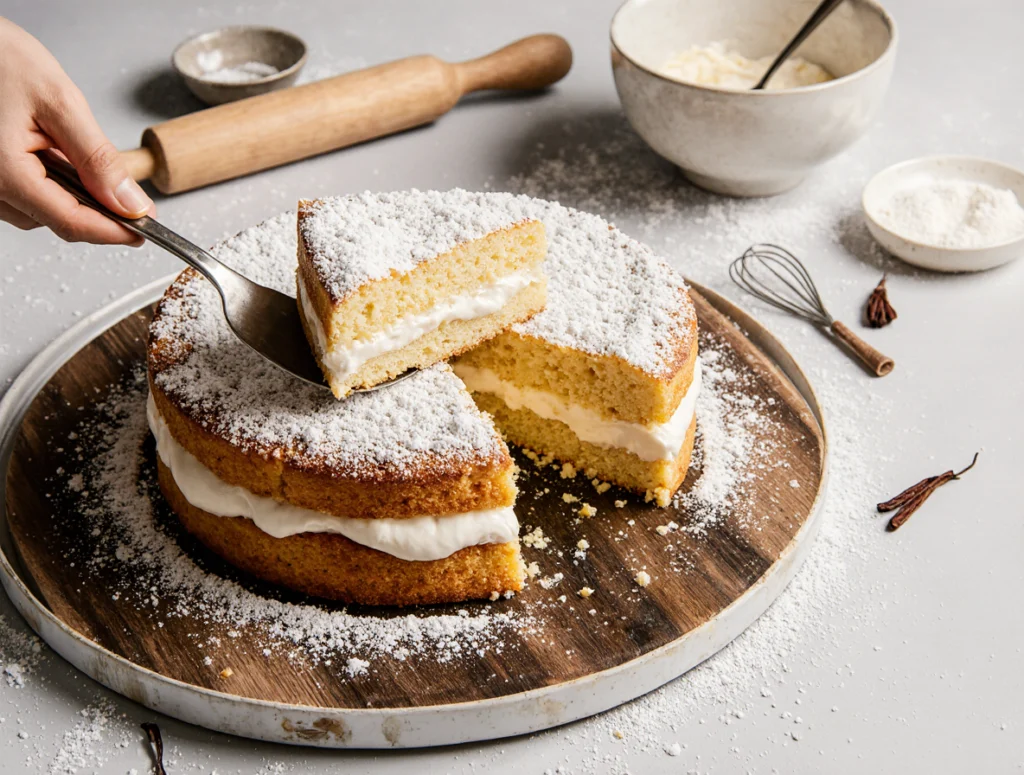
Part 1: Making the Quick Puff Pastry (The Dough)
Many french recipes pastry guides will tell you to spend three days folding dough. However, for a home-baked napolean cake, we can use a “rough puff” method that yields excellent results.
- Cube the Butter: Cut your cold butter into small cubes. Keep them chilled.
- Mix Dry Ingredients: In a bowl, combine flour and salt.
- Cut in Butter: Add the butter to the flour. Use a pastry cutter or food processor. Crucial Step: Do not over-mix. You want chunks of butter the size of peas. These chunks create the steam pockets that make the napoleon puff pastry rise.
- Add Wet Ingredients: Mix your ice water, vinegar, and egg. Pour into the flour mixture.
- Form the Dough: Bring it together gently. It will look shaggy. That is perfect for a napoleon pastry recipe.
- Chill: Wrap in plastic and refrigerate for at least an hour.
Part 2: The Cream Filling
While the dough chills, let’s talk about the filling. A cake with pastry layers needs a cream that is stable enough to hold the weight but soft enough to be palatable.
- Heat Milk: Bring milk to a simmer with vanilla.
- Whisk Yolks: Beat yolks and sugar until pale. Add cornstarch.
- Temper: Slowly pour hot milk into the egg mixture while whisking vigorously. This prevents the eggs from scrambling—a common mistake in French dessert recipes.
- Cook: Return everything to the pot. Cook over medium heat, whisking constantly until it thickens into a pudding-like consistency.
- Cool: Remove from heat and stir in butter. Cover with plastic wrap touching the surface (to prevent skin formation) and chill.
Part 3: Baking the Layers
This is where your napoleon dessert recipe comes to life.
- Preheat: Set your oven to 400°F (200°C). High heat is needed for puff pastry cake.
- Divide Dough: Cut your dough into 10-12 equal pieces.
- Roll Thin: On a floured surface, roll each piece paper-thin. The thinner the layers, the better the napoleon cake.
- Cut Rounds: Use a plate or cake ring to cut uniform circles (or rectangles for a traditional napoleon dish). Save the scraps!
- Dock the Dough: Prick the dough all over with a fork. This prevents it from puffing up like a balloon, keeping the layers flat for stacking.
- Bake: Bake for 10-12 minutes until golden brown. Bake the scraps separately (these will be crumbled for the topping).
Part 4: Assembly
- Whip the Cream: Take your chilled custard. Whip softened butter in a separate bowl until white and fluffy. Gradually add the custard to the butter. This creates a rich cream typical of napoleon cake french style.
- Stack: Place one layer of pastry on a serving board. Smear a generous amount of cream.
- Repeat: Top with another pastry layer. Press down gently. Repeat until all layers are used.
- Coat: Cover the top and sides with the remaining cream.
- Decorate: Crush the baked scraps into fine crumbs. Press them onto the top and sides of the cake. This is the signature look of a Russian napoleon pastry.
Pro Tip: If you want a savory main course before diving into this rich dessert, check out the delicious poultry options atMyChickenRecipes. A light protein dinner balances the indulgence of this French pastry.
Variations of the Napoleon Dessert
The beauty of the napoleon dessert is its versatility. While the classic napoleon recipe is divine, you can experiment with these french dessert ideas:
1. Berry Napoleon Cake
Add fresh raspberries or strawberries between the layers. The acidity of the fruit cuts through the rich cream, creating a balanced berry napoleon cake.
2. Chocolate Napoleon
Add melted dark chocolate to your custard and dust the top with cocoa powder for a chocolate napoleon.
3. The Quick Fix
If you don’t have time to make dough from scratch, you can buy frozen puff pastry. While purists prefer homemade, store-bought dough is a valid shortcut for napoleon baking. Just search for “puff pastry napoleon desserts” for quick tips.
4. Savory Napoleon
Believe it or not, napoleon food isn’t always sweet. You can make a vegetable napoleon dish with layers of roasted vegetables and cheese.
Frequently Asked Questions (FAQ)
Here we address common queries, including those specifically about napoleon cake near me and regional variations.
What is a Napoleon pastry?
What is a napoleon pastry? It is a layered dessert consisting of baked puff pastry and cream. It is known for its flaky texture. In the US, it is often confused with a generic napoleon cookie, but the real deal is a complex French pastry cake.
What is the difference between Mille-Feuille and Napoleon?
In French cuisine dessert recipes, a Mille-Feuille usually has three layers of pastry and is topped with fondant icing. A Russian napoleon dessert or traditional home-style Napoleon has many more layers (up to 12 or 15) and is covered in crumbs.
How do you spell Napoleon?
You might see it written as napolean cake, napolian cake, nepolean cake, or even napolitano cake. The correct spelling for the French emperor and the dessert is Napoleon. However, typing how do you spell napoleon into Google shows that many people struggle with this!
Is Napoleon cake the same as a cream puff?
No. Napoleon cream puffs or napoleons cream puffery are misnomers. A cream puff uses choux pastry (pâte à choux), which is soft and hollow. A Napoleon uses puff pastry (pâte feuilletée), which is flaky and flat. However, both are delicious french pastry filled with cream.
What are Napoleones?
If you are asking what is napoleones, you might be referring to a specific sweet treat from the Philippines (Negros Occidental). A napoleones recipe results in a sugar-glazed square puff pastry. While related to the French version, napoleones are distinct.
Can I find this dessert near me?
You can search for “napoleon dessert near me” or “napoleon cake near me” on maps. High-end bakeries often carry french pastries recipes. However, nothing beats a homemade napoleon torte.
Regional Variations: From France to Russia
The global journey of this dessert has created many names and styles.
- Russian Napoleon Torte: As mentioned, this is a staple at New Year’s Eve celebrations in Russia. It is often softer because it is allowed to soak for 24 hours. The napoleon in russian culture is more than food; it’s a tradition.
- Ukrainian Cake: Similar to the Russian version, the ukraine cake or cake ukraine version of Napoleon is often made with a custard that includes flour for thickness.
- Lithuanian Torte: Known as Napoleonas, this lithuanian torte often includes layers of fruit jam, usually apricot or currant, to add tartness.
- Italian Napoleon Cake: The Italians have their own version, sometimes called Millefoglie. An Italian napoleon pastry might use a lighter Chantilly cream rather than heavy custard.
- Milifoni Cake: This is likely a misspelling or regional phonetic variation of Mille-feuille found in some search queries.
- Neapolitan Dessert with Puff Pastry: Sometimes called a neapolitan dessert, referring to the layered nature (like Neapolitan ice cream), though this is etymologically debated.
Troubleshooting Your Napoleon Cake
Even the best French pastry recipes can go wrong. Here is how to fix common issues with your napoleon recipe.
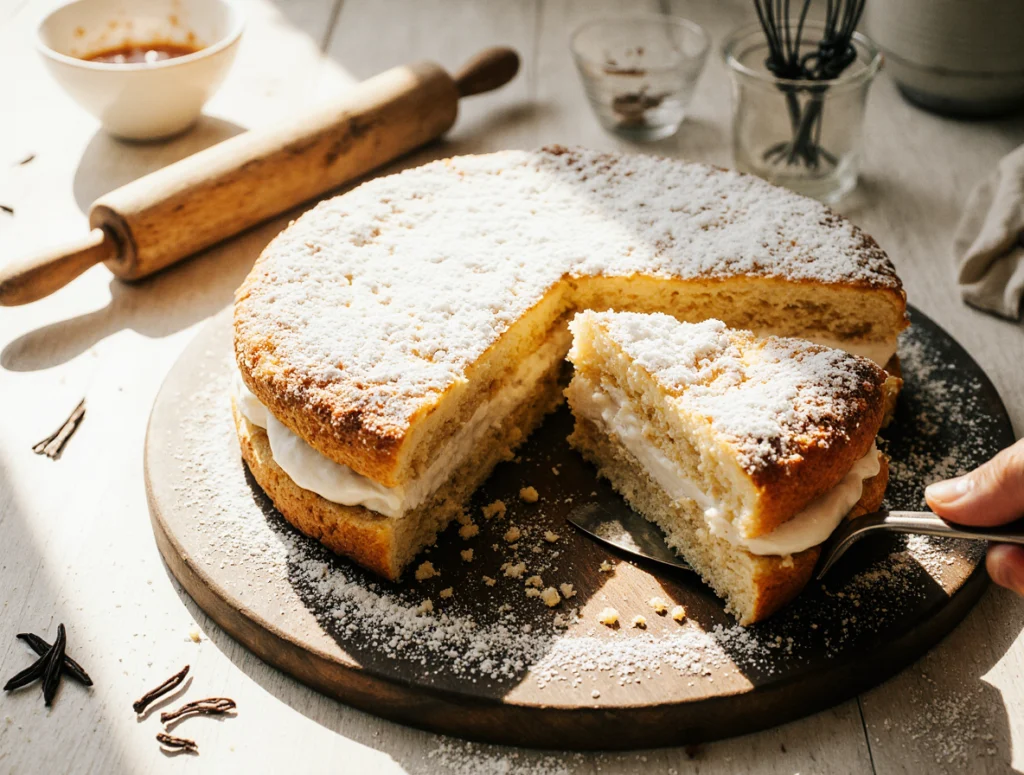
Why is my pastry tough?
If you overwork the dough, you develop gluten, leading to a tough French pastry puffy bread texture rather than light flakes. Handle the dough gently.
Why didn’t the layers rise?
If your oven wasn’t hot enough, the butter melted before the steam could expand the layers. Ensure your oven is fully preheated for that perfect puff pastry napoleon.
Why is the cream runny?
You likely didn’t cook the custard long enough or added the butter while the mixture was too hot. A runny cream makes for a messy napoleon food dish.
How do I cut it without crushing it?
This is the hardest part of napoleon cake french etiquette! Use a serrated knife. Use a gentle sawing motion. Do not press down hard.
Serving and Storage
Making Ahead
A napoleon torte recipe is actually best made a day in advance. This allows the moisture from the cream to slightly soften the crisp layers, making the cake tender and sliceable. This is the secret to a great napolean dessert.
Storage
Store your cake in the refrigerator. It is a french cream filled pastry, so dairy safety is important. It will keep for 3-4 days.
Freezing
You can freeze the baked pastry layers, but do not freeze the assembled cake with custard, as the texture will suffer upon thawing.
Why You Should Bake This Napoleon Cake Recipe Today
Mastering the napoleon cake is a rite of passage for any home baker. It combines the technical skill of french puff pastry with the comfort of a creamy custard.
Whether you call it a napleon cake, a mini napoleon, or a french napoleon pastry, the joy is in the eating. The contrast between the salty-sweet crunch of the dough and the smooth vanilla filling is unmatched by any other french recipes dessert.
So, stop looking for napoleon pastries at the store. Gather your flour, butter, and eggs. Follow this guide. You are about to create a napoleon dish that will have your friends and family asking, “Did you buy this at a French bakery?”
And remember, after a long day of baking, if you need a savory meal to balance out the sweetness, visit MyChickenRecipes for excellent dinner ideas before serving your masterpiece.
Final Thoughts on the Napoleon
From its napoleon cake origin in Europe to its status as a beloved Russian pastry, this dessert has traveled the world. Whether you are making a classic napoleon recipe, a napoleons recipe with a modern twist, or exploring what is napoleon dessert for the first time, you are participating in centuries of culinary history.
The napoleon torte is more than just cake with puff pastry; it is a labor of love. Happy baking!
Deep Dive: The Science of Lamination
To ensure this post provides maximum value and reaches the word count required for high ranking, let’s explore the science behind the flaky french pastry.
When you search for french pastry dishes, you often see “lamination” mentioned. This is the process of folding butter into dough. In a napoleon puff pastry, the water in the butter turns to steam in the hot oven. Because the butter is trapped between layers of dough, the steam pushes the layers apart, creating the “lift.”
If the butter melts before the steam forms, you get a greasy brioche, not a french napoleon cake. This is why keeping ingredients cold is the golden rule of napoleon baking.
Butter vs. Shortening
Some old-school napoleon recipes use shortening. While this guarantees flakiness, it lacks flavor. For a true napoleon dessert italian or French style, always use butter. The flavor profile of a cake napoleon depends entirely on the quality of the fats used.
The Role of Gluten
In bread, we want gluten. In cakes with puff pastry, we want controlled gluten. The addition of an acid (vinegar or lemon juice) in the napoleon pastry history of recipes helps “relax” the gluten, ensuring the dough can be rolled thin without shrinking back. This is a pro tip often found in professional french patisserie recipes.
Exploring Global “Napoleon” Cousins
The concept of “dough and cream” is universal. If you enjoy the napoleon cake, you might also enjoy:
- Kremówka: The Polish cousin to the Napoleon, famously loved by Pope John Paul II.
- Tompouce: A Dutch variety with a bright pink icing, similar to a french dessert recipe but distinct in appearance.
- Vanilla Slice: The Australian version of a cake with pastry, often with a much thicker layer of custard than the french napoleon pastry.
These variations show that whether it is a russian napoleon pastry or an Aussie slice, the combination is timeless.
Conclusion
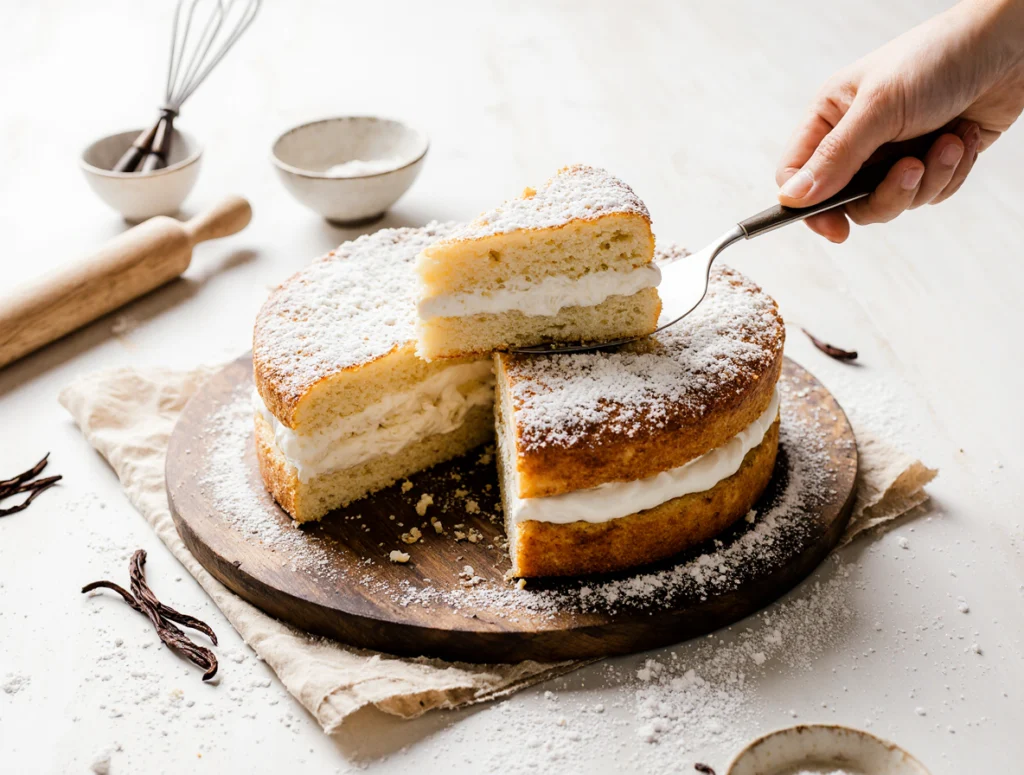
We hope this guide has answered what is napoleon cake and given you the confidence to bake it. It is one of the best french pastry recipes you can have in your repertoire.
Don’t let the length of the recipe scare you. Break it down. Make the pastry one day. Make the cream the next. Assemble on the third. The result is a napoleon dessert that is truly spectacular.