The Perfect Cucumber Kimchi Recipe: 8 Steps to Crunchy, Spicy Heaven
Table of Contents
Introduction
There is a specific sound that defines a great Korean meal. It isn’t the sizzle of meat on a grill or the bubbling of a stew; it is the distinct, sharp crunch of biting into a fresh piece of cucumber kimchi.
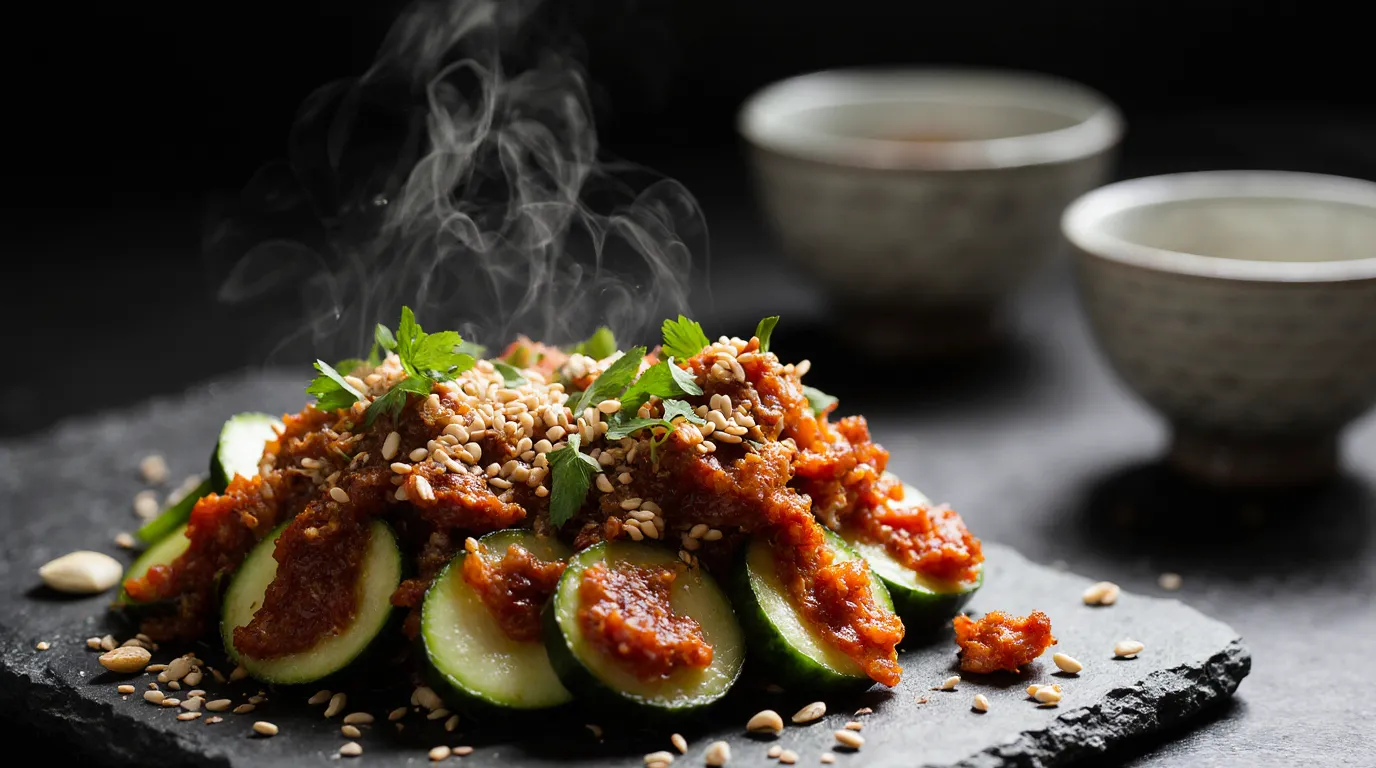
Known in Korea as Oi Sobagi (stuffed cucumber) or Oi Muchim (sliced cucumber salad), this dish is the rebellious, refreshing cousin of the more famous Napa cabbage kimchi. It doesn’t require months of fermentation in a buried clay pot. It is quick, it is vibrant, and it captures the essence of summer on a plate.
If you have been searching for the ultimate cucumber kimchi recipe, you have arrived at the right place. This isn’t just a list of ingredients; it is a masterclass. We are going to explore the science of crunch, the balance of heat and sweet, and the techniques that will turn you into a pro at making korean pickled cucumber.
Whether you want a quick side dish for your Tuesday night dinner or you are planning a full Korean feast, learning how to make cucumber kimchi is a skill that will serve you for a lifetime.
What Exactly is Cucumber Kimchi?
To understand the recipe, we must first understand the dish. “Kimchi” is a verb as much as it is a noun—it refers to the technique of salting and seasoning vegetables.
Cucumber kimchi is a variety of kimchi that is usually eaten fresh or only lightly fermented. While cabbage kimchi gets its flavor from deep, sour fermentation over time, kimchi cucumber relies on the freshness of the vegetable. It is crisp, hydrating, and coated in a spicy, garlic-laden paste that makes your tastebuds dance.
It falls into the category of Banchan, the small side dishes that accompany Korean rice and soup. However, unlike preserved radish or dried anchovies, kimchi cucumber pickles are best consumed within a week or two. They are a celebration of immediacy.
The Two Main Styles
- Oi Sobagi: This is the fancy version. The cucumber is slit lengthwise (but not all the way through) to create a pocket, which is then stuffed with seasoning and vegetables. This is the style we will focus on for our recipe for kimchi cucumbers, as it is the most impressive.
- Oi Muchim: This translates roughly to “mixed cucumber.” It is sliced into coins and tossed with seasoning. It’s essentially a kimchi cucumber salad.
The Key Ingredients: A Deep Dive
The difference between a mediocre kimchi cucumber recipe and a world-class one lies in the sourcing of three or four key ingredients. Let’s break them down so you know exactly what to look for at the grocery store.
1. The Cucumber (The Foundation)
You cannot use just any cucumber. If you use a standard, waxy American slicing cucumber, your result will be watery and mushy. You need a cucumber with low water content and thin skin.
- Korean Cucumbers: These are the gold standard. They are long, slender, light green, and have very few seeds. They stay incredibly crunchy.
- Kirby Cucumbers: These are the short, bumpy pickling cucumbers often found in Western supermarkets. They are an excellent substitute for making kimchi cucumber.
- English Cucumbers: In a pinch, you can use these, but you must salt them thoroughly to draw out the excess moisture.
2. Gochugaru (The Heat)
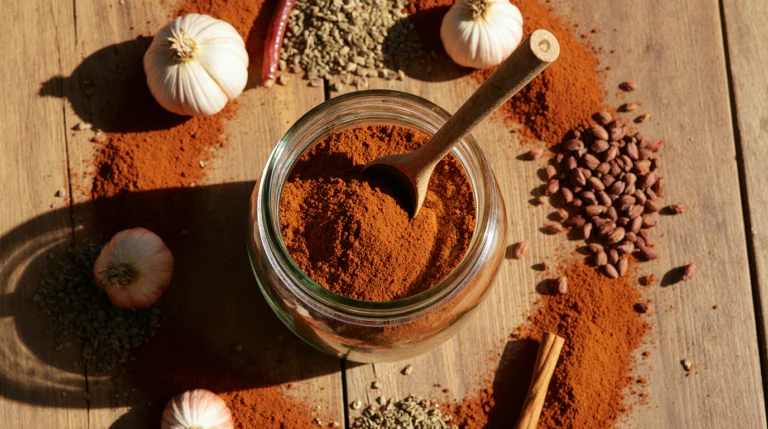
You cannot make korean pickled cucumber with hot sauce or crushed red pepper flakes from a pizza place. You need Gochugaru, or Korean red chili flakes. It is sun-dried, creating a flavor profile that is smoky, sweet, and spicy all at once. It provides the signature red vibrancy to the kimchi cucumber recipe.
3. Fish Sauce and Saeujeot (The Umami)
To get that deep, savory flavor, you need fish sauce. Some advanced kimchi cucumber recipes also call for Saeujeot (salted fermented shrimp). If you can find the shrimp, mince them up and add them; if not, a good quality fish sauce works perfectly fine.
4. Coarse Sea Salt (The Texture)
Do not use table salt. Table salt contains iodine and anti-caking agents that can discolor your pickles and give them a metallic taste. Use coarse sea salt or kosher salt for the brining process.
Step-by-Step: How to Make Cucumber Kimchi
Here is the detailed process. We will break this recipe for kimchi cucumbers down into manageable stages so you don’t feel overwhelmed.
Phase 1: Preparation and Salting
Step 1: Washing and Cutting Wash your cucumbers gently. If you are using Kirby cucumbers, scrub the bumps lightly. Trim the ends. Now, for the traditional oi sobagi cut:
- Cut the cucumber into segments about 2 to 3 inches long.
- Stand a segment on one end.
- Slice down from the top in a cross shape, stopping about 1/2 inch from the bottom. The goal is to create a pocket while keeping the base intact.
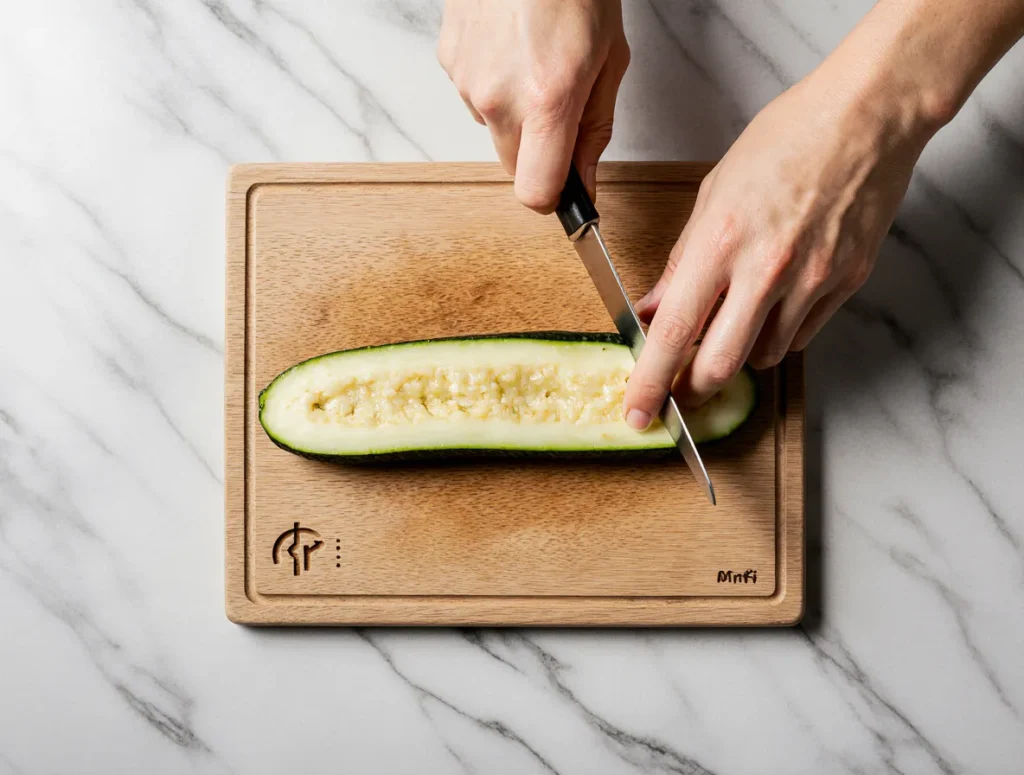
Step 2: The Brine This is the secret to how to make cucumber kimchi that stays crunchy. You must draw the water out. Place your cucumbers in a large bowl. Sprinkle coarse sea salt generously over them, making sure to get salt inside the slits you just cut. Let them sit for 45 minutes.
The Science: The salt creates a hypertonic environment. Through osmosis, water leaves the cucumber cells. This concentrates the cucumber flavor and toughens the cell walls, ensuring your kimchi cucumber pickles have that satisfying snap.
Step 3: The Rinse After 45 minutes, bend a cucumber. It should be flexible, not brittle. Rinse them thoroughly under cold water to remove the excess surface salt. If you skip this, your kimchi cucumber recipe will be inedibly salty. Pro Tip: Place the cucumbers cut-side down in a colander and let them drain for 20 minutes. We want them dry.
Phase 2: The Seasoning Paste (Yangnyeom)
Step 4: The Slurry (Optional) For a truly authentic texture, some cooks make a rice flour glue (porridge). Mix 1 tablespoon of glutinous rice flour with 1/2 cup water and simmer until it creates a paste. Let it cool. This helps the pepper flakes stick to the slippery kimchi cucumber. Note: You can skip this for an easier version.
Step 5: Mixing the Aromatics In a mixing bowl, combine:
- Gochugaru (Red pepper flakes)
- Minced garlic (be generous!)
- Minced ginger
- Fish sauce
- Sugar or plum extract (to feed the fermentation bacteria)
- The cooled rice paste (if using)
Mix this until it forms a thick, red mud.
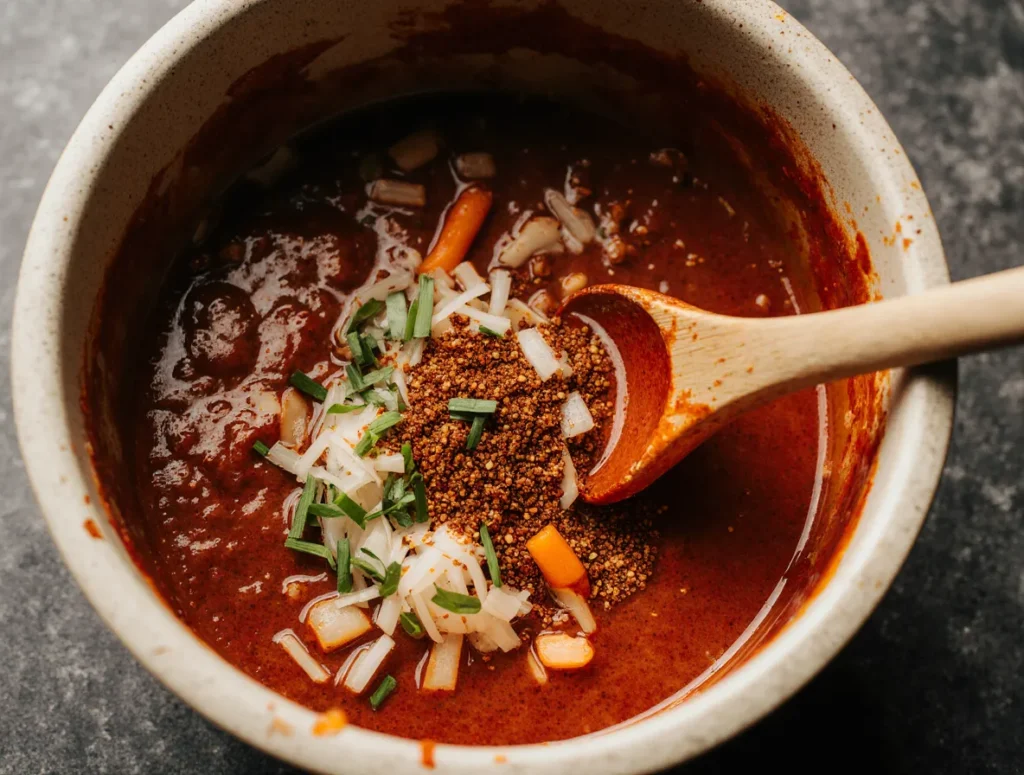
Step 6: Adding the Vegetables To the red paste, add:
- Chopped garlic chives (known as Buchu). These are essential for the classic oi kimchi flavor.
- Julienned carrots (for color and crunch).
- Thinly sliced onions.
Mix everything together. You now have the filling for your kimchi cucumbers.
Phase 3: Stuffing and Storing
Step 7: Stuffing Put on disposable gloves. The chili can stain your hands and burn if you touch your eyes later. Pick up a cucumber segment, gently pry open the “cross” cut, and stuff the seasoning paste inside. Don’t be shy—pack it in there. Rub any remaining sauce over the outside of the cucumbers.
Step 8: Fermentation Decision Pack the cucumbers into an airtight glass container (plastic can get stained).
- For Fresh Eating: You can eat this immediately as a cucumber kimchi salad. It will be crisp and refreshing.
- For Fermented Flavor: Leave the jar on the kitchen counter for 12 to 24 hours. You will see bubbles forming. This indicates the lactobacillus bacteria are active. Then, move it to the fridge.
Why You Will Love This Recipe
There are countless side dishes in the world, so why choose this cucumber kimchi recipe?
- Simplicity: Unlike cabbage kimchi, which involves soaking leaves in brine for hours and making massive batches, recipe for kimchi cucumbers is manageable. You can make a small batch with just 4 or 5 cucumbers.
- Texture: There is nothing quite like the texture of a korean pickled cucumber. It provides a cooling contrast to hot soups and grilled meats.
- Health: It is packed with probiotics, vitamins, and hydration.
- Versatility: It works as a snack, a side, or a topping.
Troubleshooting: Why Is My Kimchi Mushy?
The biggest fear when learning how to make kimchi cucumber is ending up with a soft, soggy mess. If your kimchi lacks crunch, here is likely what happened:
- Insufficient Salting: You didn’t leave the salt on long enough, or you didn’t use enough salt. If the water isn’t drawn out before seasoning, it will seep out after seasoning, diluting the flavor and ruining the texture of your kimchi cucumber.
- Wrong Cucumber Variety: As mentioned, American slicing cucumbers have too much water. Stick to Kirby or Korean varieties for the best kimchi cucumber pickles.
- Over-Fermentation: Cucumbers degrade faster than cabbage. If you leave it out of the fridge for 2 or 3 days, it will turn soft. Move it to the cold quickly.
Serving Suggestions: The Perfect Menu
Now that you have your kimchi cucumbers recipe complete, what should you serve it with? The spicy, acidic profile cuts through fat beautifully.
- Korean BBQ: The classic pairing. Galbi (short ribs) or Samgyeopsal (pork belly) are heavy and fatty. A bite of cucumber salad kimchi cleanses the palate.
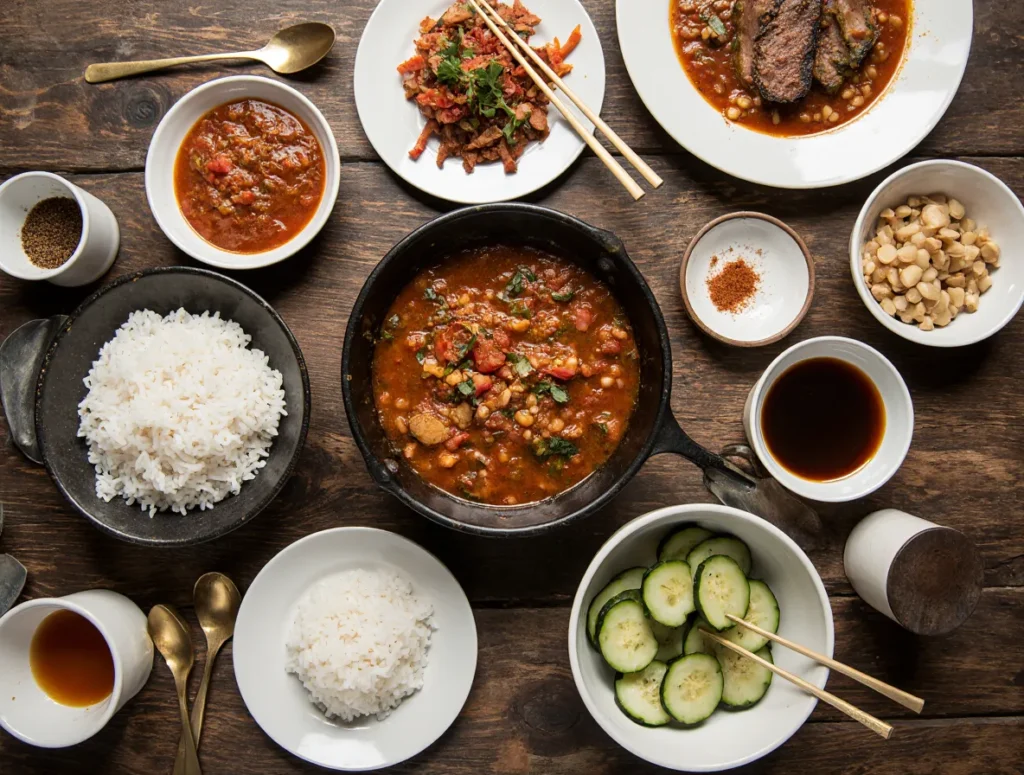
- Fried Chicken: This is an underrated combination. The crunch of the chicken matches the crunch of the pickle. If you are looking for the absolute best chicken recipes to pair with this, you need to visit My Chicken Recipes. They have incredible options that would sit perfectly alongside a bowl of spicy cucumbers.
- Rice Bowls: A simple bowl of steamed white rice, a fried egg with a runny yolk, and a side of oi sobagi is a comfort meal for millions.
Variations on the Classic
Once you master the traditional method, you can start experimenting with variations of the cucumber kimchi recipe.
1. The “Easy” Sliced Version
If you don’t have time to stuff cucumbers, just chop them into rounds. Toss them with the same ingredients. This easy cucumber kimchi recipe tastes 90% the same but takes half the effort. It creates a dish that looks more like a standard salad.
2. The Non-Spicy Version (Baek Oi Kimchi)
For children or those who can’t handle spice, you can make white cucumber kimchi. Skip the Gochugaru. Focus on garlic, salt, a little sugar, and perhaps some vinegar. This results in a refreshing, tangy korean cucumber pickle without the fire.
3. The Vegan Approach
The traditional recipe for kimchi cucumbers uses fish sauce. However, you can easily swap this for soy sauce or coconut aminos. The fermentation will still happen, and the flavor will still be delicious.
The Health Benefits of Cucumber Kimchi
We often eat for flavor, but it’s nice to know when our food is working for us. Cucumber kimchi is a nutritional powerhouse.
- Hydration: Cucumbers are over 90% water.
- Gut Health: Even with a short fermentation, the probiotics generated in pickled kimchi can aid digestion.
- Low Calorie: This is a volume food. You can eat a large portion of kimchi cucumber salad for very few calories.
- Metabolism: The capsaicin in the chili peppers can give your metabolism a slight boost.
Frequently Asked Questions (FAQ)
Q: My grocery store lists “cucumer kimchi” in the deli section. Is that the same thing? A: Yes, “cucumer kimchi” is just a common misspelling. If it looks red and smells like garlic, you’ve found the right stuff!
Q: Can I use regular paprika instead of Gochugaru? A: No. Regular paprika does not have the right heat or flavor profile. Your kimchi cucumber will taste like spiced dust. If you can’t find Gochugaru, try to find a specific Korean chili powder online.
Q: How long does this last in the fridge? A: Ideally, you should finish your kimchi cucumber pickles within 7 to 10 days. After that, they are safe to eat, but they lose their signature crunch.
Q: Is this the same as pickles I put on a burger? A: No. Burger pickles are vinegar-based. Korean pickled cucumbers are salt and spice-based. The flavor profile is completely different.
Q: Do I need a fermentation jar? A: No. While special e-jen containers exist, a simple glass jar or Tupperware is fine for kimchi cucumbers recipe because you aren’t aging it for months.
Q: I want to make this for a party. Can I make it ahead? A: Yes, but not too far ahead. Making it 24 hours in advance is the “sweet spot.” It allows the flavors to meld without the cucumber losing texture. It serves as a perfect cucumber kimchi salad for potlucks.
Advanced Tips for the Perfect Crunch
If you are a perfectionist, here are three pro tips to elevate your cucumber kimchi recipe easy style to restaurant quality.
- The Boiling Water Trick: It sounds counter-intuitive, but some grandmothers pour boiling salt water over the cucumbers and then immediately drain them. They say this shocks the skin and keeps the korean cucumber pickle crunchy for longer.
- Seed Removal: If you are forced to use cucumbers with large seeds, scrape them out with a small spoon before salting. The seeds are where the water hides.
- Sweeteners: Instead of white sugar, try using grated Asian pear or apple in your paste. It adds a natural sweetness and complexity to your how to make cucumber kimchi process.
Storing and Aging
The lifecycle of oi kimchi is interesting.
- Day 1: It tastes fresh, like a spicy salad.
- Day 3: The flavors have melded. It is tangy and spicy.
- Day 6: It is getting quite sour. This is great for soups, but maybe less ideal for fresh eating.
If you find your pickled cucumbers korean style have gone too sour, don’t throw them away! You can chop them up and add them to fried rice or a stew for a burst of acidic flavor.
Conclusion
Making cucumber kimchi is one of the most rewarding entry points into Korean cooking. It is forgiving, fast, and incredibly delicious. By controlling the ingredients and the process, you create a side dish that is far superior to anything you can buy in a jar at the supermarket.
From the snap of the fresh kimchi cucumber to the savory depth of the seasoning paste, every bite is a testament to the brilliance of Korean cuisine. It balances the five flavors—salty, sweet, spicy, sour, and bitter—in perfect harmony.
We hope this guide on how to make cucumber kimchi inspires you to grab a knife and some Gochugaru. Whether you call it oi sobagi, kimchi pickle recipe, or just delicious spicy cucumbers, it is bound to become a staple in your refrigerator.
Don’t forget to visit My Chicken Recipes to find the perfect protein pairing for your new favorite side dish.
Now, go get that crunch!
Recipe Card: Traditional Cucumber Kimchi (Oi Sobagi)
Prep Time: 40 minutes Ferment Time: 12-24 hours Total Time: 1 day (for optimal flavor) Servings: 6-8
Ingredients
The Vegetables:
- 6 to 8 Kirby cucumbers (or 5 Korean cucumbers)
- 2 tbsp Coarse Sea Salt (for the brine)
The Paste (Yangnyeom):
- 4 tbsp Gochugaru (Korean red chili flakes)
- 3 tbsp Fish Sauce
- 1 tbsp Minced Garlic
- 1 tsp Minced Ginger
- 1 tbsp Sugar (or plum syrup)
- 1 tbsp Sesame Seeds (optional)
The Stuffing Mix:
- 1 cup Garlic Chives (Buchu), chopped into 1-inch pieces
- 1/2 cup Carrots, julienned
- 1/2 small Onion, thinly sliced
Instructions
- Prep: Wash the cucumbers. Cut them in half. Slit each half lengthwise to create a pocket (do not cut all the way through).
- Salt: Rub the salt all over the cucumbers, inside and out. Let them sit in a bowl for 45 minutes to draw out water. This ensures a crunchy korean cucumber kimchi recipe result.
- Rinse: Rinse the cucumbers under cold water to remove excess salt. Drain them upside down on a paper towel or colander.
- Mix: In a bowl, combine the Gochugaru, fish sauce, garlic, ginger, and sugar. Mix well. Add the chives, carrots, and onions to the paste.
- Stuff: Gently open the cucumber pockets and stuff them with the seasoning mix. Rub any extra sauce on the outside.
- Store: Place in an airtight container. Leave at room temperature for 12-24 hours for fermentation, then refrigerate. Enjoy your homemade kimchi cucumbers!
Author’s Note: If you are looking for an easy cucumber kimchi recipe, feel free to skip the stuffing step and just toss sliced cucumbers with the sauce. It’s just as tasty!