Temp Oil Fried Chicken : Best Chicken in Under 15 minutes
Table Of Contents
Temp Oil Fried Chicken
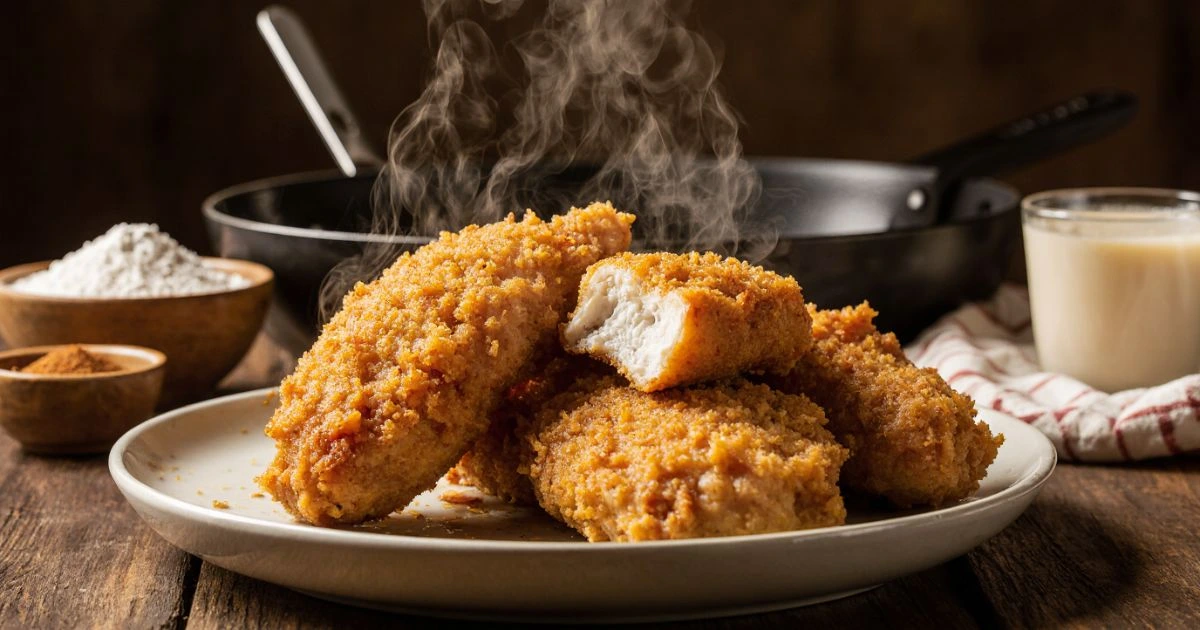
When making crispy fried chicken, the oil temperature is crucial. If you want the perfect temp oil fried chicken, you need to master the right conditions for golden skin and juicy meat.
Ever wondered how to get that golden, crunchy outside while keeping the inside juicy? The answer is to heat the oil to the perfect temperature. Frying at the right temperature makes sure your chicken cooks evenly and safely.
Key Takeaways
- Maintaining the right oil temperature is key for frying chicken.
- The ideal temperature helps achieve a crispy exterior and a juicy interior.
- Using the correct temperature ensures even and safe cooking.
- Temperature control is key to making perfect fried chicken.
- Understanding oil temperature is essential for mastering fried chicken recipes.
The Science Behind Perfect Temp Oil Fried Chicken
Making perfect fried chicken is a science. It’s about how heat changes the chicken when it’s fried. The heat from the oil starts a series of reactions that change its texture, flavor, and safety.
How Heat Transforms Chicken During Frying
Heat is key in changing chicken when it’s fried. It makes the chicken’s moisture evaporate fast. This creates a crispy outside and keeps the juices inside.
This process is called the Maillard reaction. It’s a chemical reaction that makes browned food taste different.
Why Temperature Control Matters
Keeping the temperature right is important when frying chicken. The right temperature cooks the chicken evenly. If the oil is too hot, the outside burns before the inside is cooked.
If it’s too cold, the chicken soaks up too much oil. This makes it greasy.
Effects on Texture and Flavor
The oil’s temperature affects the chicken’s texture and taste. When the oil is just right, the chicken gets a crispy outside and a juicy inside. The Maillard reaction also makes the chicken taste richer and more savory.
Food Safety Considerations
Temperature control is also key for safety. Undercooked chicken can have harmful bacteria like Salmonella. To make the chicken safe, it needs to be fried at a high enough temperature for the right amount of time.
Ideal Temp Oil Fried Chicken: The Magic Range
Frying chicken to perfection needs precision, mainly in oil temperature. Keeping the oil at the right temperature is key for a crispy outside and juicy inside.
The 325°F to 350°F Sweet Spot
For the best temp oil fried chicken, the oil should stay between 325°F and 350°F. This range ensures the chicken cooks well and gets crispy. Frying at this temperature prevents the oil from getting too hot or cold, avoiding bad results.
How Temperature Affects Texture and Doneness
The oil’s temperature greatly impacts fried chicken’s texture and doneness. Wrong oil temperature can cause many problems.
Too Low: Soggy and Greasy Results
Too low oil temperature makes chicken absorb too much oil. This results in soggy and greasy chicken. The low heat can’t form a crust fast enough, letting oil soak in.
Too High: Burnt Exterior and Raw Interior
Too high oil temperature burns the chicken’s outside before it’s fully cooked inside. This leads to a burnt outside and raw inside. It’s not only bad-tasting but also unsafe.
To get perfect fried chicken, keep the oil temperature in the ideal range. This way, you’ll enjoy crispy, juicy, and tasty fried chicken every time.
Choosing the Right Oil for Chicken Frying
To get the crispiest fried chicken, start with the right oil. The oil you pick is key. It affects the taste and texture of your chicken.
High Smoke Point Oils Explained
Oils with a high smoke point are best for frying chicken. They can handle high heat without breaking down. This is important for a crispy outside and juicy inside. A high smoke point means your oil stays stable, giving you consistent results.
Best Oil Options for Crispy Results
For crispy fried chicken, some oils are better than others. They offer great performance and flavor.
Vegetable Oil
Vegetable oil is a top pick for frying. It has a neutral taste and a high smoke point, around 400°F (204°C). It’s great for many fried chicken recipes.
Peanut Oil
Peanut oil is another great choice. It has a high smoke point, about 450°F (232°C), and a nutty flavor. It’s perfect for Southern-style fried chicken.
Canola Oil
Canola oil is a good option for a lighter taste. It has a smoke point of about 400°F (204°C). It’s also healthier because it has less saturated fat.
Oils to Avoid When Frying Chicken
Some oils are not good for frying. Oils like olive oil and coconut oil burn or smoke easily. This can ruin your fried chicken.
Choosing the right oil is key to making great fried chicken. Remember, the details matter. From the oil to the batter, everything affects the final result.
Essential Equipment for Temperature Control
To fry chicken perfectly, you must control the oil’s temperature. The right tools are key. Keeping the temperature just right is essential for a crispy outside and juicy inside.
Thermometers and Temperature Gauges
A good thermometer is a must for oil temperature monitoring. You can choose from digital and analog types.
Digital vs. Analog Options
Digital thermometers give quick and accurate readings. Analog ones are traditional but less precise. For the best results, go with digital thermometers.
Proper Placement for Accurate Readings
Make sure your thermometer is in the right spot in the oil. It should be deep enough not to touch the pot’s bottom for accurate readings.
Best Pots and Fryers for Even Heat Distribution
The pot or fryer you choose affects heat distribution. Some materials are better than others for this.
Cast Iron Advantages
Cast iron pots keep heat well and distribute it evenly. They’re great for frying chicken.
Electric Fryer Benefits
Electric fryers have precise temperature control and are made for frying. They’re easy to use for consistent results.
| Equipment Type | Advantages | Disadvantages |
|---|---|---|
| Cast Iron Pots | Excellent heat retention, even distribution | Heavy, requires maintenance |
| Electric Fryers | Precise temperature control, easy to use | Dependent on electricity, limited portability |
| Digital Thermometers | Accurate, quick readings | Requires batteries, may be sensitive to oil |
Step-by-Step Guide to Preparing Chicken for Frying
Preparing chicken for frying is all about the right steps. To get that perfect crispy fried chicken recipe, start with the best preparation techniques.
Proper Cutting and Portioning
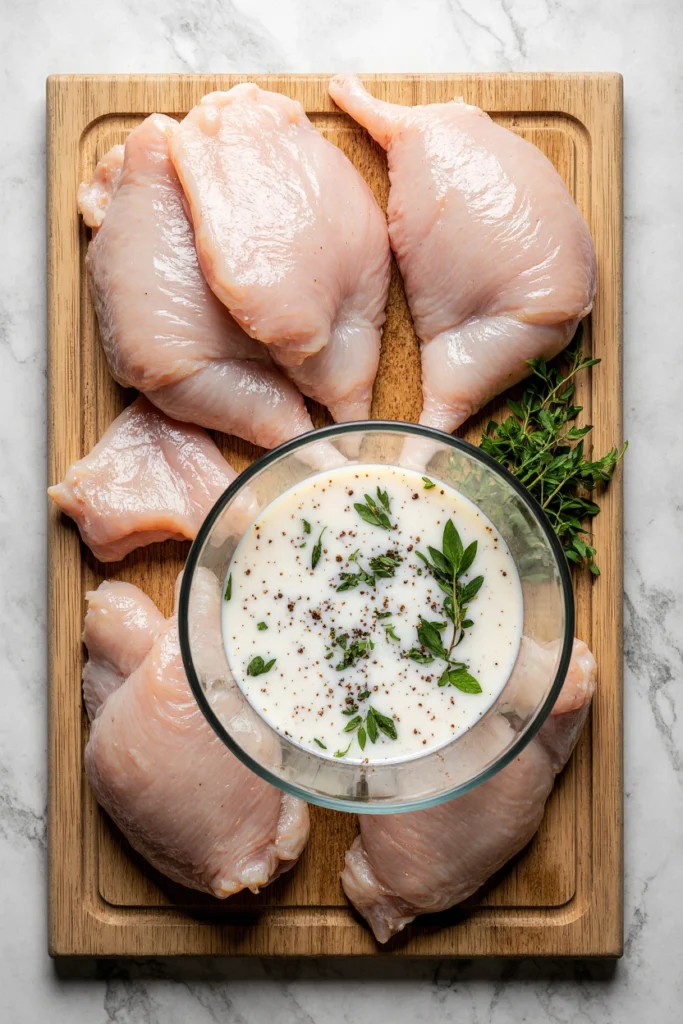
First, cut your chicken into the right sizes. This ensures even cooking and easy bites. Cut it into legs, thighs, wings, and breasts. Remove any extra fat or cartilage for better frying.
Brining and Marinating Techniques
Brining and marinating are key for tasty fried chicken. Soak the chicken in a brine mix of water, salt, and sugar. This tenderizes the meat and adds flavor.
For marinating, use buttermilk, herbs, and spices. Let the chicken marinate for at least 2 hours or overnight. This enhances the taste.
Drying Methods for Crispier Skin
After marinating, dry the chicken well for crispy skin. Air-dry it on a wire rack over a baking sheet. Or, pat it dry with paper towels.
This step removes excess moisture. It helps the coating stick well and fry to a golden crisp.
By following these steps, you’ll make delicious fried chicken that everyone will love. Remember, the secret to a great crispy fried chicken recipe is in the preparation.
How to Make Fried Chicken Batter That Stays Crispy
The secret to amazing fried chicken is a crispy batter. We’ll show you how to make it. It’s not just about what you use, but also how you do it. Let’s explore the best ways to get that perfect crunch.
Classic Flour Dredge Method
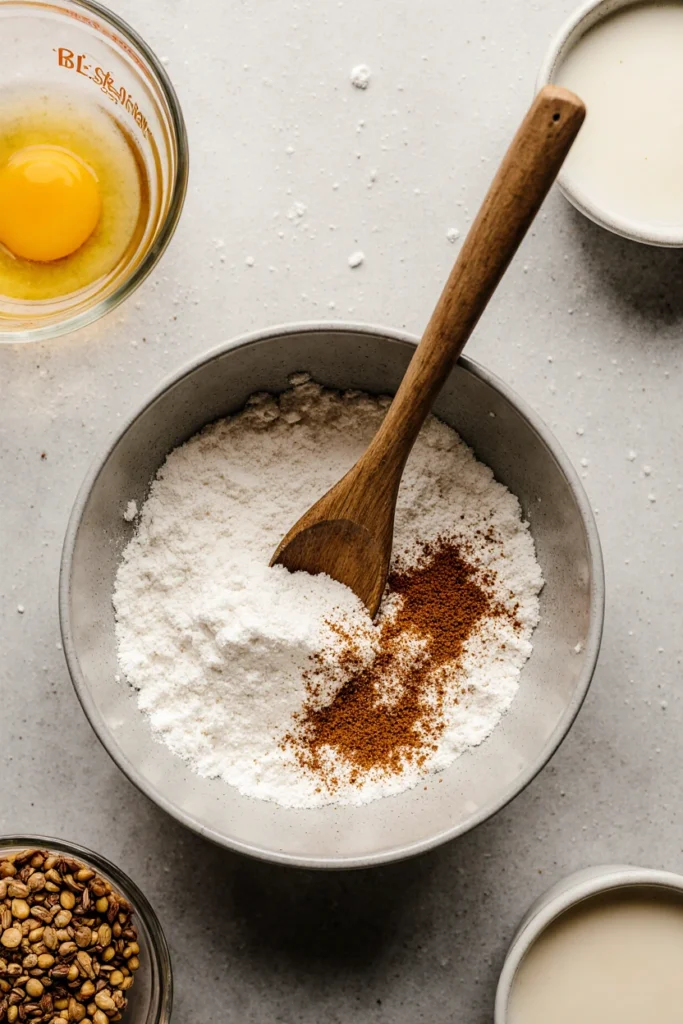
The classic flour dredge method is easy and effective. You coat the chicken in flour, spices, and sometimes cornstarch before frying. It’s perfect for those who want a simple way to make fried chicken.
Buttermilk and Egg Wash Techniques
Buttermilk and an egg wash can make your fried chicken even crisper. Buttermilk tenderizes the chicken, and the egg wash adds a rich, velvety coating. This combo crisps up beautifully when fried.
Double-Dredging for Extra Crunch
Double-dredging coats the chicken in flour, then in wet ingredients like buttermilk or eggs, and flour again. This makes the coating thicker and crunchier. Adding cornstarch to your flour can make it even crunchier.
Adding Cornstarch for Crispiness
Cornstarch helps make the chicken exterior crunchier. Mix it with flour to absorb moisture from the chicken. Use 1 part cornstarch to 2 parts flour for the best results.
Seasoning Your Dredge
Seasoning your flour dredge is key for flavorful fried chicken. Mix your favorite spices and herbs into the flour. Try paprika, garlic powder, and onion powder for a classic taste.
Mastering these techniques will help you make crispy fried chicken that wows everyone. Whether you like the classic flour dredge or prefer double-dredging, the most important thing is to experiment and find what works best for you.
The Frying Process: Maintaining Optimal Temp Oil Fried Chicken
The secret to amazing fried chicken is keeping the oil at the perfect temperature. When you get it just right, your chicken will be crispy and golden. It will be cooked to perfection.
Preheating Your Oil Properly
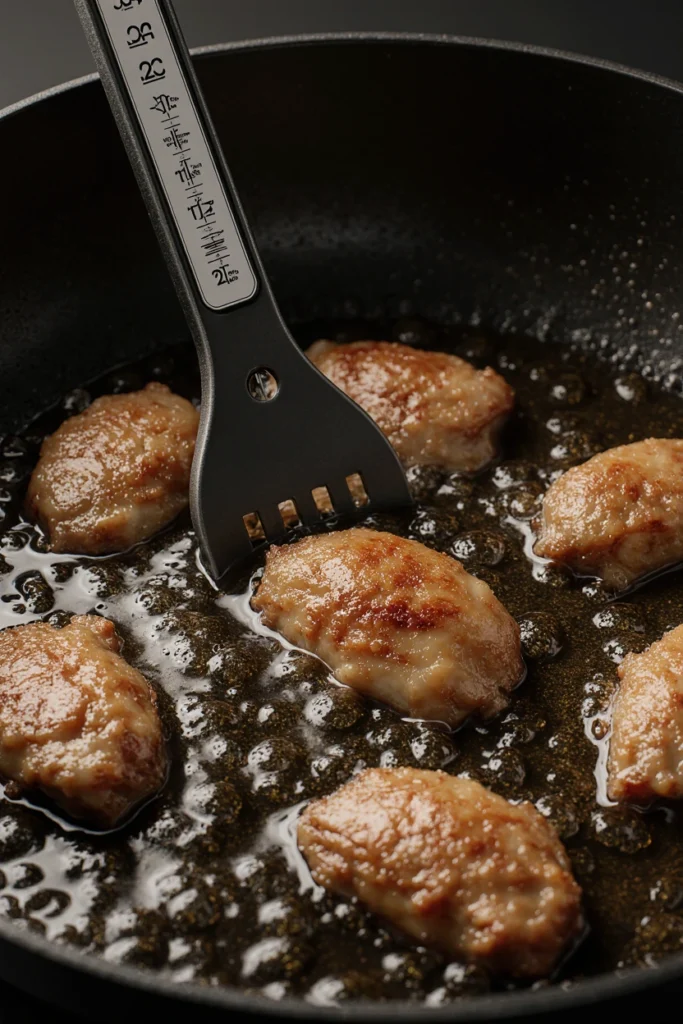
It’s important to preheat your oil to the right temperature before frying. Use a thermometer to check if it’s between 325°F and 350°F. Never leave the oil unattended as it heats up. Also, make sure your pot is big enough to hold the oil without overflowing.
Batch Frying Without Temperature Drops
Frying in batches helps keep the oil temperature steady. Adding too much chicken at once can lower the temperature. This can make your chicken greasy or undercooked. To avoid this, fry in small batches and monitor the oil temperature closely. Here are some tips for batch frying:
- Fry in small batches to prevent overcrowding.
- Use a thermometer to monitor the oil temperature.
- Don’t leave the oil unattended while it’s heating up or while you’re frying.
Monitoring and Adjusting Heat During Cooking
Keeping an eye on the heat is key to maintaining the right oil temperature. You might need to adjust the heat to keep it steady. Here are some visual cues to help you check the temperature:
Visual Cues for Temperature Assessment
- If the oil is shimmering or slightly smoking, it’s ready for frying.
- If the oil is too hot, it will smoke heavily.
- If the oil is not hot enough, it will be slow or not moving.
Recovery Time Between Batches
It’s important to let the oil recover between batches. This means waiting for it to heat up again before frying the next batch. A good rule of thumb is to wait until the oil has reached the desired temperature again before frying the next batch.
Crispy Fried Chicken Recipe Using Perfect Oil Temperature
Making crispy fried chicken is an art that needs precision, mainly in oil temperature. To make your fried chicken stand out, follow this recipe and temperature guidelines.
Ingredients and Preparation
For a classic crispy fried chicken recipe, you’ll need:
- 2 lbs chicken pieces (legs, thighs, wings, and breasts)
- 1 cup buttermilk
- 1 cup all-purpose flour
- 2 teaspoons paprika
- 1 teaspoon garlic powder
- 1 teaspoon onion powder
- Salt and pepper to taste
- Vegetable oil for frying
Marinate the chicken pieces in buttermilk for at least 2 hours. Mix the flour, paprika, garlic powder, onion powder, salt, and pepper in a separate bowl.
Frying Instructions with Temperature Milestones
Heat the vegetable oil in a deep frying pan to 325°F. Remove the chicken from the buttermilk, letting any excess liquid drip off. Dredge the chicken pieces in the flour mixture, shaking off excess.
Fry the chicken in batches until it reaches a golden brown, about 5-7 minutes per batch. Keep the oil temperature between 325°F to 350°F. Use a thermometer to monitor the temperature.
| Chicken Piece | Frying Time | Internal Temperature |
|---|---|---|
| Legs and Thighs | 7-8 minutes | 165°F |
| Wings | 5-6 minutes | 165°F |
| Breasts | 5-7 minutes | 165°F |
Resting and Serving Tips
Once fried, place the chicken on a wire rack to drain excess oil. To keep the chicken crispy, avoid covering it with a lid or foil.
Draining Excess Oil
Use a wire rack or paper towels to drain excess oil from the fried chicken. This step is key in keeping it crispy.
Keeping Chicken Crispy After Frying
Serve the fried chicken immediately. If you need to delay serving, keep the chicken in a warm oven (around 200°F) without covering it. This will help maintain its crispiness.
Troubleshooting Common Temperature-Related Issues
Frying chicken to perfection needs the right temperature and knowing how to fix common problems. Temperature control is key when making fried chicken. Knowing how to solve issues as they happen can make your dish perfect.
Undercooked Interior with Burnt Exterior
If your chicken is undercooked inside and burnt outside, it’s likely because of the wrong oil temperature. Too hot oil burns the outside before the inside is cooked. To fix this, keep your oil at the right temperature (325°F to 350°F) before frying. A thermometer helps keep the oil at the perfect temperature for fried chicken.
Soggy or Greasy Chicken Problems
Soggy or greasy fried chicken usually comes from not draining well or wrong oil temperature. To avoid this, drain excess batter from the chicken before frying. Don’t overcrowd the pot. If the oil is too cold, the chicken will soak up more oil, becoming greasy. Fixing your frying method and keeping the oil at the right temperature will help you get crispy fried chicken.
Recovering from Temperature Fluctuations
Temperature changes during frying can ruin your fried chicken. If the oil temperature drops, adjust the heat right away. Frying in batches helps prevent overcrowding, which can also lower the temperature. Keeping the temperature steady will help you make fried chicken that’s crispy outside and cooked inside.
Regional Variations in Fried Chicken Temperatures and Techniques
Fried chicken recipes vary greatly around the world. From the Southern United States to Korea and Japan, each place has its own way of making it. Temperature and technique are key to capturing local flavors.
Southern-Style vs. Korean Fried Chicken Methods
The Southern United States and Korea are famous for their fried chicken. In the South, chicken is often marinated or brined before being fried. This is done at temperatures between 325°F to 350°F.
Nashville Hot Chicken Temperature Specifics
Nashville hot chicken is known for its spicy flavor and crispy outside. It’s fried at about 325°F. Some recipes suggest a slightly lower temperature to prevent the spices from burning.
“The secret to great fried chicken is not just about the seasoning; it’s about the technique and maintaining the right oil temperature.” –
Chef John, Southern Cuisine Expert
Double-Frying Techniques in Korean Cuisine
Korean fried chicken, or “Kfried chicken,” uses a double-frying method. The first fry is at 300°F to cook the chicken through. Then, a second fry at 375°F crisps the outside.
International Approaches to Chicken Frying Temperatures
Other parts of the world also have their own fried chicken styles. Japanese and Caribbean cuisines, for example, have their own methods and temperature preferences.
Japanese Karaage Method
Japanese karaage is marinated in soy sauce, sake, and sugar before frying. It’s fried at about 350°F. The goal is to keep the chicken juicy.
Caribbean Fried Chicken Styles
In the Caribbean, fried chicken is seasoned with local spices and herbs. The frying temperature is usually between 325°F to 350°F. Some recipes add a light batter for extra crispiness.
| Cuisine | Frying Temperature | Technique |
|---|---|---|
| Southern (Nashville Hot) | 325°F | Single fry with seasoned flour |
| Korean | 300°F (first fry), 375°F (second fry) | Double-frying technique |
| Japanese (Karaage) | 350°F | Marinated in soy sauce, sake, and sugar |
| Caribbean | 325°F to 350°F | Seasoned with local spices and herbs |
Exploring these regional variations can help you create your own fried chicken recipes. Whether you’re making a crispy fried chicken recipe or learning how to make fried chicken batter that stays crispy, knowing about temperature and technique is essential.
Conclusion
Keeping the right temperature for frying chicken is key to getting it crispy and golden. By learning about the science behind it, you can improve your cooking. This makes your fried chicken stand out.
To make great fried chicken, pick the right oil and prepare your chicken well. Also, keep an eye on the temperature while frying. Following these steps will help you make fried chicken that everyone will love.
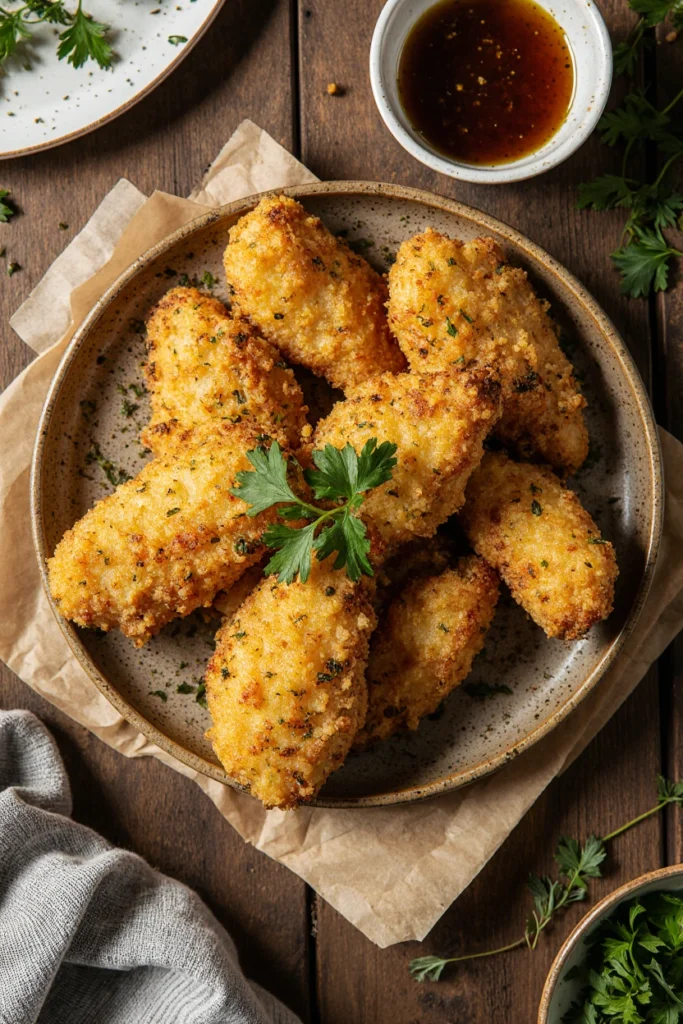
Now that you know how to fry chicken perfectly, it’s time to try new things. Experiment with different seasonings and cooking methods. This will help you create your own special fried chicken recipe.
FAQ
What is the ideal oil temperature for frying chicken?
The best oil temperature for frying chicken is between 325°F to 350°F. This ensures a crispy outside and a juicy inside.
How do I achieve crispy fried chicken?
For crispy fried chicken, use the right oil and keep the temperature just right. Don’t overcrowd the pot. Double-dredging or adding cornstarch to your batter can also help.
What type of oil is best for frying chicken?
Use high smoke point oils like vegetable, peanut, or canola oil. They handle high heat well without smoking or breaking down.
How do I make fried chicken batter that stays crispy?
Mix flour, cornstarch, and spices for a crispy batter. Adding buttermilk or egg wash helps the batter stick to the chicken.
What are some common issues with frying chicken and how can I troubleshoot them?
Issues like undercooked inside, burnt outside, or soggy chicken can happen. Adjust your oil temperature, cooking time, or batter to fix these problems.
Can I reuse oil for frying chicken?
Yes, you can reuse oil for frying chicken. Just strain it well and store it in a cool, dark place. But for the best taste, use fresh oil.
How do I know when the oil is at the right temperature?
Use a thermometer to check the oil’s temperature. Or, drop a small piece of batter into the oil. If it sizzles and rises, the oil is ready.